


Apple Cider Vinegar: A Complete Nutritional Guide
| Name | Amount | Unit |
|---|---|---|
| Energy | 20 | kcal |
| Protein | 0 | g |
| Total lipid (fat) | 0 | g |
| Carbohydrate, by difference | 0 | g |
| Sodium, Na | 0 | mg |
| Fatty acids, total saturated | 0 | g |
| Fatty acids, total trans | 0 | g |
| Cholesterol | 0 | mg |
Apple cider vinegar has become a household staple, praised for both its culinary versatility and potential health benefits. But what exactly does this tangy liquid contain from a nutritional standpoint? Understanding the nutritional composition of apple cider vinegar can help you make informed decisions about incorporating it into your diet.
Nutritional Profile
- 0 grams of protein
- 0 grams of fat
- 0 grams of carbohydrates
This minimal macronutrient content means that apple cider vinegar contributes virtually no protein, fat, or carbohydrates to your daily intake. The 20 calories present come primarily from trace amounts of organic acids and compounds formed during the fermentation process.
Sodium and Cholesterol Content
For individuals monitoring their sodium intake or managing cardiovascular health, apple cider vinegar presents an attractive option. It contains 0 milligrams of sodium, making it suitable for low-sodium diets and those managing blood pressure concerns.
Additionally, apple cider vinegar is completely free of cholesterol and contains no saturated or trans fats, aligning well with heart-healthy dietary patterns.
What Makes Apple Cider Vinegar Unique
While the nutritional facts might suggest that apple cider vinegar offers little in terms of traditional nutrients, its value extends beyond basic macronutrients. The fermentation process that transforms apple juice into vinegar creates acetic acid, the primary active compound responsible for its distinctive sour taste and potential health properties.
Apple cider vinegar also contains trace amounts of vitamins, minerals, and beneficial plant compounds that don’t appear in significant quantities in standard nutritional databases but may contribute to its overall effects when consumed as part of a balanced diet.
Typical Serving Sizes
It’s important to note that the nutritional data provided is for 100 grams of apple cider vinegar. However, most people consume much smaller amounts. A typical serving is about 1-2 tablespoons (15-30 ml), which would contain approximately 3-6 calories. This minimal caloric contribution makes it easy to incorporate into various recipes and beverages without significantly impacting your daily calorie count.
Using Apple Cider Vinegar in Your Diet
The near-zero macronutrient profile of apple cider vinegar makes it an excellent addition to salad dressings, marinades, and various culinary applications. It can add flavor and acidity to dishes without adding meaningful amounts of calories, fat, or sodium. Many people also dilute small amounts in water as a beverage, though it’s advisable to dilute it properly to protect tooth enamel from its acidity.
Conclusion
Apple cider vinegar’s nutritional profile is characterized by its minimal calorie content and complete absence of protein, fat, carbohydrates, sodium, and cholesterol. While it may not provide substantial traditional nutrients, its low-calorie nature and the presence of acetic acid and other fermentation-derived compounds make it a popular choice for those seeking to add flavor to their meals while maintaining dietary goals.
As with any food product, the nutritional information provided by the USDA serves as a reliable reference point for understanding what apple cider vinegar contributes to your overall diet. Whether you’re using it as a cooking ingredient or exploring its potential benefits, knowing its nutritional composition helps you make informed choices about how it fits into your eating pattern.
The nutrition facts are provided by the United States Department of Agriculture for Apple Cider Vinegar (100 g). www.usda.gov
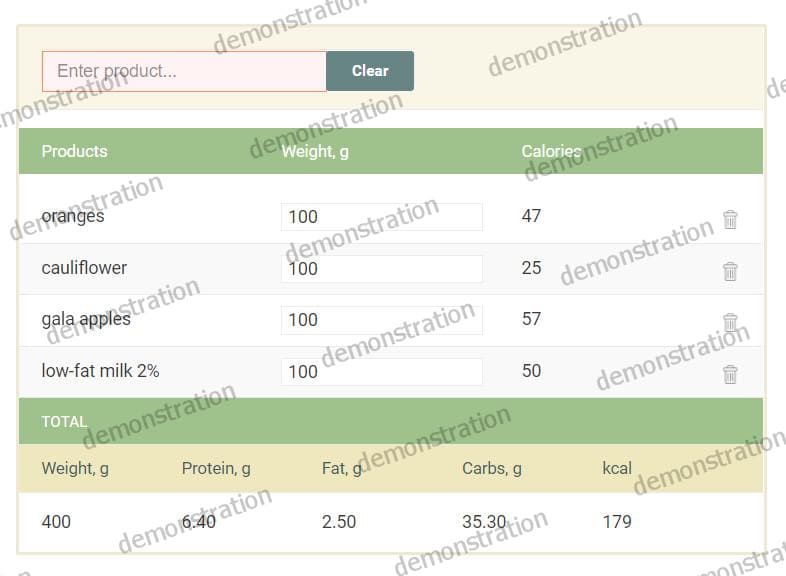
Use the «Food Nutrition Calculator» to find the calorie-count of over 14,000 different meals and foods quickly and easily.
Food Calorie Calculator
Screenshot
Use the weight converter to convert pounds to kilograms, ounces to grams and other metric to imperial weight conversions. Enter the weight in one of the text boxes and press the Convert button:
You can use the Calorie Calculator:
Screenshot
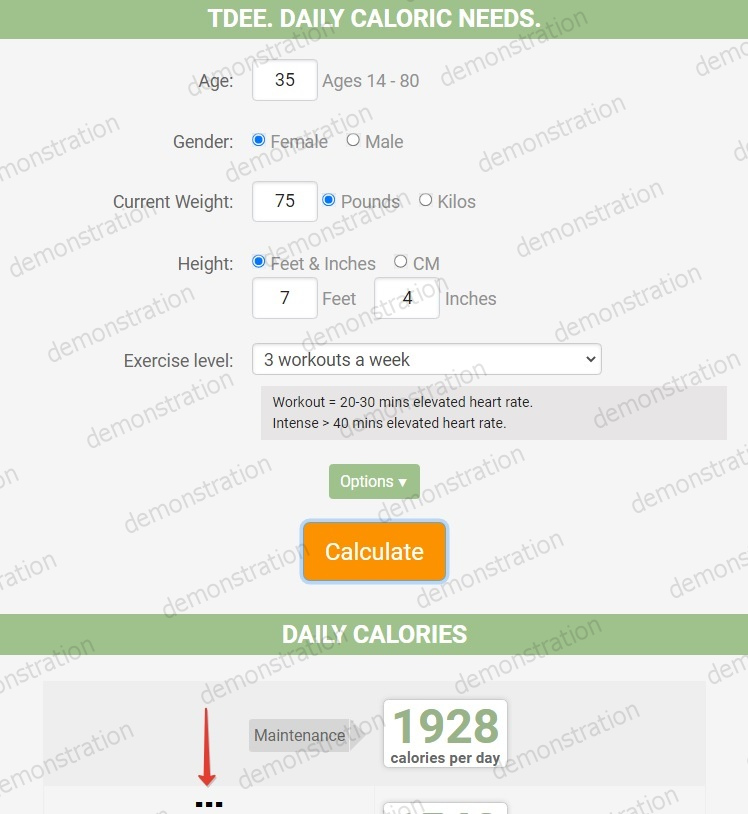
The Calorie Calculator for Weight Loss can help you determine how many calories you need to consume each day.
