


Avocado Nutrition Facts: Complete Nutritional Breakdown Per 100g
Avocado has earned its reputation as a nutritional powerhouse, and the data from the United States Department of Agriculture confirms why this creamy fruit deserves a place in a healthy diet. With 160 calories per 100 grams, avocado offers a unique nutritional profile that sets it apart from most other fruits.
| Name | Amount | Unit |
|---|---|---|
| Water | 73.2 | g |
| Energy | 160 | kcal |
| Protein | 2 | g |
| Total lipid (fat) | 14.7 | g |
| Carbohydrate, by difference | 8.53 | g |
| Fiber, total dietary | 6.7 | g |
| Sugars, total including NLEA | 0.66 | g |
| Calcium, Ca | 12 | mg |
| Iron, Fe | 0.55 | mg |
| Magnesium, Mg | 29 | mg |
| Phosphorus, P | 52 | mg |
| Potassium, K | 485 | mg |
| Sodium, Na | 7 | mg |
| Zinc, Zn | 0.64 | mg |
| Copper, Cu | 0.19 | mg |
| Selenium, Se | 0.4 | µg |
| Vitamin C, total ascorbic acid | 10 | mg |
| Thiamin | 0.067 | mg |
| Riboflavin | 0.13 | mg |
| Niacin | 1.74 | mg |
| Vitamin B-6 | 0.257 | mg |
| Folate, total | 81 | µg |
| Folic acid | 0 | µg |
| Folate, food | 81 | µg |
| Folate, DFE | 81 | µg |
| Choline, total | 14.2 | mg |
| Vitamin B-12 | 0 | µg |
| Vitamin B-12, added | 0 | µg |
| Vitamin A, RAE | 7 | µg |
| Retinol | 0 | µg |
| Carotene, beta | 62 | µg |
| Carotene, alpha | 24 | µg |
| Cryptoxanthin, beta | 28 | µg |
| Lycopene | 0 | µg |
| Lutein + zeaxanthin | 271 | µg |
| Vitamin E (alpha-tocopherol) | 2.07 | mg |
| Vitamin E, added | 0 | mg |
| Vitamin D (D2 + D3) | 0 | µg |
| Vitamin K (phylloquinone) | 21 | µg |
| Fatty acids, total saturated | 2.13 | g |
| SFA 4:0 | 0 | g |
| SFA 6:0 | 0 | g |
| SFA 8:0 | 0.001 | g |
| SFA 10:0 | 0 | g |
| SFA 12:0 | 0 | g |
| SFA 14:0 | 0 | g |
| SFA 16:0 | 2.08 | g |
| SFA 18:0 | 0.049 | g |
| Fatty acids, total monounsaturated | 9.8 | g |
| MUFA 16:1 | 0.698 | g |
| MUFA 18:1 | 9.07 | g |
| MUFA 20:1 | 0.025 | g |
| MUFA 22:1 | 0 | g |
| Fatty acids, total polyunsaturated | 1.82 | g |
| PUFA 18:2 | 1.67 | g |
| PUFA 18:3 | 0.125 | g |
| PUFA 18:4 | 0 | g |
| PUFA 20:4 | 0 | g |
| PUFA 2:5 n-3 (EPA) | 0 | g |
| PUFA 22:5 n-3 (DPA) | 0 | g |
| PUFA 22:6 n-3 (DHA) | 0 | g |
| Cholesterol | 0 | mg |
| Alcohol, ethyl | 0 | g |
| Caffeine | 0 | mg |
| Theobromine | 0 | mg |
Macronutrient Composition
The most distinctive feature of avocado is its high fat content. At 14.7 grams per 100g serving, avocado contains predominantly heart-healthy monounsaturated fats (9.8g), the same type found in olive oil. These beneficial fats, particularly oleic acid, support cardiovascular health and help with nutrient absorption. The fruit contains only 2.13 grams of saturated fat and 1.82 grams of polyunsaturated fats, with zero cholesterol.
Despite being relatively low in protein at 2 grams per 100g, avocado provides a respectable 8.53 grams of carbohydrates. What makes this particularly valuable is the high fiber content of 6.7 grams, meaning nearly 80% of the carbohydrates come from dietary fiber. With just 0.66 grams of naturally occurring sugars, avocado is an excellent choice for those monitoring blood sugar levels.
Vitamins and Antioxidants
Avocado delivers an impressive array of vitamins. The fruit provides 10mg of vitamin C, supporting immune function and collagen production. It’s particularly rich in folate, offering 81 micrograms per 100g—about 20% of the daily recommended intake. This makes avocado especially valuable for pregnant women and those looking to support cellular health.
The B-vitamin complex is well-represented with thiamin (0.067mg), riboflavin (0.13mg), niacin (1.74mg), and vitamin B-6 (0.257mg). These vitamins play crucial roles in energy metabolism and nervous system function.
Fat-soluble vitamins are also present, with 2.07mg of vitamin E (alpha-tocopherol) providing antioxidant protection, and 21 micrograms of vitamin K supporting bone health and proper blood clotting. The carotenoid profile includes 62 micrograms of beta-carotene, 24 micrograms of alpha-carotene, and notably high levels of lutein and zeaxanthin (271 micrograms combined), which support eye health.
Essential Minerals
Avocado stands out as an exceptional source of potassium, delivering 485mg per 100g—significantly more than a banana. This mineral is essential for heart health, blood pressure regulation, and muscle function. The fruit also provides meaningful amounts of magnesium (29mg) and phosphorus (52mg), which work together to support bone health and energy production.
Other notable minerals include iron (0.55mg), zinc (0.64mg), copper (0.19mg), and calcium (12mg). The sodium content is remarkably low at just 7mg, making avocado an excellent choice for those managing sodium intake.
Water Content and Nutrient Density
At 73.2% water content, avocado maintains hydration while delivering concentrated nutrition. The combination of healthy fats, fiber, vitamins, and minerals makes every calorie count, providing sustained energy without blood sugar spikes.
The Bottom Line
Raw avocado offers a nutritional profile that few foods can match. Its combination of heart-healthy monounsaturated fats, high fiber content, abundance of potassium, and diverse micronutrient profile makes it more than just a trendy food—it’s a genuinely nutritious choice. Whether spread on toast, blended into smoothies, or enjoyed in salads, avocado contributes valuable nutrients that support overall health and wellness.
Nutrition data provided by the United States Department of Agriculture (USDA).
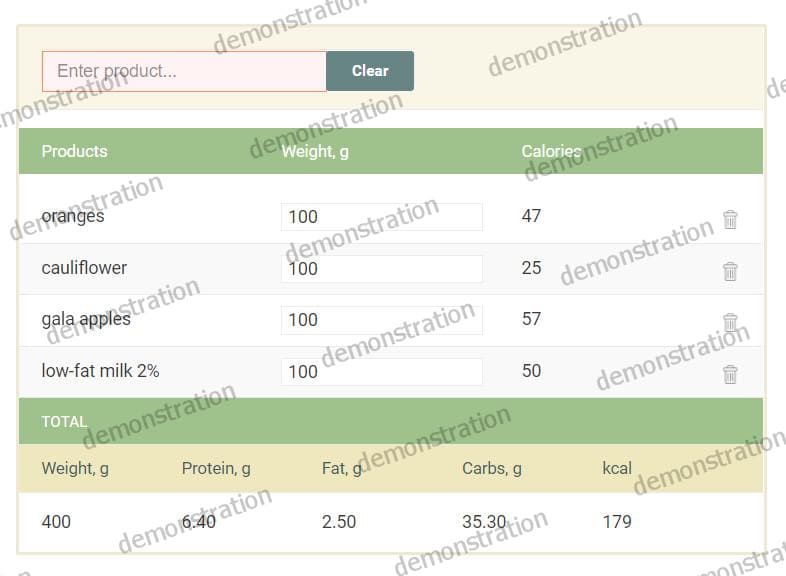
Use the «Food Nutrition Calculator» to find the calorie-count of over 14,000 different meals and foods quickly and easily.
Food Calorie Calculator
Screenshot
Use the weight converter to convert pounds to kilograms, ounces to grams and other metric to imperial weight conversions. Enter the weight in one of the text boxes and press the Convert button:
You can use the Calorie Calculator:
Screenshot
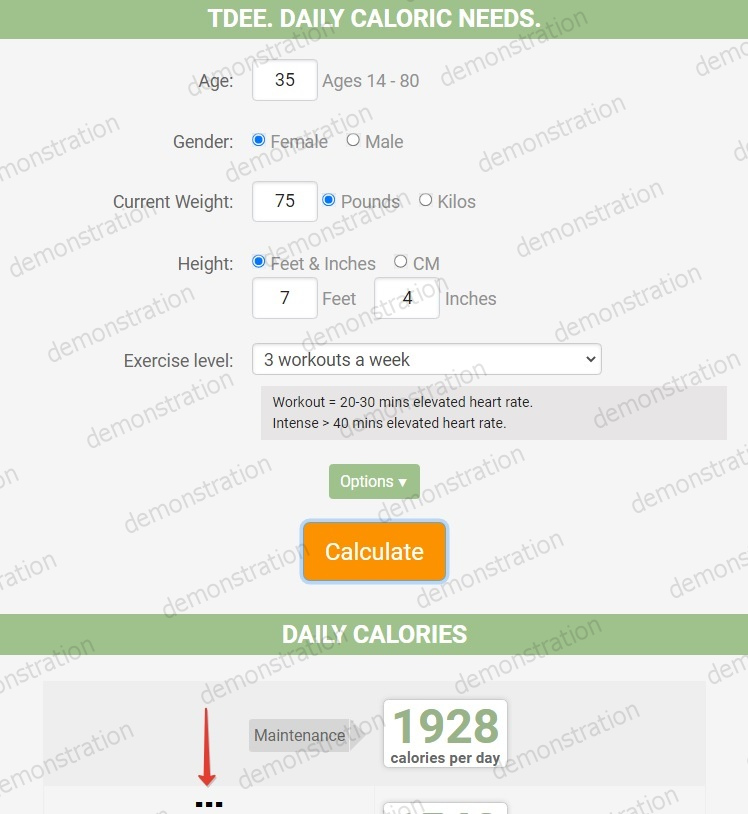
The Calorie Calculator for Weight Loss can help you determine how many calories you need to consume each day.
