


Beef Brisket (Whole, Lean Only) Nutrition Facts
Protein
Fats
Carbs
kcal
Protein
Fats
Carbs
kcal
Beef brisket is a flavorful cut of meat that comes from the breast section of the cow. When selecting lean-only brisket with visible fat trimmed away, you’re choosing a protein-rich option that can fit into various dietary approaches. Understanding the nutritional profile of this cut helps you make informed decisions about portion sizes and meal planning.
| Name | Amount | Unit |
|---|---|---|
| Water | 70.1 | g |
| Energy | 163 | kcal |
| Energy | 683 | kJ |
| Protein | 20 | g |
| Total lipid (fat) | 9.23 | g |
| Ash | 0.9 | g |
| Carbohydrate, by difference | 0 | g |
| Fiber, total dietary | 0 | g |
| Sugars, total including NLEA | 0 | g |
| Calcium, Ca | 5 | mg |
| Iron, Fe | 1.94 | mg |
| Magnesium, Mg | 20 | mg |
| Phosphorus, P | 179 | mg |
| Potassium, K | 306 | mg |
| Sodium, Na | 49 | mg |
| Zinc, Zn | 2.51 | mg |
| Copper, Cu | 0.095 | mg |
| Manganese, Mn | 0.01 | mg |
| Selenium, Se | 2.6 | µg |
| Vitamin C, total ascorbic acid | 0 | mg |
| Thiamin | 0.041 | mg |
| Riboflavin | 0.05 | mg |
| Niacin | 4.09 | mg |
| Pantothenic acid | 0.256 | mg |
| Vitamin B-6 | 0.303 | mg |
| Vitamin B-12 | 1.31 | µg |
| Vitamin B-12, added | 0 | µg |
| Vitamin A, RAE | 8 | µg |
| Retinol | 8 | µg |
| Carotene, beta | 0 | µg |
| Carotene, alpha | 0 | µg |
| Cryptoxanthin, beta | 0 | µg |
| Vitamin A, IU | 26 | IU |
| Lycopene | 0 | µg |
| Lutein + zeaxanthin | 0 | µg |
| Vitamin E (alpha-tocopherol) | 0.44 | mg |
| Vitamin E, added | 0 | mg |
| Vitamin D (D2 + D3), International Units | 5 | IU |
| Vitamin D (D2 + D3) | 0.1 | µg |
| Vitamin D3 (cholecalciferol) | 0.1 | µg |
| Fatty acids, total saturated | 3.68 | g |
| SFA 4:0 | 0 | g |
| SFA 6:0 | 0 | g |
| SFA 8:0 | 0 | g |
| SFA 10:0 | 0.004 | g |
| SFA 12:0 | 0.006 | g |
| SFA 14:0 | 0.223 | g |
| SFA 16:0 | 1.92 | g |
| SFA 17:0 | 0.127 | g |
| SFA 18:0 | 1.39 | g |
| SFA 20:0 | 0.01 | g |
| SFA 22:0 | 0.004 | g |
| SFA 24:0 | 0.001 | g |
| Fatty acids, total monounsaturated | 3.77 | g |
| MUFA 14:1 | 0.061 | g |
| MUFA 15:1 | 0.003 | g |
| MUFA 16:1 | 0.342 | g |
| MUFA 17:1 | 0 | g |
| MUFA 18:1 | 3.35 | g |
| MUFA 20:1 | 0.013 | g |
| MUFA 22:1 | 0 | g |
| MUFA 24:1 c | 0.002 | g |
| Fatty acids, total polyunsaturated | 0.359 | g |
| PUFA 18:2 | 0.185 | g |
| PUFA 18:3 | 0.081 | g |
| PUFA 18:4 | 0 | g |
| PUFA 20:2 n-6 c,c | 0.002 | g |
| PUFA 20:3 | 0.01 | g |
| PUFA 20:4 | 0.03 | g |
| PUFA 20:5 n-3 (EPA) | 0.016 | g |
| PUFA 22:5 n-3 (DPA) | 0.028 | g |
| PUFA 22:6 n-3 (DHA) | 0.002 | g |
| Fatty acids, total trans | 0.251 | g |
| Cholesterol | 55 | mg |
| Tryptophan | 0.21 | g |
| Threonine | 0.726 | g |
| Isoleucine | 0.834 | g |
| Leucine | 1.51 | g |
| Lysine | 1.59 | g |
| Methionine | 0.659 | g |
| Phenylalanine | 0.78 | g |
| Tyrosine | 0.675 | g |
| Valine | 0.885 | g |
| Arginine | 1.32 | g |
| Histidine | 0.722 | g |
| Alanine | 1.04 | g |
| Glutamic acid | 2.8 | g |
| Glycine | 1.09 | g |
| Proline | 0.644 | g |
| Serine | 0.705 | g |
Nutritional Breakdown by Serving Size
Per 100 Grams (3.5 oz)
- Calories: 155 kcal
- Protein: 20.72 g
- Fats: 7.37 g
- Carbohydrates: 0.0 g
Per 1 Ounce (28g)
- Calories: 44 kcal
- Protein: 5.87 g
- Fats: 2.09 g
- Carbohydrates: 0.0 g
Per 1 Pound (454g)
- Calories: 703 kcal
- Protein: 93.99 g
- Fats: 33.43 g
- Carbohydrates: 0.0 g
Protein Powerhouse
Lean beef brisket stands out as an excellent source of high-quality protein, providing over 20 grams per 100-gram serving. This complete protein contains all nine essential amino acids your body needs for muscle maintenance, tissue repair, and immune function. For those following higher-protein diets or looking to increase their protein intake, brisket offers a satisfying option that keeps you feeling full longer.
Fat Content and Composition
With 7.37 grams of fat per 100 grams, lean brisket contains a moderate amount of fat when compared to fattier beef cuts. This fat includes both saturated and unsaturated fatty acids. The lean-only designation means visible fat has been trimmed, significantly reducing the total fat content compared to untrimmed brisket. This makes it a more suitable choice for those monitoring their fat intake while still enjoying the rich flavor that beef provides.
Zero Carbohydrates
Beef brisket contains no carbohydrates, making it compatible with low-carb, ketogenic, and carnivore dietary approaches. This zero-carb profile means brisket won’t impact blood sugar levels, which can be beneficial for those managing diabetes or insulin sensitivity. However, this also means you’ll want to pair brisket with carbohydrate-containing sides if you’re looking for a balanced macronutrient meal.
Micronutrients and Additional Benefits
Beyond the macronutrients, beef brisket provides important micronutrients including iron, zinc, selenium, and B vitamins (particularly B12, B6, and niacin). Iron from beef is in the heme form, which is more readily absorbed by the body than the non-heme iron found in plant sources. Zinc supports immune function and wound healing, while B vitamins play crucial roles in energy metabolism and nervous system health.
Calorie Considerations
At 155 calories per 100 grams, lean brisket provides a reasonable caloric density. A typical 4-ounce (113g) serving would contain approximately 175 calories, making it easy to incorporate into calorie-controlled meal plans. The combination of protein and fat helps promote satiety, potentially reducing overall calorie consumption throughout the day.
Cooking Methods and Nutritional Impact
The nutritional values presented reflect raw, lean brisket. Cooking methods can affect the final nutritional content. Dry-heat methods like roasting or grilling may cause some fat to render out, potentially reducing the fat content slightly. Braising or slow-cooking, popular methods for brisket, typically retain more nutrients and moisture. Avoid adding excessive fats, sugary sauces, or breading if you want to maintain the lean nutritional profile.
Portion Control Recommendations
A standard serving size of beef is typically 3-4 ounces (85-113g) of cooked meat, which equals roughly 4-5 ounces raw due to cooking losses. This provides approximately 20-25 grams of protein and 130-175 calories. Athletes or those with higher protein needs might consume larger portions, while those watching calorie intake may opt for smaller servings paired with plenty of vegetables.
Comparing Brisket to Other Beef Cuts
When compared to other lean beef cuts, brisket sits in the middle range for both calories and fat content. It contains more fat than eye of round or sirloin tip but less than ribeye or short ribs. The protein content remains relatively consistent across different beef cuts. Brisket’s unique texture and flavor profile make it particularly suitable for slow cooking methods that might be less ideal for leaner cuts.
Health Considerations
Lean beef brisket can be part of a healthy diet when consumed in appropriate portions as part of varied meals. The high protein content supports muscle health, especially important for older adults and active individuals. However, red meat consumption should be balanced with other protein sources like poultry, fish, legumes, and plant-based options. Current dietary guidelines suggest limiting red meat intake and choosing lean cuts when you do consume beef.
Storage and Preparation Tips
To maintain nutritional quality, store raw brisket in the refrigerator at 40°F or below and use within 3-5 days, or freeze for longer storage. When preparing, trim any remaining visible fat if you want to reduce fat content further. Marinating can add flavor without significantly impacting nutritional values, though watch for added sugars in commercial marinades. Allowing the meat to rest after cooking helps retain juices and nutrients.
Who Benefits Most from Lean Brisket?
Lean beef brisket works well for individuals focused on protein intake, including athletes, bodybuilders, and those recovering from illness or injury. It suits low-carb and ketogenic dieters due to its zero carbohydrate content. People with iron-deficiency anemia may benefit from the highly bioavailable heme iron. However, those with specific health conditions like gout or kidney disease should consult healthcare providers about appropriate red meat consumption levels.
Final Thoughts
Beef brisket (whole, lean only) offers a nutritious option for meat lovers seeking quality protein with moderate fat content. Its zero-carb profile, substantial protein content, and rich micronutrient composition make it a valuable addition to many dietary patterns when consumed mindfully. Understanding these nutrition facts empowers you to incorporate brisket into your meal planning while maintaining your health and wellness goals.
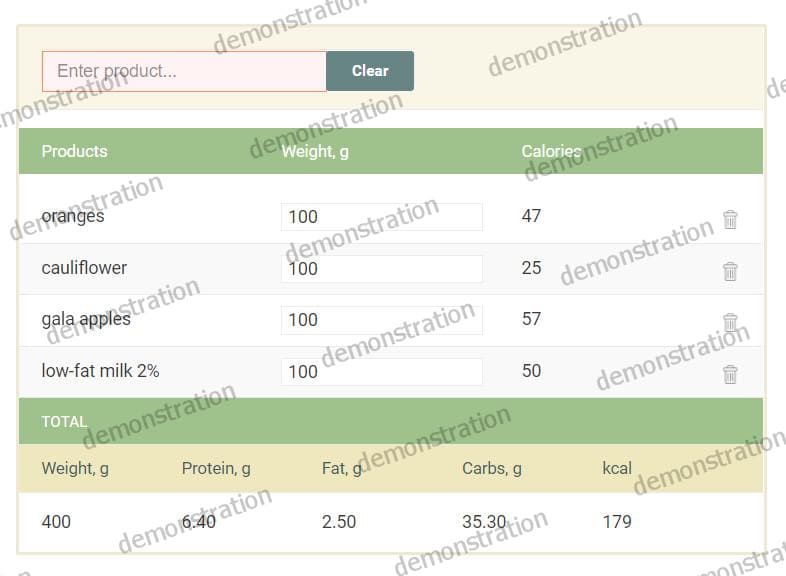
Use the «Food Nutrition Calculator» to find the calorie-count of over 14,000 different meals and foods quickly and easily.
Food Calorie Calculator
Screenshot
Use the weight converter to convert pounds to kilograms, ounces to grams and other metric to imperial weight conversions. Enter the weight in one of the text boxes and press the Convert button:
You can use the Calorie Calculator:
Screenshot
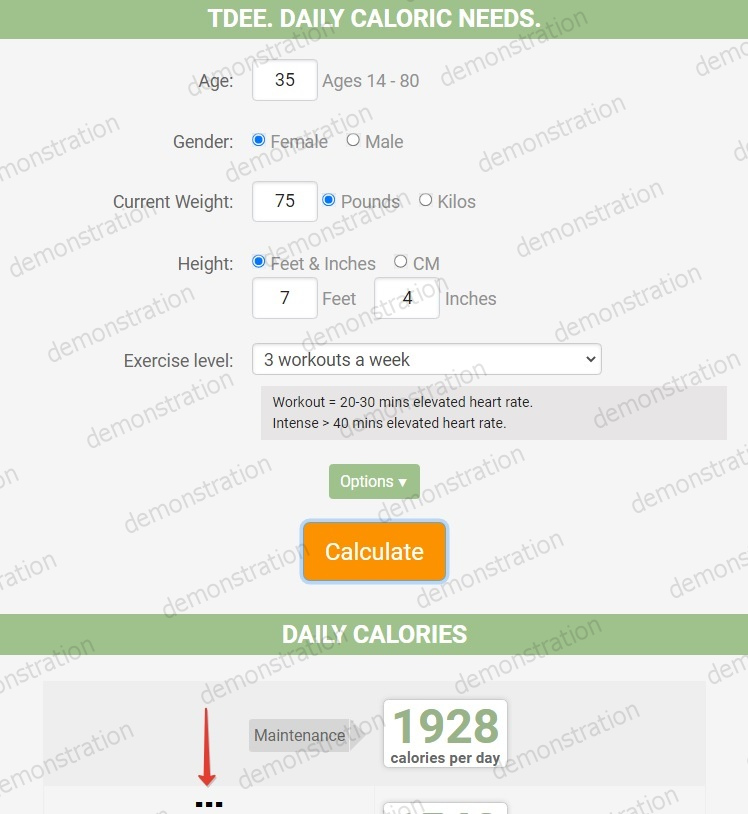
The Calorie Calculator for Weight Loss can help you determine how many calories you need to consume each day.
