


Beef Tails, Raw: Complete Nutrition Facts and Health Benefits
Beef tails, commonly known as oxtails, are a nutrient-dense cut of meat prized for their rich flavor and impressive nutritional profile. This comprehensive guide explores the complete nutritional breakdown of raw beef tails, their health benefits, and how they compare to other beef cuts.
Macronutrient Profile (Per 100g)
The macronutrient composition of raw beef tails demonstrates a balanced distribution between protein and fat, with zero carbohydrates:
| Name | Amount | Unit |
|---|---|---|
| Energy | 250 | kcal |
| Protein | 18.8 | g |
| Total lipid (fat) | 18.8 | g |
| Carbohydrate, by difference | 0 | g |
| Fiber, total dietary | 0 | g |
| Sugars, total including NLEA | 0 | g |
| Calcium, Ca | 0 | mg |
| Iron, Fe | 1.61 | mg |
| Potassium, K | 232 | mg |
| Sodium, Na | 58 | mg |
| Vitamin C, total ascorbic acid | 0 | mg |
| Vitamin A, IU | 0 | IU |
| Vitamin D (D2 + D3), International Units | 0 | IU |
| Fatty acids, total saturated | 7.14 | g |
| Fatty acids, total monounsaturated | 0 | g |
| Fatty acids, total polyunsaturated | 0 | g |
| Fatty acids, total trans | 0 | g |
| Cholesterol | 67 | mg |
| Vitamin E (label entry primarily) | 0 | IU |
Health Benefits of Beef Tails
1. Exceptional Source of Vitamin B12
Beef tails stand out as an outstanding source of vitamin B12, providing more than the daily requirement in a standard serving. This makes them particularly valuable for preventing B12 deficiency, supporting neurological health, and maintaining healthy red blood cell formation.
2. High-Quality Protein for Muscle Health
The complete protein profile supports muscle growth, maintenance, and repair. This makes beef tails an excellent choice for athletes, active individuals, and those looking to maintain lean muscle mass.
3. Rich in Immune-Supporting Minerals
The exceptional zinc and selenium content strengthens immune system function, supports antioxidant defenses, and promotes optimal thyroid function.
4. Collagen and Gelatin Benefits
When cooked, beef tails release collagen and gelatin, which support joint health, skin elasticity, and digestive function. The bone and connective tissue provide glycosaminoglycans that may support joint comfort.
5. Zero-Carbohydrate Option
With absolutely no carbohydrates, beef tails fit perfectly into low-carb, ketogenic, and carnivore dietary approaches while maintaining blood sugar stability.
Comparison to Other Beef Cuts
Compared to leaner beef cuts like sirloin or tenderloin, raw beef tails contain more fat and slightly fewer calories per 100 grams when you account for the bone content. However, they provide comparable or superior levels of many micronutrients, particularly B vitamins and minerals like zinc and selenium.
The higher fat content contributes to the rich flavor and tender texture that develop during slow cooking methods, making beef tails ideal for braising, stewing, and soup preparation.
Dietary Considerations
For Low-Carb and Keto Diets
With zero carbohydrates and a favorable fat-to-protein ratio, raw beef tails align perfectly with ketogenic and low-carbohydrate dietary patterns.
For Paleo and Whole-Foods Diets
As an unprocessed, nutrient-dense animal protein source, beef tails fit well within paleo and whole-foods dietary frameworks.
For High-Protein Diets
The 25.9g of protein per 100g serving makes beef tails a valuable addition to high-protein meal plans focused on muscle building or maintenance.
Sodium Content
Individuals monitoring sodium intake should note the 357mg sodium content per 100g serving, particularly when preparing recipes that include additional salt.
Cooking Methods and Nutrient Retention
Raw beef tails are typically slow-cooked to break down the collagen and connective tissue. Common preparation methods include:
- Braising: Retains most nutrients while creating tender, flavorful meat
- Stewing: Nutrients transfer into the cooking liquid, creating nutrient-rich broths
- Pressure Cooking: Reduces cooking time while maintaining nutritional value
- Slow Cooking: Maximizes collagen breakdown for gelatin-rich dishes
When cooked, the nutritional profile concentrates as moisture is lost, resulting in approximately 251 calories per 100g of cooked beef tails with 30.8g protein and 13.2g fat.
Storage and Food Safety
Raw beef tails should be stored at 40°F (4°C) or below and used within 3-5 days of purchase. For longer storage, freeze at 0°F (-18°C) for up to 6-12 months. Always cook to an internal temperature of at least 145°F (63°C) for safety, though braising typically brings the temperature well above this threshold.
Conclusion
Raw beef tails offer an impressive nutritional profile characterized by high-quality protein, essential B vitamins, and important minerals like zinc and selenium. With zero carbohydrates and a beneficial fatty acid composition, they serve as a nutrient-dense option for various dietary approaches. Whether prepared in traditional stews, bone broths, or contemporary culinary applications, beef tails deliver both exceptional nutrition and rich, satisfying flavor.
The combination of complete protein, immune-supporting minerals, and collagen-rich connective tissue makes beef tails a valuable addition to a balanced, nutrient-focused diet. When properly prepared, they transform from a humble cut into a nutritionally superior meal component that supports overall health and wellness.
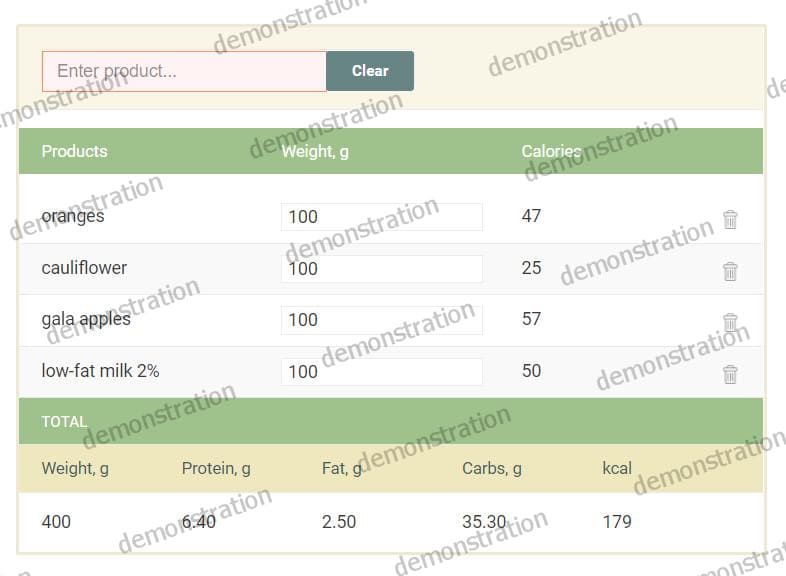
Use the «Food Nutrition Calculator» to find the calorie-count of over 14,000 different meals and foods quickly and easily.
Food Calorie Calculator
Screenshot
Use the weight converter to convert pounds to kilograms, ounces to grams and other metric to imperial weight conversions. Enter the weight in one of the text boxes and press the Convert button:
You can use the Calorie Calculator:
Screenshot

The Calorie Calculator for Weight Loss can help you determine how many calories you need to consume each day.
