


Blueberries, Raw: Complete Nutrition Facts and Health Benefits
Protein
Fats
Carbs
kcal
Protein
Fats
Carbs
kcal
Blueberries are particularly high in dietary fiber, with a 100-gram serving providing over 9% of the daily recommended intake. Fiber is important for maintaining digestive health and can also help lower cholesterol levels. Blueberries are also a good source of vitamin C, which is important for immune function, skin health. Here are the nutrition facts for a 100-gram serving of raw blueberries:
| Name | Amount | Unit |
|---|---|---|
| Water | 84.2 | g |
| Energy | 57 | kcal |
| Protein | 0.74 | g |
| Total lipid (fat) | 0.33 | g |
| Carbohydrate, by difference | 14.5 | g |
| Fiber, total dietary | 2.4 | g |
| Sugars, total including NLEA | 9.96 | g |
| Calcium, Ca | 6 | mg |
| Iron, Fe | 0.28 | mg |
| Magnesium, Mg | 6 | mg |
| Phosphorus, P | 12 | mg |
| Potassium, K | 77 | mg |
| Sodium, Na | 1 | mg |
| Zinc, Zn | 0.16 | mg |
| Copper, Cu | 0.057 | mg |
| Selenium, Se | 0.1 | µg |
| Vitamin C, total ascorbic acid | 9.7 | mg |
| Thiamin | 0.037 | mg |
| Riboflavin | 0.041 | mg |
| Niacin | 0.418 | mg |
| Vitamin B-6 | 0.052 | mg |
| Folate, total | 6 | µg |
| Folic acid | 0 | µg |
| Folate, food | 6 | µg |
| Folate, DFE | 6 | µg |
| Choline, total | 6 | mg |
| Vitamin B-12 | 0 | µg |
| Vitamin B-12, added | 0 | µg |
| Vitamin A, RAE | 3 | µg |
| Retinol | 0 | µg |
| Carotene, beta | 32 | µg |
| Carotene, alpha | 0 | µg |
| Cryptoxanthin, beta | 0 | µg |
| Lycopene | 0 | µg |
| Lutein + zeaxanthin | 80 | µg |
| Vitamin E (alpha-tocopherol) | 0.57 | mg |
| Vitamin E, added | 0 | mg |
| Vitamin D (D2 + D3) | 0 | µg |
| Vitamin K (phylloquinone) | 19.3 | µg |
| Fatty acids, total saturated | 0.028 | g |
| SFA 4:0 | 0 | g |
| SFA 6:0 | 0 | g |
| SFA 8:0 | 0 | g |
| SFA 10:0 | 0 | g |
| SFA 12:0 | 0 | g |
| SFA 14:0 | 0 | g |
| SFA 16:0 | 0.017 | g |
| SFA 18:0 | 0.005 | g |
| Fatty acids, total monounsaturated | 0.047 | g |
| MUFA 16:1 | 0.002 | g |
| MUFA 18:1 | 0.047 | g |
| MUFA 20:1 | 0 | g |
| MUFA 22:1 | 0 | g |
| Fatty acids, total polyunsaturated | 0.146 | g |
| PUFA 18:2 | 0.088 | g |
| PUFA 18:3 | 0.058 | g |
| PUFA 18:4 | 0 | g |
| PUFA 20:4 | 0 | g |
| PUFA 2:5 n-3 (EPA) | 0 | g |
| PUFA 22:5 n-3 (DPA) | 0 | g |
| PUFA 22:6 n-3 (DHA) | 0 | g |
| Cholesterol | 0 | mg |
| Alcohol, ethyl | 0 | g |
| Caffeine | 0 | mg |
| Theobromine | 0 | mg |
The nutrition facts are provided by the United States Department of Agriculture for Blueberries (100 g). www.usda.gov
Raw blueberries stand out as one of nature’s most nutrient-dense foods, packed with essential vitamins, minerals, and powerful antioxidants in every handful. These small, vibrant berries deliver impressive nutritional value while remaining remarkably low in calories, making them an excellent choice for health-conscious individuals.
Nutritional Profile of Raw Blueberries
A standard one-cup serving (148 grams) of raw blueberries contains approximately 84 calories, consisting primarily of carbohydrates with minimal protein and virtually no fat. This serving size provides about 21 grams of carbohydrates, including 15 grams of natural sugars and an impressive 3.6 grams of dietary fiber, which accounts for roughly 14% of the daily recommended intake.
The macronutrient distribution makes blueberries an ideal snack for those monitoring their caloric intake while still seeking satisfying sweetness. The fiber content supports digestive health and helps regulate blood sugar levels, preventing the rapid spikes associated with refined sugars.
Vitamin Content
Raw blueberries offer a rich array of vitamins, with vitamin C leading the charge. One cup provides approximately 24% of the daily recommended value of vitamin C, supporting immune function, collagen production, and antioxidant protection. Vitamin K is another standout, with a single serving delivering about 36% of the daily value, playing a crucial role in blood clotting and bone health.
These berries also contain smaller amounts of vitamin E, several B vitamins including B6, thiamin, riboflavin, niacin, and folate. While present in modest quantities, these vitamins collectively support energy metabolism, nervous system function, and cellular health.
Mineral Composition
The mineral profile of raw blueberries includes manganese as the star performer, providing approximately 25% of the daily recommended intake per cup. Manganese supports bone development, wound healing, and metabolic processes. Blueberries also contribute potassium, which aids in maintaining healthy blood pressure and proper muscle function.
Additional minerals present in smaller amounts include calcium, magnesium, phosphorus, iron, and zinc. While these minerals appear in trace quantities, they still contribute to the overall nutritional value of incorporating blueberries into a balanced diet.
Antioxidant Powerhouse
Beyond basic vitamins and minerals, raw blueberries contain an extraordinary concentration of antioxidants, particularly anthocyanins, which give the berries their distinctive deep blue color. These compounds have been extensively studied for their potential to combat oxidative stress, reduce inflammation, and protect cells from damage caused by free radicals.
The antioxidant capacity of blueberries ranks among the highest of all common fruits and vegetables. Research suggests that regular consumption may support brain health, cardiovascular function, and healthy aging. The polyphenols in blueberries may also contribute to improved insulin sensitivity and metabolic health.
Health Benefits Supported by Nutrition
The unique nutritional composition of raw blueberries translates into several evidence-based health benefits. The high fiber content promotes digestive regularity and may aid in weight management by increasing satiety. The combination of antioxidants and anti-inflammatory compounds supports heart health by potentially improving cholesterol levels and reducing blood pressure.
Cognitive function may benefit from regular blueberry consumption, with studies suggesting improvements in memory and delayed cognitive decline in older adults. The vitamin K content supports bone density, while vitamin C enhances immune response and skin health through collagen synthesis.
Incorporating Blueberries into Your Diet
Raw blueberries offer maximum nutritional benefit when consumed fresh and unprocessed. They make an excellent standalone snack, provide natural sweetness to breakfast cereals and yogurt, and enhance smoothies with both flavor and nutrition. Unlike many fruits, blueberries maintain much of their nutritional value even when frozen, making them accessible year-round.
A typical serving recommendation ranges from one-half to one cup, allowing flexibility based on individual caloric needs and dietary goals. The low glycemic index of blueberries, thanks to their fiber content, makes them suitable even for those monitoring blood sugar levels.
Storage and Selection
Selecting firm, dry berries with a uniform blue color ensures optimal freshness and nutritional content. Fresh blueberries should be stored unwashed in the refrigerator and can last up to two weeks when properly maintained. Washing should occur just before consumption to prevent premature spoilage.
For extended storage, freezing provides an excellent option. Frozen blueberries retain most of their nutritional properties and can be stored for several months, offering convenience without significant nutritional compromise.
Conclusion
Raw blueberries represent a nutritional powerhouse in a small, delicious package. With their impressive vitamin and mineral content, exceptional antioxidant profile, and minimal caloric impact, they deserve their reputation as a true superfood. Whether enjoyed fresh, frozen, or incorporated into various dishes, blueberries offer a simple yet effective way to boost overall nutritional intake and support long-term health.
The combination of taste, convenience, and nutritional density makes raw blueberries an accessible choice for individuals at any stage of their health journey, from children to older adults seeking to maintain vitality through wholesome nutrition.
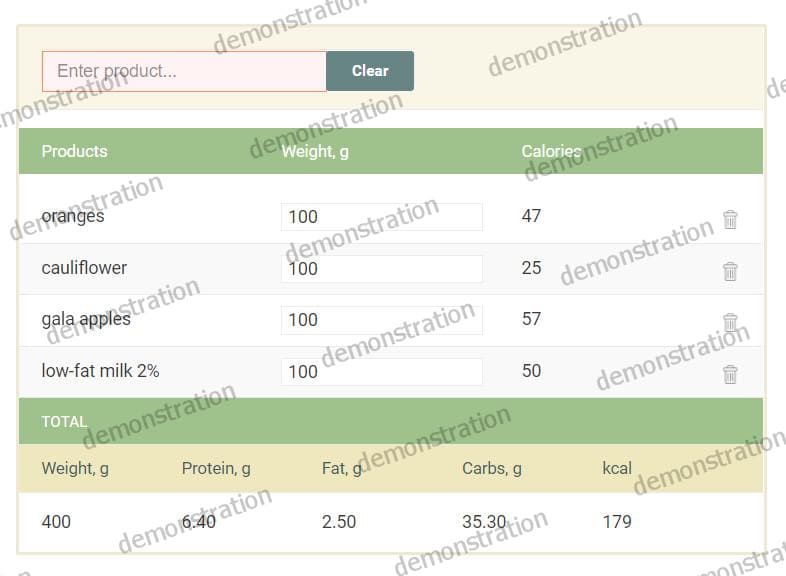
Use the «Food Nutrition Calculator» to find the calorie-count of over 14,000 different meals and foods quickly and easily.
Food Calorie Calculator
Screenshot
Use the weight converter to convert pounds to kilograms, ounces to grams and other metric to imperial weight conversions. Enter the weight in one of the text boxes and press the Convert button:
You can use the Calorie Calculator:
Screenshot
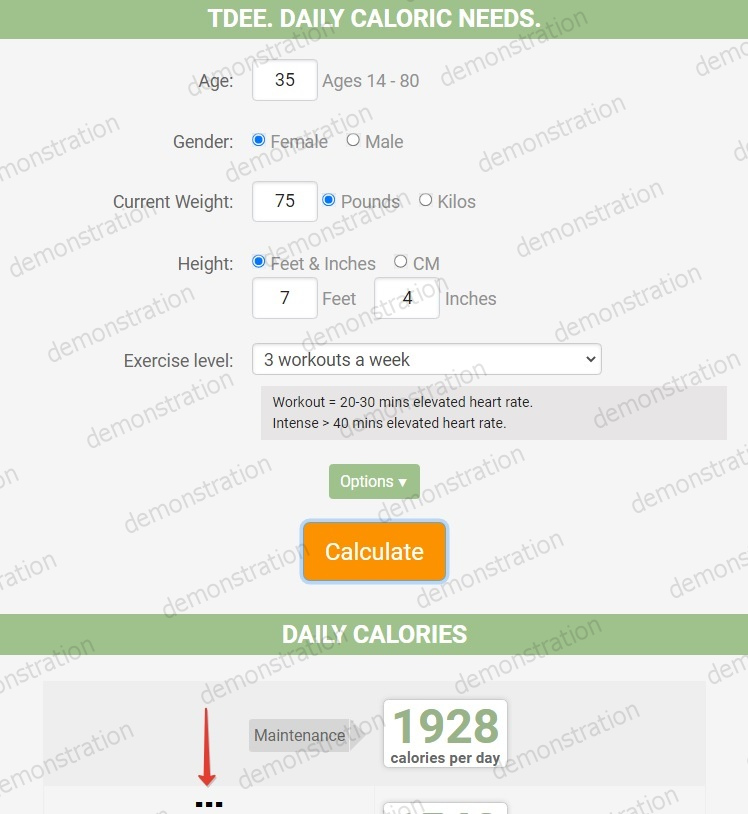
The Calorie Calculator for Weight Loss can help you determine how many calories you need to consume each day.

