


Buckwheat Honey, Raw: Nutrition Facts
Buckwheat honey stands apart from lighter honey varieties with its distinctive dark color, robust molasses-like flavor, and impressive nutritional profile. Produced by bees that gather nectar from buckwheat flowers, this raw honey has been valued for centuries not just as a sweetener, but as a functional food with notable health properties.
Basic Nutrition Facts
| Name | Amount | Unit |
|---|---|---|
| Energy | 300 | kcal |
| Protein | 0 | g |
| Total lipid (fat) | 0 | g |
| Carbohydrate, by difference | 85 | g |
| Fiber, total dietary | 0 | g |
| Sugars, total including NLEA | 80 | g |
| Calcium, Ca | 0 | mg |
| Iron, Fe | 0 | mg |
| Sodium, Na | 0 | mg |
| Vitamin C, total ascorbic acid | 0 | mg |
| Vitamin A, IU | 0 | IU |
| Fatty acids, total saturated | 0 | g |
| Fatty acids, total trans | 0 | g |
| Cholesterol | 0 | mg |
The nutrition facts are provided by the United States Department of Agriculture for Buckwheat Honey (100 g). www.usda.gov
Sugar Composition
Like all honey varieties, buckwheat honey is primarily composed of simple sugars, but the specific ratio affects its taste, texture, and crystallization properties. Buckwheat honey typically contains approximately 40% fructose and 30% glucose, with the remainder consisting of other sugars including maltose and sucrose. This particular composition contributes to its slower crystallization rate compared to honeys with higher glucose content.
Mineral Content
One of buckwheat honey’s distinguishing features is its notably higher mineral content compared to lighter honey varieties. The dark color directly correlates with increased mineral density. Key minerals found in buckwheat honey include:
| Mineral | Presence |
|---|---|
| Iron | Significant |
| Zinc | Moderate |
| Copper | Moderate |
| Magnesium | Present |
| Manganese | Present |
| Potassium | Present |
| Calcium | Present |
Note: While buckwheat honey contains more minerals than light honey varieties, the absolute amounts remain relatively small. It should be viewed as a complementary source rather than a primary mineral source in the diet.
Antioxidant Properties
Buckwheat honey is particularly renowned for its high antioxidant content. Research has shown that darker honeys generally contain more antioxidants than lighter varieties, and buckwheat honey consistently ranks among the highest. The primary antioxidants include phenolic compounds, flavonoids, and organic acids. These compounds help neutralize free radicals in the body and may contribute to various health benefits.
The antioxidant capacity of buckwheat honey has been measured to be significantly higher than many common fruits and vegetables on a per-weight basis, though typical serving sizes of honey are much smaller.
Vitamins and Enzymes
Raw buckwheat honey contains small amounts of B-complex vitamins, particularly B6, thiamine, niacin, riboflavin, and pantothenic acid. Vitamin C is also present in trace amounts. However, the quantities are minimal and not nutritionally significant for daily requirements.
More importantly, raw buckwheat honey contains various enzymes that are naturally present due to bee activity. These include glucose oxidase, which produces hydrogen peroxide and contributes to honey’s antimicrobial properties, as well as diastase and invertase. Heat processing destroys these enzymes, which is why raw honey is preferred for those seeking these beneficial compounds.
What Makes It “Raw”?
Raw honey is honey that has not been heated above natural hive temperatures (approximately 95°F or 35°C) and has not been pasteurized. This minimal processing preserves the natural enzymes, antioxidants, pollen, and other beneficial compounds that can be diminished or destroyed by heat treatment. Raw buckwheat honey may contain small amounts of bee pollen and propolis, which add to its nutritional complexity.
Health Benefits and Uses
Beyond basic nutrition, buckwheat honey has been studied for several potential health applications. Research suggests it may be particularly effective as a cough suppressant for children over one year of age, sometimes performing comparably to over-the-counter cough medications. Its antimicrobial properties make it useful for wound care in some medical settings.
The high antioxidant content may support cardiovascular health, though honey should still be consumed in moderation due to its sugar content. Some studies indicate that buckwheat honey may help improve cholesterol profiles when used as a sugar replacement, though more research is needed.
Caloric Considerations
Despite its health benefits, buckwheat honey remains a concentrated source of calories and sugars. At 64 calories per tablespoon, it provides quick energy but should be consumed thoughtfully, especially by individuals managing blood sugar levels or weight. While it offers more nutritional value than refined white sugar, it still impacts blood glucose and should be used as part of a balanced diet.
Comparison to Other Sweeteners
Compared to refined white sugar, buckwheat honey provides additional nutrients, antioxidants, and beneficial compounds. However, it contains roughly the same number of calories per weight. When compared to lighter honey varieties like clover or acacia, buckwheat honey offers substantially more minerals and antioxidants, though the stronger flavor may not suit all culinary applications.
Storage and Quality
Raw buckwheat honey should be stored at room temperature in a tightly sealed container. It may crystallize over time, which is a natural process and does not indicate spoilage. If crystallization occurs, the honey can be gently warmed in a warm water bath to return it to liquid form, though excessive heating should be avoided to preserve its raw properties.
Important Considerations
Raw honey, including buckwheat honey, should never be given to infants under one year of age due to the risk of botulism. While rare, raw honey can contain botulinum spores that an infant’s immature digestive system cannot handle safely.
Individuals with pollen allergies should approach raw honey cautiously, as it contains pollen particles. Some people with specific buckwheat allergies should avoid buckwheat honey entirely.
The Bottom Line
Raw buckwheat honey offers a unique nutritional profile among natural sweeteners, combining the energy-providing properties of honey with higher levels of minerals and antioxidants than lighter varieties. While it shouldn’t be considered a health food in the sense of being consumed freely, it represents a more nutritious choice when a sweetener is desired. Its robust flavor and potential health properties make it a valuable addition to a varied, balanced diet when used in moderation.
Whether drizzled over yogurt, stirred into tea, or used in baking, raw buckwheat honey provides not just sweetness but a complex array of beneficial compounds that distinguish it from both refined sugars and milder honey varieties.
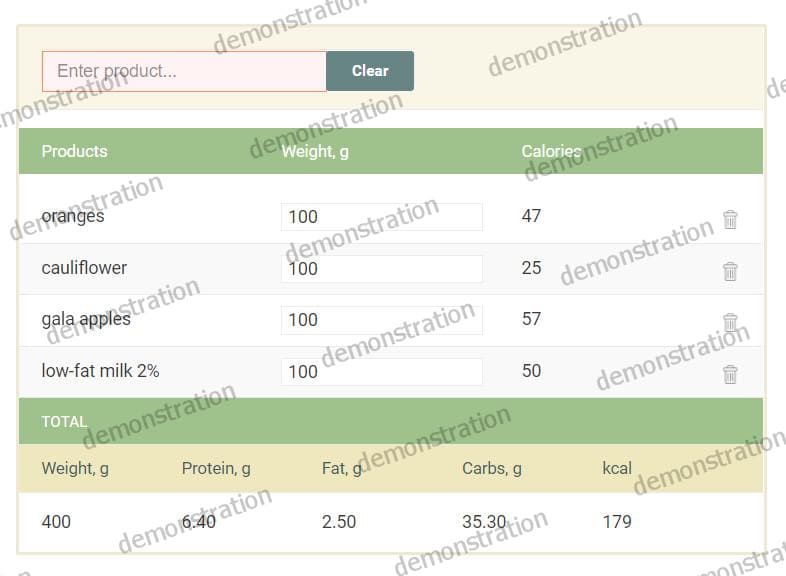
Use the «Food Nutrition Calculator» to find the calorie-count of over 14,000 different meals and foods quickly and easily.
Food Calorie Calculator
Screenshot
Use the weight converter to convert pounds to kilograms, ounces to grams and other metric to imperial weight conversions. Enter the weight in one of the text boxes and press the Convert button:
You can use the Calorie Calculator:
Screenshot
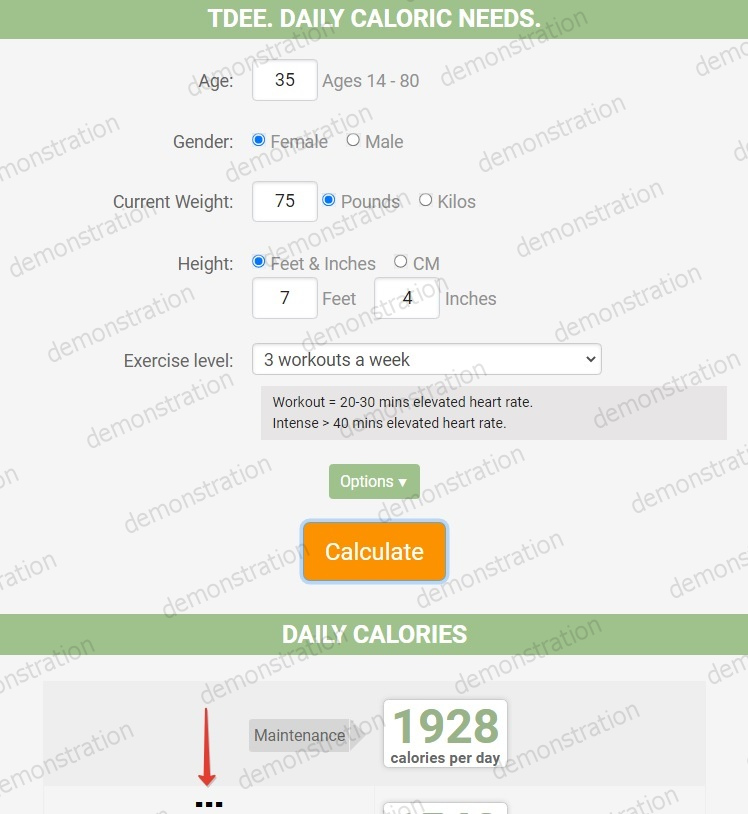
The Calorie Calculator for Weight Loss can help you determine how many calories you need to consume each day.
