


Anchovies, Raw: A Nutritional Powerhouse from the Sea
| Name | Amount | Unit |
|---|---|---|
| Water | 73.4 | g |
| Energy | 131 | kcal |
| Energy | 548 | kJ |
| Protein | 20.4 | g |
| Total lipid (fat) | 4.84 | g |
| Ash | 1.44 | g |
| Carbohydrate, by difference | 0 | g |
| Fiber, total dietary | 0 | g |
| Sugars, total including NLEA | 0 | g |
| Calcium, Ca | 147 | mg |
| Iron, Fe | 3.25 | mg |
| Magnesium, Mg | 41 | mg |
| Phosphorus, P | 174 | mg |
| Potassium, K | 383 | mg |
| Sodium, Na | 104 | mg |
| Zinc, Zn | 1.72 | mg |
| Copper, Cu | 0.211 | mg |
| Manganese, Mn | 0.07 | mg |
| Selenium, Se | 36.5 | µg |
| Vitamin C, total ascorbic acid | 0 | mg |
| Thiamin | 0.055 | mg |
| Riboflavin | 0.256 | mg |
| Niacin | 14 | mg |
| Pantothenic acid | 0.645 | mg |
| Vitamin B-6 | 0.143 | mg |
| Folate, total | 9 | µg |
| Folic acid | 0 | µg |
| Folate, food | 9 | µg |
| Folate, DFE | 9 | µg |
| Vitamin B-12 | 0.62 | µg |
| Vitamin B-12, added | 0 | µg |
| Vitamin A, RAE | 15 | µg |
| Retinol | 15 | µg |
| Carotene, beta | 0 | µg |
| Carotene, alpha | 0 | µg |
| Cryptoxanthin, beta | 0 | µg |
| Vitamin A, IU | 50 | IU |
| Lycopene | 0 | µg |
| Lutein + zeaxanthin | 0 | µg |
| Vitamin E (alpha-tocopherol) | 0.57 | mg |
| Vitamin E, added | 0 | mg |
| Vitamin K (phylloquinone) | 0.1 | µg |
| Fatty acids, total saturated | 1.28 | g |
| SFA 4:0 | 0 | g |
| SFA 6:0 | 0 | g |
| SFA 8:0 | 0 | g |
| SFA 10:0 | 0 | g |
| SFA 12:0 | 0.014 | g |
| SFA 14:0 | 0.302 | g |
| SFA 16:0 | 0.715 | g |
| SFA 18:0 | 0.252 | g |
| Fatty acids, total monounsaturated | 1.18 | g |
| MUFA 16:1 | 0.4 | g |
| MUFA 18:1 | 0.624 | g |
| MUFA 20:1 | 0 | g |
| MUFA 22:1 | 0.115 | g |
| Fatty acids, total polyunsaturated | 1.64 | g |
| PUFA 18:2 | 0.097 | g |
| PUFA 18:3 | 0 | g |
| PUFA 18:4 | 0.055 | g |
| PUFA 20:4 | 0.007 | g |
| PUFA 20:5 n-3 (EPA) | 0.538 | g |
| PUFA 22:5 n-3 (DPA) | 0.029 | g |
| PUFA 22:6 n-3 (DHA) | 0.911 | g |
| Cholesterol | 60 | mg |
| Tryptophan | 0.228 | g |
| Threonine | 0.892 | g |
| Isoleucine | 0.938 | g |
| Leucine | 1.65 | g |
| Lysine | 1.87 | g |
| Methionine | 0.602 | g |
| Cystine | 0.218 | g |
| Phenylalanine | 0.794 | g |
| Tyrosine | 0.687 | g |
| Valine | 1.05 | g |
| Arginine | 1.22 | g |
| Histidine | 0.599 | g |
| Alanine | 1.23 | g |
| Aspartic acid | 2.08 | g |
| Glutamic acid | 3.04 | g |
| Glycine | 0.977 | g |
| Proline | 0.72 | g |
| Serine | 0.83 | g |
| Alcohol, ethyl | 0 | g |
| Caffeine | 0 | mg |
| Theobromine | 0 | mg |
Raw anchovies are small, silver-colored fish that belong to the Engraulidae family and swim in temperate waters worldwide. While often associated with pizza toppings and Caesar salads in their preserved form, raw anchovies offer an impressive nutritional profile that deserves closer attention from health-conscious consumers and culinary enthusiasts alike.
Caloric Content and Macronutrients
Per 100 grams, raw anchovies contain approximately 131 calories (548 kJ), making them a relatively low-calorie protein source. The macronutrient breakdown reveals why these small fish punch well above their weight class nutritionally.
With 20.4 grams of protein per 100-gram serving, anchovies provide high-quality complete protein containing all essential amino acids. Notable amino acids include leucine (1.65g), lysine (1.87g), and glutamic acid (3.04g), which support muscle maintenance, immune function, and various metabolic processes.
The fat content stands at 4.84 grams, primarily composed of heart-healthy unsaturated fats. Anchovies contain zero carbohydrates, making them suitable for low-carb and ketogenic dietary approaches.
Omega-3 Fatty Acids: The Star Attraction
Perhaps the most compelling nutritional feature of raw anchovies is their exceptional omega-3 fatty acid content. These small fish deliver 0.538 grams of EPA (eicosapentaenoic acid) and an impressive 0.911 grams of DHA (docosahexaenoic acid) per 100 grams. These long-chain omega-3 fatty acids are crucial for cardiovascular health, brain function, and reducing inflammation throughout the body.
The total polyunsaturated fat content reaches 1.64 grams, while monounsaturated fats contribute 1.18 grams. Saturated fat remains modest at 1.28 grams. This favorable fat profile supports healthy cholesterol levels and overall cardiovascular wellness.
Mineral Wealth
Raw anchovies are remarkably rich in essential minerals. The calcium content of 147 milligrams per 100 grams is particularly noteworthy for a non-dairy food source, supporting bone health and muscular function. This becomes especially valuable for individuals who are lactose intolerant or following plant-forward diets that include fish.
Iron content reaches 3.25 milligrams, providing approximately 18-40% of daily needs depending on age and gender. This iron comes in the highly bioavailable heme form found in animal products, making anchovies an excellent choice for preventing or addressing iron deficiency.
Other significant minerals include phosphorus (174mg), potassium (383mg), magnesium (41mg), and selenium (36.5µg). The selenium content is particularly valuable, as this trace mineral functions as a powerful antioxidant and supports thyroid function. Zinc (1.72mg) contributes to immune health and wound healing.
Vitamin Content
The B-vitamin profile of raw anchovies is robust, with niacin (vitamin B3) leading at 14 milligrams per 100 grams. Niacin supports energy metabolism, nervous system function, and skin health. Other B vitamins present include riboflavin (0.256mg), pantothenic acid (0.645mg), vitamin B6 (0.143mg), and vitamin B12 (0.62µg).
Vitamin B12 deserves special mention, as anchovies provide this essential nutrient that is naturally found only in animal products. This makes them valuable for individuals reducing meat consumption while still including fish in their diets.
Fat-soluble vitamins include vitamin A (15µg RAE or 50 IU), vitamin E (0.57mg), and a small amount of vitamin K (0.1µg). While vitamin C is absent, this is typical for fish and animal products.
Cholesterol Considerations
Raw anchovies contain 60 milligrams of cholesterol per 100 grams, which is moderate compared to other seafood. For most individuals, dietary cholesterol has a minimal impact on blood cholesterol levels, particularly when consumed as part of a balanced diet rich in fiber and healthy fats. The omega-3 content and overall heart-healthy fat profile generally outweigh concerns about dietary cholesterol for healthy individuals.
Storage and Safety
Fresh anchovies are highly perishable and should be consumed within a day or two of purchase, or properly frozen for later use. As with all raw fish, proper handling and storage at appropriate temperatures (below 40°F/4°C) is essential to prevent bacterial growth and maintain quality.
The Bottom Line
Raw anchovies deliver exceptional nutritional value in a small package. Their high protein content, abundant omega-3 fatty acids, impressive mineral profile (especially calcium, iron, and selenium), and B-vitamin content make them a nutritional powerhouse worthy of regular inclusion in a health-conscious diet. Whether enjoyed fresh or seeking out quality preserved versions, anchovies offer far more than their diminutive size might suggest.
The nutrition facts are provided by the United States Department of Agriculture for Anchovies (100 g). www.usda.gov
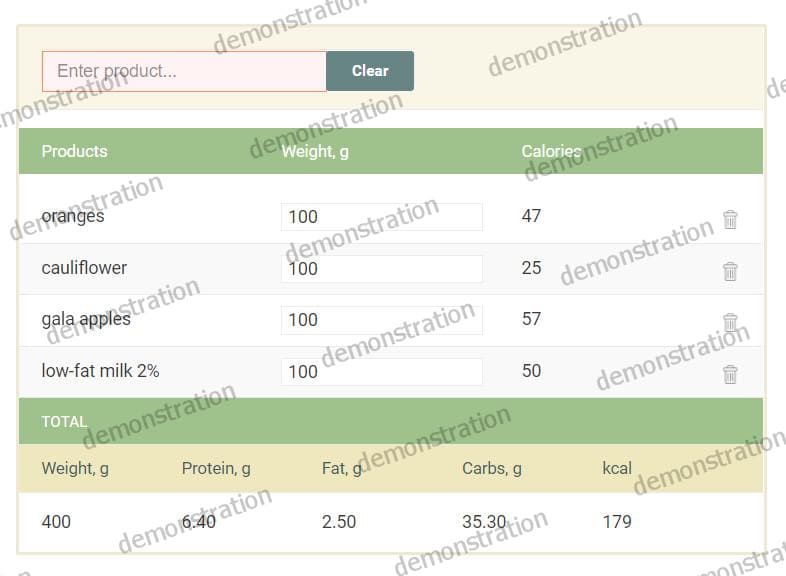
Use the «Food Nutrition Calculator» to find the calorie-count of over 14,000 different meals and foods quickly and easily.
Food Calorie Calculator
Screenshot
Use the weight converter to convert pounds to kilograms, ounces to grams and other metric to imperial weight conversions. Enter the weight in one of the text boxes and press the Convert button:
You can use the Calorie Calculator:
Screenshot
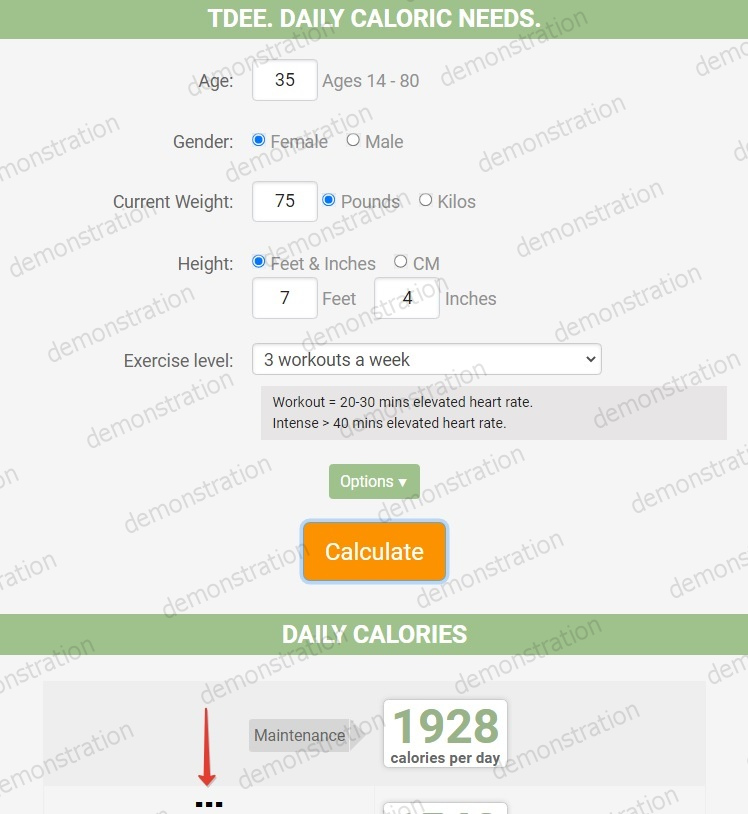
The Calorie Calculator for Weight Loss can help you determine how many calories you need to consume each day.
