The Complete Nutritional Profile of Raw Apples: A Comprehensive Guide
| Name | Amount | Unit |
|---|---|---|
| Water | 85.6 | g |
| Energy | 52 | kcal |
| Protein | 0.26 | g |
| Total lipid (fat) | 0.17 | g |
| Carbohydrate, by difference | 13.8 | g |
| Fiber, total dietary | 2.4 | g |
| Sugars, total including NLEA | 10.4 | g |
| Calcium, Ca | 6 | mg |
| Iron, Fe | 0.12 | mg |
| Magnesium, Mg | 5 | mg |
| Phosphorus, P | 11 | mg |
| Potassium, K | 107 | mg |
| Sodium, Na | 1 | mg |
| Zinc, Zn | 0.04 | mg |
| Copper, Cu | 0.027 | mg |
| Selenium, Se | 0 | µg |
| Vitamin C, total ascorbic acid | 4.6 | mg |
| Thiamin | 0.017 | mg |
| Riboflavin | 0.026 | mg |
| Niacin | 0.091 | mg |
| Vitamin B-6 | 0.041 | mg |
| Folate, total | 3 | µg |
| Folic acid | 0 | µg |
| Folate, food | 3 | µg |
| Folate, DFE | 3 | µg |
| Choline, total | 3.4 | mg |
| Vitamin B-12 | 0 | µg |
| Vitamin B-12, added | 0 | µg |
| Vitamin A, RAE | 3 | µg |
| Retinol | 0 | µg |
| Carotene, beta | 27 | µg |
| Carotene, alpha | 0 | µg |
| Cryptoxanthin, beta | 11 | µg |
| Lycopene | 0 | µg |
| Lutein + zeaxanthin | 29 | µg |
| Vitamin E (alpha-tocopherol) | 0.18 | mg |
| Vitamin E, added | 0 | mg |
| Vitamin D (D2 + D3) | 0 | µg |
| Vitamin K (phylloquinone) | 2.2 | µg |
| Fatty acids, total saturated | 0.028 | g |
| SFA 4:0 | 0 | g |
| SFA 6:0 | 0 | g |
| SFA 8:0 | 0 | g |
| SFA 10:0 | 0 | g |
| SFA 12:0 | 0 | g |
| SFA 14:0 | 0.001 | g |
| SFA 16:0 | 0.024 | g |
| SFA 18:0 | 0.003 | g |
| Fatty acids, total monounsaturated | 0.007 | g |
| MUFA 16:1 | 0 | g |
| MUFA 18:1 | 0.007 | g |
| MUFA 20:1 | 0 | g |
| MUFA 22:1 | 0 | g |
| Fatty acids, total polyunsaturated | 0.051 | g |
| PUFA 18:2 | 0.043 | g |
| PUFA 18:3 | 0.009 | g |
| PUFA 18:4 | 0 | g |
| PUFA 20:4 | 0 | g |
| PUFA 2:5 n-3 (EPA) | 0 | g |
| PUFA 22:5 n-3 (DPA) | 0 | g |
| PUFA 22:6 n-3 (DHA) | 0 | g |
| Cholesterol | 0 | mg |
| Alcohol, ethyl | 0 | g |
| Caffeine | 0 | mg |
| Theobromine | 0 | mg |
An apple a day keeps the doctor away—this timeless saying has endured for good reason. Raw apples are not only delicious and convenient but also pack a surprising nutritional punch. With just 52 calories per 100 grams, apples offer a wealth of essential nutrients while remaining a low-calorie snack option. Let’s dive deep into what makes this crisp fruit a nutritional powerhouse.
Caloric Content and Macronutrients
At 52 calories per 100 grams, raw apples are an excellent choice for those watching their caloric intake. The macronutrient breakdown reveals that apples are primarily composed of water and carbohydrates, with 85.6 grams of water making up the majority of their weight. This high water content contributes to the fruit’s refreshing quality and helps with hydration.
The 13.8 grams of carbohydrates include 10.4 grams of natural sugars and 2.4 grams of dietary fiber. This fiber content is particularly valuable for digestive health and helps slow the absorption of sugars into the bloodstream. With minimal protein (0.26 grams) and virtually no fat (0.17 grams), apples are naturally low in these macronutrients.
Vitamin Composition
Apples contain a modest but beneficial array of vitamins. Vitamin C stands out at 4.6 milligrams per 100 grams, contributing to immune function and skin health. While not exceptionally high, this amount still provides a useful contribution to daily vitamin C needs.
The B-vitamin complex is present in small amounts, including thiamin (0.017 mg), riboflavin (0.026 mg), niacin (0.091 mg), and vitamin B-6 (0.041 mg). Apples also contain 3 micrograms of folate, entirely from natural food sources rather than synthetic folic acid. Additionally, the fruit provides 3.4 milligrams of choline, supporting various metabolic processes.
Fat-soluble vitamins are represented by vitamin E at 0.18 milligrams, vitamin K at 2.2 micrograms, and a small amount of vitamin A (3 micrograms RAE). The vitamin A comes from carotenoids, including 27 micrograms of beta-carotene and 29 micrograms of lutein plus zeaxanthin, compounds that support eye health.
Mineral Profile
The mineral content of apples is led by potassium at 107 milligrams per 100 grams, an important electrolyte that supports heart health and blood pressure regulation. Phosphorus contributes 11 milligrams, while calcium provides 6 milligrams to the overall nutritional profile.
Magnesium is present at 5 milligrams, and trace minerals include iron (0.12 mg), zinc (0.04 mg), and copper (0.027 mg). Notably, apples are naturally low in sodium with just 1 milligram per 100 grams, making them an excellent choice for low-sodium diets.
Fatty Acid Breakdown
Despite their minimal total fat content, apples do contain trace amounts of different fatty acid types. The 0.17 grams of total fat breaks down into 0.028 grams of saturated fatty acids (primarily palmitic acid at 0.024 g), 0.007 grams of monounsaturated fatty acids (mainly oleic acid), and 0.051 grams of polyunsaturated fatty acids.
The polyunsaturated fats include both omega-6 (linoleic acid at 0.043 g) and omega-3 (alpha-linolenic acid at 0.009 g) fatty acids. Importantly, apples contain zero cholesterol, making them heart-friendly.
Health-Promoting Compounds
Beyond basic nutrients, the 2.4 grams of dietary fiber in apples deserves special attention. This fiber, particularly the soluble fiber pectin found in apple skin, has been associated with improved cholesterol levels and better blood sugar control. The combination of fiber and water content also promotes feelings of fullness, potentially aiding weight management efforts.
The antioxidant compounds in apples, including various polyphenols not listed in standard nutrition databases, contribute to the fruit’s health benefits. These compounds work synergistically with vitamins C and E to combat oxidative stress in the body.
Practical Considerations
When consuming apples for maximum nutritional benefit, eating them with the skin intact is advisable, as much of the fiber and many beneficial compounds are concentrated there. The USDA data presented here represents raw, unprocessed apples, so cooking or processing may alter some nutrient levels.
Apples contain no caffeine, theobromine, or alcohol, making them appropriate for all age groups and dietary restrictions. Their natural sweetness comes entirely from fruit sugars, providing energy without added sweeteners.
The Bottom Line
Raw apples offer an impressive nutritional profile for such a humble fruit. With high water content, beneficial fiber, essential vitamins and minerals, and minimal calories, they deserve their reputation as a healthy snack. Whether eaten on their own, sliced into salads, or paired with nut butter for added protein, apples remain a nutritious and convenient choice for supporting overall health and wellbeing.
The nutrition facts are provided by the United States Department of Agriculture for Apple (100 g). www.usda.gov
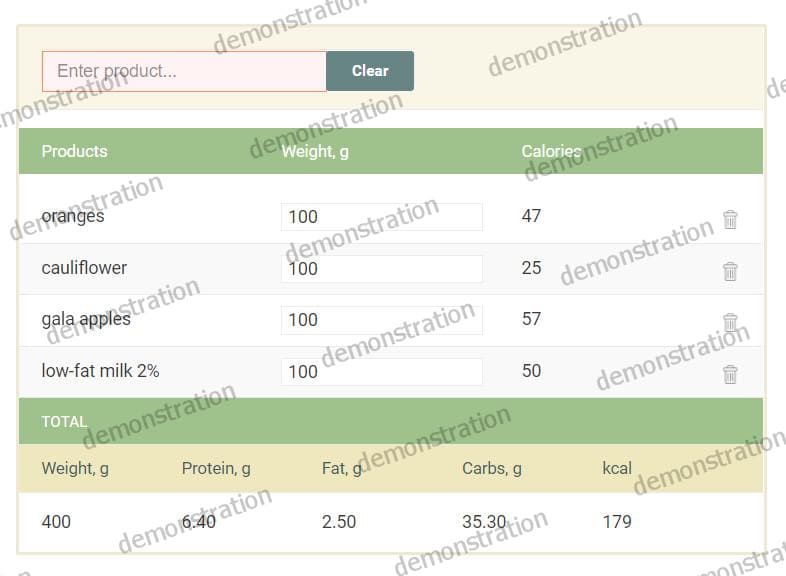
Use the «Food Nutrition Calculator» to find the calorie-count of over 14,000 different meals and foods quickly and easily.
Food Calorie Calculator
Screenshot
Use the weight converter to convert pounds to kilograms, ounces to grams and other metric to imperial weight conversions. Enter the weight in one of the text boxes and press the Convert button:
You can use the Calorie Calculator:
Screenshot
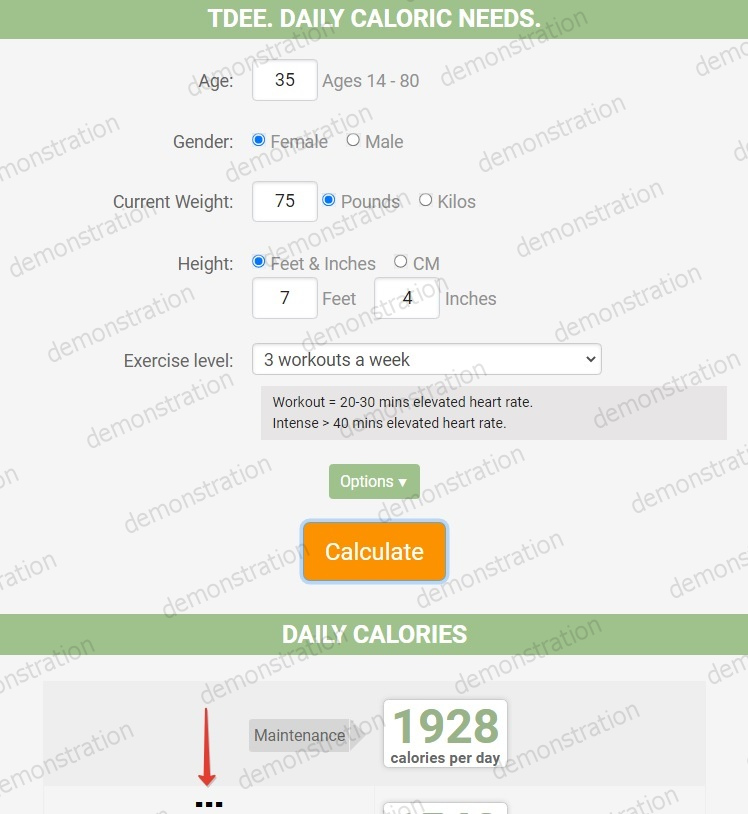
The Calorie Calculator for Weight Loss can help you determine how many calories you need to consume each day.