


Dried Apricot Nutrition Facts: Complete Guide to Calories, Vitamins & Health Benefits
Protein
Fats
Carbs
kcal
Protein
Fats
Carbs
kcal
Protein
Fats
Carbs
kcal
Dried apricots are a nutrient-dense snack that packs a powerful nutritional punch in a small package. Through the dehydration process, these golden gems concentrate their natural sugars and nutrients, creating an excellent source of energy, vitamins, and minerals that support overall health.
| Name | Amount | Unit |
|---|---|---|
| Water | 30.9 | g |
| Energy | 241 | kcal |
| Protein | 3.39 | g |
| Total lipid (fat) | 0.51 | g |
| Carbohydrate, by difference | 62.6 | g |
| Fiber, total dietary | 7.3 | g |
| Sugars, total including NLEA | 53.4 | g |
| Calcium, Ca | 55 | mg |
| Iron, Fe | 2.66 | mg |
| Magnesium, Mg | 32 | mg |
| Phosphorus, P | 71 | mg |
| Potassium, K | 1160 | mg |
| Sodium, Na | 10 | mg |
| Zinc, Zn | 0.39 | mg |
| Copper, Cu | 0.343 | mg |
| Selenium, Se | 2.2 | µg |
| Vitamin C, total ascorbic acid | 1 | mg |
| Thiamin | 0.015 | mg |
| Riboflavin | 0.074 | mg |
| Niacin | 2.59 | mg |
| Vitamin B-6 | 0.143 | mg |
| Folate, total | 10 | µg |
| Folic acid | 0 | µg |
| Folate, food | 10 | µg |
| Folate, DFE | 10 | µg |
| Choline, total | 13.9 | mg |
| Vitamin B-12 | 0 | µg |
| Vitamin B-12, added | 0 | µg |
| Vitamin A, RAE | 180 | µg |
| Retinol | 0 | µg |
| Carotene, beta | 2160 | µg |
| Carotene, alpha | 0 | µg |
| Cryptoxanthin, beta | 0 | µg |
| Lycopene | 0 | µg |
| Lutein + zeaxanthin | 0 | µg |
| Vitamin E (alpha-tocopherol) | 4.33 | mg |
| Vitamin E, added | 0 | mg |
| Vitamin D (D2 + D3) | 0 | µg |
| Vitamin K (phylloquinone) | 3.1 | µg |
| Fatty acids, total saturated | 0.017 | g |
| SFA 4:0 | 0 | g |
| SFA 6:0 | 0 | g |
| SFA 8:0 | 0 | g |
| SFA 10:0 | 0 | g |
| SFA 12:0 | 0 | g |
| SFA 14:0 | 0 | g |
| SFA 16:0 | 0.017 | g |
| SFA 18:0 | 0 | g |
| Fatty acids, total monounsaturated | 0.074 | g |
| MUFA 16:1 | 0 | g |
| MUFA 18:1 | 0.074 | g |
| MUFA 20:1 | 0 | g |
| MUFA 22:1 | 0 | g |
| Fatty acids, total polyunsaturated | 0.074 | g |
| PUFA 18:2 | 0.074 | g |
| PUFA 18:3 | 0 | g |
| PUFA 18:4 | 0 | g |
| PUFA 20:4 | 0 | g |
| PUFA 2:5 n-3 (EPA) | 0 | g |
| PUFA 22:5 n-3 (DPA) | 0 | g |
| PUFA 22:6 n-3 (DHA) | 0 | g |
| Cholesterol | 0 | mg |
| Alcohol, ethyl | 0 | g |
| Caffeine | 0 | mg |
| Theobromine | 0 | mg |
Calorie and Macronutrient Content
Dried apricots are relatively high in calories compared to fresh fruit due to their concentrated nature. Here’s how the calories and macronutrients break down across different serving sizes:
Per 100 grams: 241 calories, with 62.6g carbohydrates, 3.39g protein, and 0.51g fats
Per 1 ounce (28g): 68 calories, with 17.76g carbohydrates, 0.96g protein, and 0.14g fats
Per 1 serving (33g): 80 calories, with 20.67g carbohydrates, 1.12g protein, and 0.17g fats
Per 1 cup (130g): 313 calories, with 81.43g carbohydrates, 4.41g protein, and 0.66g fats
The majority of calories in dried apricots come from carbohydrates, particularly natural sugars, which comprise 53.4g per 100g. This makes them an excellent quick energy source for athletes or anyone needing a natural energy boost.
Dietary Fiber for Digestive Health
One of the standout features of dried apricots is their impressive fiber content. With 7.3g of dietary fiber per 100g serving, they provide nearly 30% of the recommended daily intake. This fiber helps maintain digestive regularity, prevents constipation, and supports a healthy gut microbiome. The fiber also slows sugar absorption, helping to moderate blood sugar spikes despite the fruit’s high natural sugar content.
Potassium Powerhouse
Dried apricots are exceptionally rich in potassium, containing 1,160mg per 100g—that’s more potassium per serving than a banana. This essential mineral plays a crucial role in maintaining healthy blood pressure by counteracting the effects of sodium, supporting proper heart function, and helping muscles contract efficiently. For individuals monitoring their cardiovascular health, dried apricots can be a valuable dietary addition.
Vitamin A and Vision Health
With 180µg of vitamin A (RAE) and an impressive 2,160µg of beta-carotene per 100g, dried apricots are outstanding for eye health. Vitamin A is essential for maintaining healthy vision, particularly in low-light conditions, and supports the function of the cornea and retina. Beyond vision, vitamin A also strengthens immune function and promotes healthy skin cell turnover.
Additional Vitamins and Minerals
Dried apricots contain a variety of other beneficial nutrients:
Iron (2.66mg per 100g): Supports oxygen transport throughout the body and helps prevent anemia.
Calcium (55mg per 100g): Contributes to bone health and muscle function.
Magnesium (32mg per 100g): Important for nerve function, muscle relaxation, and energy production.
Vitamin E (4.33mg per 100g): Acts as a powerful antioxidant, protecting cells from oxidative damage.
B vitamins: Including niacin (2.59mg), riboflavin (0.074mg), and vitamin B-6 (0.143mg), which support energy metabolism and nervous system function.
Antioxidant Properties
The vibrant orange color of dried apricots signals their rich antioxidant content. Beta-carotene, vitamin E, and other plant compounds help neutralize harmful free radicals in the body, potentially reducing the risk of chronic diseases and supporting healthy aging.
Low in Fat and Cholesterol-Free
Dried apricots are naturally very low in fat (0.51g per 100g) and contain zero cholesterol, making them heart-friendly. The minimal fat present includes small amounts of monounsaturated and polyunsaturated fatty acids, which are beneficial for cardiovascular health.
Considerations and Serving Suggestions
While dried apricots are nutritious, they’re also calorie-dense due to their concentrated sugars. A reasonable serving size is about 30-40g (approximately 6-8 dried apricot halves), providing around 70-100 calories. They make an excellent addition to breakfast cereals, trail mixes, salads, or can be enjoyed on their own as a satisfying snack.
Those watching their sugar intake should consume dried apricots in moderation, and individuals with certain digestive sensitivities may want to start with smaller portions, as the high fiber content can cause discomfort if consumed in large quantities.
The nutrition facts provided are sourced from the United States Department of Agriculture (USDA) National Nutrient Database. www.usda.gov
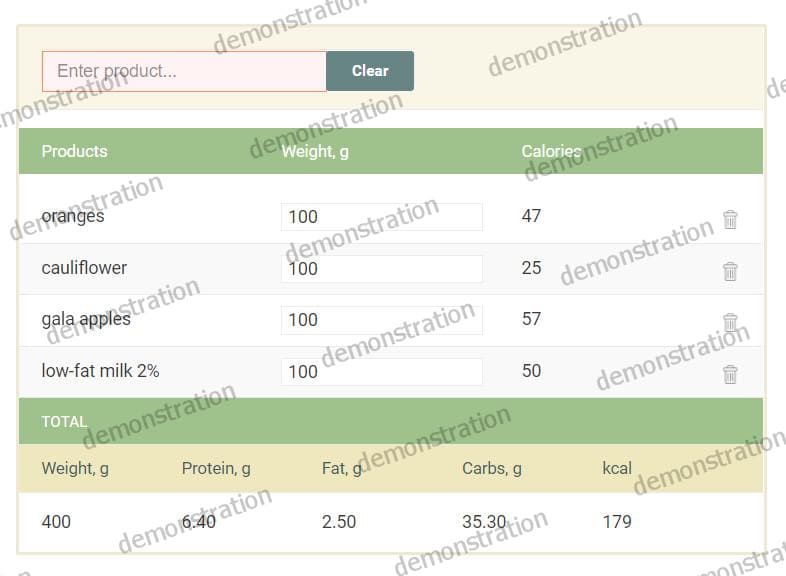
Use the «Food Nutrition Calculator» to find the calorie-count of over 14,000 different meals and foods quickly and easily.
Food Calorie Calculator
Screenshot
Use the weight converter to convert pounds to kilograms, ounces to grams and other metric to imperial weight conversions. Enter the weight in one of the text boxes and press the Convert button:
You can use the Calorie Calculator:
Screenshot
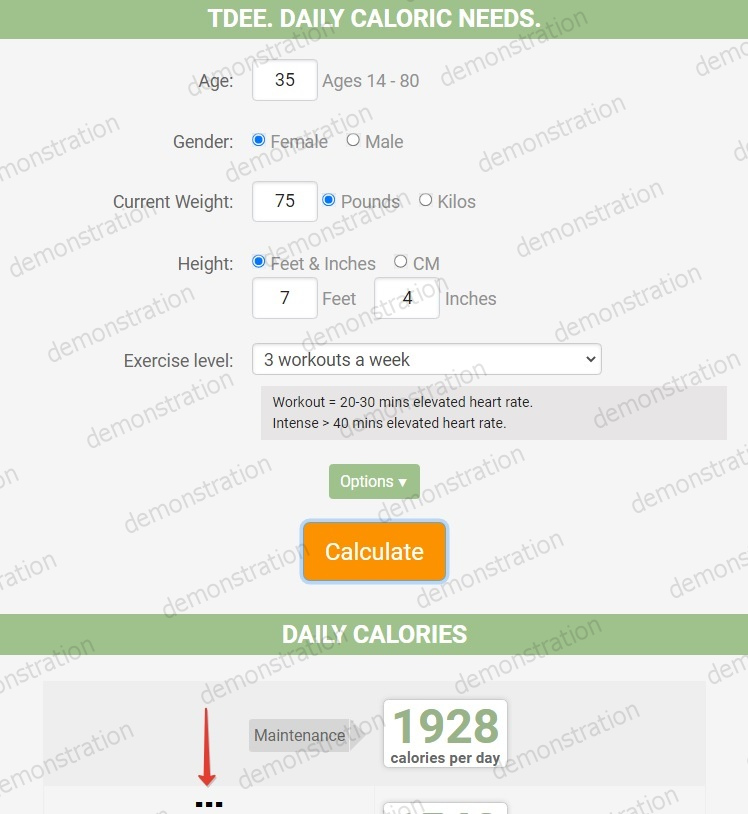
The Calorie Calculator for Weight Loss can help you determine how many calories you need to consume each day.
