


Asparagus, Raw: Complete Nutrition Facts and Health Benefits
Raw asparagus stands out as one of nature’s most nutrient-dense vegetables, offering an impressive array of vitamins and minerals while remaining remarkably low in calories. This spring vegetable has been prized for centuries not only for its distinctive flavor but also for its exceptional nutritional profile.
| Name | Amount | Unit |
|---|---|---|
| Water | 93.2 | g |
| Energy | 20 | kcal |
| Protein | 2.2 | g |
| Total lipid (fat) | 0.12 | g |
| Carbohydrate, by difference | 3.88 | g |
| Fiber, total dietary | 2.1 | g |
| Sugars, total including NLEA | 1.88 | g |
| Calcium, Ca | 24 | mg |
| Iron, Fe | 2.14 | mg |
| Magnesium, Mg | 14 | mg |
| Phosphorus, P | 52 | mg |
| Potassium, K | 202 | mg |
| Sodium, Na | 2 | mg |
| Zinc, Zn | 0.54 | mg |
| Copper, Cu | 0.189 | mg |
| Selenium, Se | 2.3 | µg |
| Vitamin C, total ascorbic acid | 5.6 | mg |
| Thiamin | 0.143 | mg |
| Riboflavin | 0.141 | mg |
| Niacin | 0.978 | mg |
| Vitamin B-6 | 0.091 | mg |
| Folate, total | 52 | µg |
| Folic acid | 0 | µg |
| Folate, food | 52 | µg |
| Folate, DFE | 52 | µg |
| Choline, total | 16 | mg |
| Vitamin B-12 | 0 | µg |
| Vitamin B-12, added | 0 | µg |
| Vitamin A, RAE | 38 | µg |
| Retinol | 0 | µg |
| Carotene, beta | 449 | µg |
| Carotene, alpha | 9 | µg |
| Cryptoxanthin, beta | 0 | µg |
| Lycopene | 0 | µg |
| Lutein + zeaxanthin | 710 | µg |
| Vitamin E (alpha-tocopherol) | 1.13 | mg |
| Vitamin E, added | 0 | mg |
| Vitamin D (D2 + D3) | 0 | µg |
| Vitamin K (phylloquinone) | 41.6 | µg |
| Fatty acids, total saturated | 0.04 | g |
| SFA 4:0 | 0 | g |
| SFA 6:0 | 0 | g |
| SFA 8:0 | 0 | g |
| SFA 10:0 | 0 | g |
| SFA 12:0 | 0 | g |
| SFA 14:0 | 0 | g |
| SFA 16:0 | 0.04 | g |
| SFA 18:0 | 0 | g |
| Fatty acids, total monounsaturated | 0 | g |
| MUFA 16:1 | 0 | g |
| MUFA 18:1 | 0 | g |
| MUFA 20:1 | 0 | g |
| MUFA 22:1 | 0 | g |
| Fatty acids, total polyunsaturated | 0.05 | g |
| PUFA 18:2 | 0.04 | g |
| PUFA 18:3 | 0.01 | g |
| PUFA 18:4 | 0 | g |
| PUFA 20:4 | 0 | g |
| PUFA 2:5 n-3 (EPA) | 0 | g |
| PUFA 22:5 n-3 (DPA) | 0 | g |
| PUFA 22:6 n-3 (DHA) | 0 | g |
| Cholesterol | 0 | mg |
| Alcohol, ethyl | 0 | g |
| Caffeine | 0 | mg |
| Theobromine | 0 | mg |
Caloric Content and Macronutrients
At just 20 calories per 100 grams, raw asparagus is an excellent choice for those watching their caloric intake. The vegetable is composed primarily of water (93.2%), making it incredibly hydrating and filling despite its minimal calorie count.
The macronutrient breakdown reveals asparagus as a surprisingly good source of plant-based protein, containing 2.2 grams per 100-gram serving. Carbohydrates account for 3.88 grams, with 2.1 grams coming from dietary fiber and 1.88 grams from natural sugars. The fat content is negligible at just 0.12 grams, with virtually no saturated fat (0.04g) and minimal polyunsaturated fatty acids (0.05g).
Vitamin Profile
Raw asparagus delivers an exceptional range of vitamins, making it a powerhouse vegetable for supporting various bodily functions.
Vitamin K content is particularly noteworthy at 41.6 micrograms per 100 grams, providing a substantial portion of the daily requirement. This fat-soluble vitamin plays a crucial role in blood clotting and bone health.
Folate levels are impressive at 52 micrograms, making asparagus an excellent choice for pregnant women and anyone needing to boost their B-vitamin intake. All of this folate comes from natural food sources rather than synthetic folic acid.
The vegetable also contains meaningful amounts of Vitamin C (5.6mg), which supports immune function and collagen production, and Vitamin E (1.13mg), a powerful antioxidant that protects cells from oxidative damage.
Vitamin A is present at 38 micrograms RAE, primarily from beta-carotene (449µg) and lutein plus zeaxanthin (710µg), compounds that support eye health and may reduce the risk of age-related macular degeneration.
The B-vitamin complex is well-represented with thiamin (0.143mg), riboflavin (0.141mg), niacin (0.978mg), and vitamin B-6 (0.091mg), all of which contribute to energy metabolism and nervous system function.
Mineral Composition
Asparagus provides a diverse mineral profile that supports numerous physiological processes.
Iron content is notable at 2.14 milligrams per 100 grams, making asparagus a valuable plant-based source of this essential mineral for oxygen transport and energy production.
Potassium levels reach 202 milligrams, supporting cardiovascular health and proper muscle function while helping to balance sodium intake. Speaking of sodium, asparagus is naturally very low at just 2 milligrams, making it ideal for low-sodium diets.
Other important minerals include phosphorus (52mg) for bone health, magnesium (14mg) for muscle and nerve function, calcium (24mg) for skeletal strength, and zinc (0.54mg) for immune support.
Trace minerals such as copper (0.189mg) and selenium (2.3µg) round out the mineral profile, contributing to antioxidant defenses and metabolic processes.
Unique Nutritional Characteristics
Several aspects of asparagus nutrition deserve special mention. The vegetable contains choline (16mg), an essential nutrient important for brain development, nerve function, and liver health that is often overlooked in dietary planning.
The complete absence of cholesterol, alcohol, caffeine, and theobromine makes asparagus appropriate for virtually any dietary restriction or health condition.
The fiber content of 2.1 grams per 100 grams supports digestive health and helps maintain stable blood sugar levels, while the low glycemic impact makes asparagus suitable for diabetic diets.
Nutritional Advantages
Raw asparagus exemplifies nutrient density—the concept of obtaining maximum nutrition from minimal calories. With its high water content, substantial fiber, quality protein for a vegetable, and broad spectrum of vitamins and minerals, asparagus offers exceptional nutritional value per calorie consumed.
The antioxidant compounds, including vitamins C and E, beta-carotene, and lutein, work synergistically to protect cells from damage and may contribute to reduced risk of chronic diseases.
For those seeking to increase vegetable intake, support weight management, or simply add variety to their diet, raw asparagus represents an outstanding nutritional choice backed by comprehensive USDA data.
The nutrition facts presented in this article are provided by the United States Department of Agriculture (USDA) for raw asparagus (100g serving). For the most current nutritional information, please visit www.usda.gov.
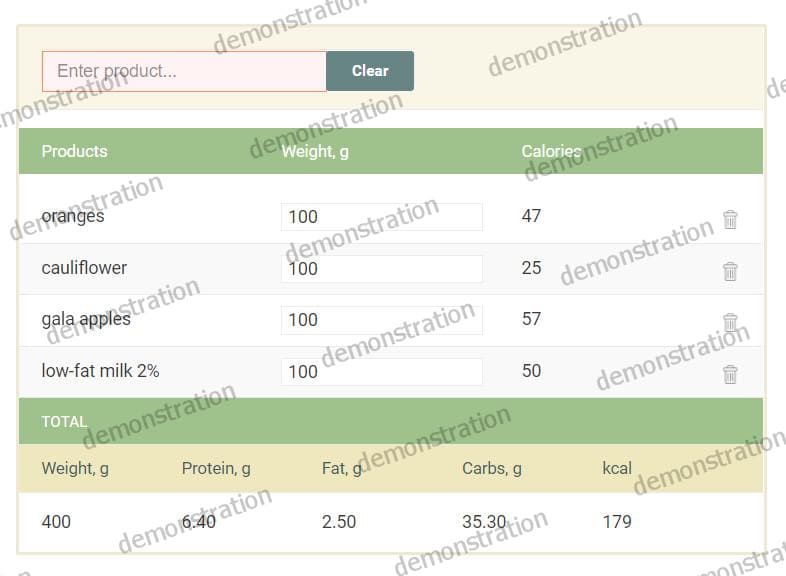
Use the «Food Nutrition Calculator» to find the calorie-count of over 14,000 different meals and foods quickly and easily.
Food Calorie Calculator
Screenshot
Use the weight converter to convert pounds to kilograms, ounces to grams and other metric to imperial weight conversions. Enter the weight in one of the text boxes and press the Convert button:
You can use the Calorie Calculator:
Screenshot
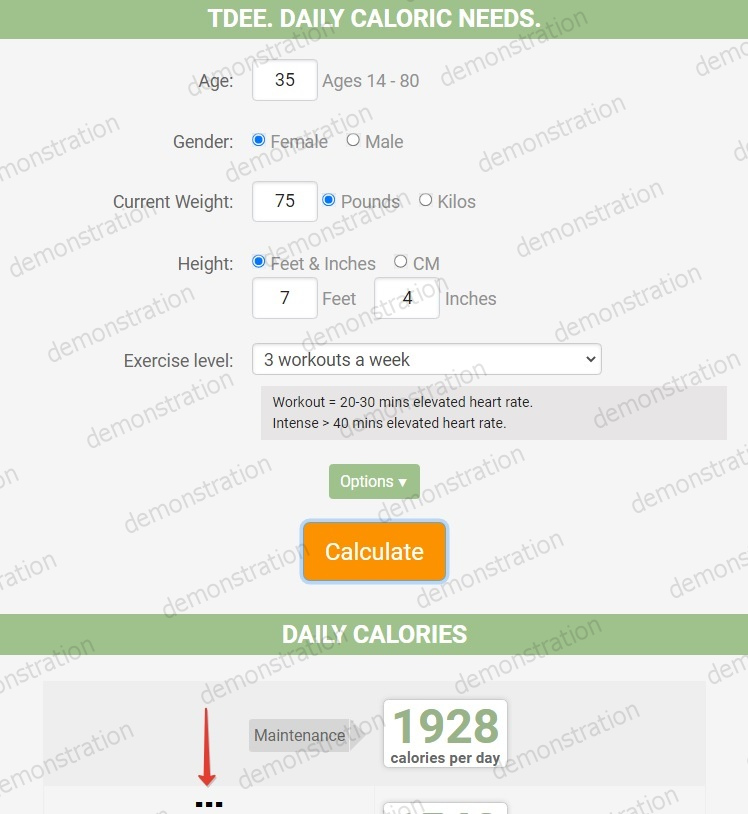
The Calorie Calculator for Weight Loss can help you determine how many calories you need to consume each day.
