


Banana, Raw: Complete Nutrition Facts and Health Benefits
Bananas are among the world’s most popular fruits, beloved for their natural sweetness, convenience, and impressive nutritional profile. A 100-gram serving of raw banana contains 89 calories and offers a rich blend of essential nutrients that support overall health and wellness.
| Name | Amount | Unit |
|---|---|---|
| Water | 74.9 | g |
| Energy | 89 | kcal |
| Protein | 1.09 | g |
| Total lipid (fat) | 0.33 | g |
| Carbohydrate, by difference | 22.8 | g |
| Fiber, total dietary | 2.6 | g |
| Sugars, total including NLEA | 12.2 | g |
| Calcium, Ca | 5 | mg |
| Iron, Fe | 0.26 | mg |
| Magnesium, Mg | 27 | mg |
| Phosphorus, P | 22 | mg |
| Potassium, K | 358 | mg |
| Sodium, Na | 1 | mg |
| Zinc, Zn | 0.15 | mg |
| Copper, Cu | 0.078 | mg |
| Selenium, Se | 1 | µg |
| Vitamin C, total ascorbic acid | 8.7 | mg |
| Thiamin | 0.031 | mg |
| Riboflavin | 0.073 | mg |
| Niacin | 0.665 | mg |
| Vitamin B-6 | 0.367 | mg |
| Folate, total | 20 | µg |
| Folic acid | 0 | µg |
| Folate, food | 20 | µg |
| Folate, DFE | 20 | µg |
| Choline, total | 9.8 | mg |
| Vitamin B-12 | 0 | µg |
| Vitamin B-12, added | 0 | µg |
| Vitamin A, RAE | 3 | µg |
| Retinol | 0 | µg |
| Carotene, beta | 26 | µg |
| Carotene, alpha | 25 | µg |
| Cryptoxanthin, beta | 0 | µg |
| Lycopene | 0 | µg |
| Lutein + zeaxanthin | 22 | µg |
| Vitamin E (alpha-tocopherol) | 0.1 | mg |
| Vitamin E, added | 0 | mg |
| Vitamin D (D2 + D3) | 0 | µg |
| Vitamin K (phylloquinone) | 0.5 | µg |
| Fatty acids, total saturated | 0.112 | g |
| SFA 4:0 | 0 | g |
| SFA 6:0 | 0 | g |
| SFA 8:0 | 0 | g |
| SFA 10:0 | 0.001 | g |
| SFA 12:0 | 0.002 | g |
| SFA 14:0 | 0.002 | g |
| SFA 16:0 | 0.102 | g |
| SFA 18:0 | 0.005 | g |
| Fatty acids, total monounsaturated | 0.032 | g |
| MUFA 16:1 | 0.01 | g |
| MUFA 18:1 | 0.022 | g |
| MUFA 20:1 | 0 | g |
| MUFA 22:1 | 0 | g |
| Fatty acids, total polyunsaturated | 0.073 | g |
| PUFA 18:2 | 0.046 | g |
| PUFA 18:3 | 0.027 | g |
| PUFA 18:4 | 0 | g |
| PUFA 20:4 | 0 | g |
| PUFA 2:5 n-3 (EPA) | 0 | g |
| PUFA 22:5 n-3 (DPA) | 0 | g |
| PUFA 22:6 n-3 (DHA) | 0 | g |
| Cholesterol | 0 | mg |
| Alcohol, ethyl | 0 | g |
| Caffeine | 0 | mg |
| Theobromine | 0 | mg |
Macronutrient Composition
Raw bananas provide a balanced mix of macronutrients, with carbohydrates as the primary energy source. Each 100-gram serving contains 22.8 grams of carbohydrates, including 12.2 grams of natural sugars and 2.6 grams of dietary fiber. The protein content is modest at 1.09 grams, while fat is minimal at just 0.33 grams, making bananas an excellent choice for low-fat diets.
With a water content of 74.9 grams per 100 grams, bananas contribute to daily hydration needs while providing sustained energy through their carbohydrate content.
Vitamin Content
Bananas are particularly notable for their vitamin B6 content, providing 0.367 milligrams per 100 grams. This B vitamin plays a crucial role in protein metabolism, cognitive development, and immune function. The fruit also delivers 8.7 milligrams of vitamin C, supporting immune health and collagen production.
Other B vitamins present include thiamin (0.031 mg), riboflavin (0.073 mg), and niacin (0.665 mg), which collectively support energy metabolism and nervous system function. Bananas also contain 20 micrograms of folate, important for cell division and DNA synthesis.
Mineral Profile
Perhaps the most celebrated nutrient in bananas is potassium, with an impressive 358 milligrams per 100 grams. This essential mineral helps regulate blood pressure, supports heart health, and maintains proper muscle and nerve function. Magnesium, at 27 milligrams, works alongside potassium to support cardiovascular health and muscle relaxation.
Additional minerals include phosphorus (22 mg), calcium (5 mg), iron (0.26 mg), and zinc (0.15 mg). Trace minerals such as copper (0.078 mg) and selenium (1 µg) round out the mineral content, contributing to various metabolic processes.
Antioxidants and Phytonutrients
Raw bananas contain several beneficial plant compounds with antioxidant properties. Beta-carotene (26 µg) and alpha-carotene (25 µg) are precursors to vitamin A, supporting eye health and immune function. The fruit also provides lutein and zeaxanthin (22 µg combined), which are particularly important for maintaining healthy vision.
Vitamin E (0.1 mg) and vitamin K (0.5 µg) contribute additional antioxidant protection and support blood clotting and bone health, respectively.
Fatty Acid Composition
Though bananas are naturally low in fat, they contain a small amount of beneficial fatty acids. The total fat content of 0.33 grams includes 0.112 grams of saturated fatty acids, 0.032 grams of monounsaturated fatty acids, and 0.073 grams of polyunsaturated fatty acids. Notably, bananas contain no cholesterol, making them heart-healthy.
Health Benefits
The nutritional composition of bananas supports numerous health benefits. The high potassium and low sodium content (just 1 mg per 100 g) makes them excellent for cardiovascular health. The fiber content aids digestive health and promotes feelings of fullness, while the natural sugars provide quick energy for physical activity.
The combination of vitamins, minerals, and antioxidants in bananas supports immune function, helps maintain healthy skin, and may reduce the risk of chronic diseases. Additionally, the vitamin B6 content supports neurotransmitter production, potentially benefiting mood and cognitive function.
Practical Considerations
At 89 calories per 100 grams, bananas offer substantial nutrition without excessive caloric intake. They’re naturally free of caffeine, theobromine, and alcohol, making them suitable for all ages and dietary restrictions. The absence of added sugars, folic acid, or vitamin B-12 means all nutrients are naturally occurring.
Whether eaten as a convenient snack, blended into smoothies, or incorporated into recipes, raw bananas provide an accessible way to boost daily nutrient intake. Their natural packaging and portability make them ideal for on-the-go nutrition.
Nutrition facts provided by the United States Department of Agriculture (USDA). Data represents raw banana per 100-gram serving. Individual nutritional needs may vary based on age, gender, activity level, and health status. Consult with a healthcare provider or registered dietitian for personalized nutrition advice.
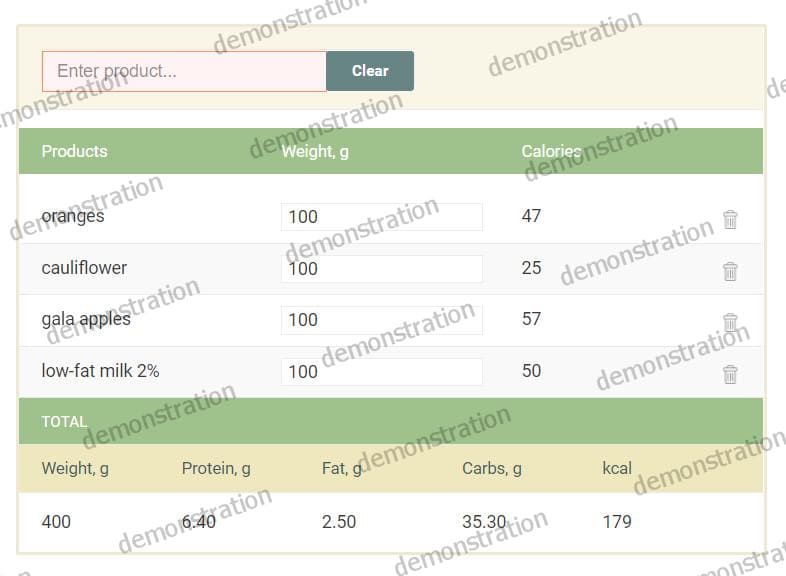
Use the «Food Nutrition Calculator» to find the calorie-count of over 14,000 different meals and foods quickly and easily.
Food Calorie Calculator
Screenshot
Use the weight converter to convert pounds to kilograms, ounces to grams and other metric to imperial weight conversions. Enter the weight in one of the text boxes and press the Convert button:
You can use the Calorie Calculator:
Screenshot
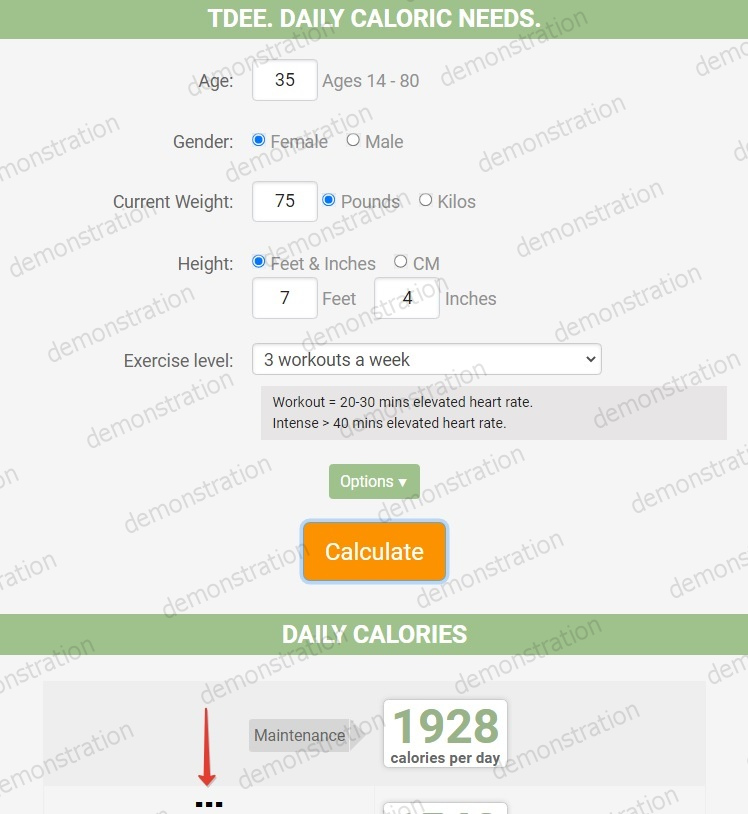
The Calorie Calculator for Weight Loss can help you determine how many calories you need to consume each day.

