


Beef Brain, Raw: Complete Nutrition Facts and Health Information
Protein
Fats
Carbs
kcal
Protein
Fats
Carbs
kcal
Overview of Beef Brain as a Nutritious Organ Meat
Beef brain is an organ meat that has been consumed across various cultures for centuries, valued for its unique nutritional profile and delicate texture. While it may not be a common choice in modern Western diets, this nutrient-dense food offers significant amounts of essential vitamins, minerals, and beneficial fats. As with all organ meats, beef brain provides concentrated nutrition but should be consumed thoughtfully as part of a balanced eating plan.
| Name | Amount | Unit |
|---|---|---|
| Water | 76.3 | g |
| Energy | 143 | kcal |
| Energy | 600 | kJ |
| Protein | 10.9 | g |
| Total lipid (fat) | 10.3 | g |
| Ash | 1.51 | g |
| Carbohydrate, by difference | 1.05 | g |
| Fiber, total dietary | 0 | g |
| Sugars, total including NLEA | 0 | g |
| Calcium, Ca | 43 | mg |
| Iron, Fe | 2.55 | mg |
| Magnesium, Mg | 13 | mg |
| Phosphorus, P | 362 | mg |
| Potassium, K | 274 | mg |
| Sodium, Na | 126 | mg |
| Zinc, Zn | 1.02 | mg |
| Copper, Cu | 0.287 | mg |
| Manganese, Mn | 0.026 | mg |
| Selenium, Se | 21.3 | µg |
| Vitamin C, total ascorbic acid | 10.7 | mg |
| Thiamin | 0.092 | mg |
| Riboflavin | 0.199 | mg |
| Niacin | 3.55 | mg |
| Pantothenic acid | 2.01 | mg |
| Vitamin B-6 | 0.226 | mg |
| Folate, total | 3 | µg |
| Folic acid | 0 | µg |
| Folate, food | 3 | µg |
| Folate, DFE | 3 | µg |
| Vitamin B-12 | 9.51 | µg |
| Vitamin A, RAE | 7 | µg |
| Retinol | 0 | µg |
| Carotene, beta | 88 | µg |
| Carotene, alpha | 0 | µg |
| Cryptoxanthin, beta | 0 | µg |
| Vitamin A, IU | 147 | IU |
| Lycopene | 0 | µg |
| Lutein + zeaxanthin | 0 | µg |
| Vitamin E (alpha-tocopherol) | 0.99 | mg |
| Tocopherol, beta | 0 | mg |
| Tocopherol, gamma | 0.05 | mg |
| Tocopherol, delta | 0 | mg |
| Tocotrienol, alpha | 0 | mg |
| Tocotrienol, beta | 0 | mg |
| Tocotrienol, gamma | 0 | mg |
| Tocotrienol, delta | 0 | mg |
| Vitamin K (phylloquinone) | 0 | µg |
| Fatty acids, total saturated | 2.3 | g |
| SFA 4:0 | 0 | g |
| SFA 6:0 | 0 | g |
| SFA 8:0 | 0 | g |
| SFA 10:0 | 0 | g |
| SFA 12:0 | 0 | g |
| SFA 14:0 | 0.026 | g |
| SFA 15:0 | 0 | g |
| SFA 16:0 | 0.919 | g |
| SFA 17:0 | 0.031 | g |
| SFA 18:0 | 1.27 | g |
| SFA 20:0 | 0.017 | g |
| SFA 22:0 | 0.034 | g |
| Fatty acids, total monounsaturated | 1.89 | g |
| MUFA 14:1 | 0 | g |
| MUFA 15:1 | 0 | g |
| MUFA 16:1 | 0.021 | g |
| MUFA 18:1 | 1.65 | g |
| MUFA 20:1 | 0.222 | g |
| MUFA 22:1 | 0 | g |
| Fatty acids, total polyunsaturated | 1.59 | g |
| PUFA 18:2 | 0.041 | g |
| PUFA 18:3 | 0 | g |
| PUFA 18:3 n-3 c,c,c (ALA) | 0 | g |
| PUFA 18:3 n-6 c,c,c | 0 | g |
| PUFA 18:4 | 0 | g |
| PUFA 20:2 n-6 c,c | 0 | g |
| PUFA 20:3 | 0 | g |
| PUFA 20:4 | 0.319 | g |
| PUFA 20:5 n-3 (EPA) | 0 | g |
| PUFA 22:5 n-3 (DPA) | 0.374 | g |
| PUFA 22:6 n-3 (DHA) | 0.851 | g |
| Fatty acids, total trans | 0.61 | g |
| Cholesterol | 3010 | mg |
| Alcohol, ethyl | 0 | g |
| Caffeine | 0 | mg |
| Theobromine | 0 | mg |
Nutrition Facts for Raw Beef Brain
Per 100 Grams (3.5 oz)
- Calories: 143 kcal
- Protein: 10.9 g
- Total Fat: 10.3 g
- Carbohydrates: 1.05 g
Per 1 Ounce (28 g)
- Calories: 41 kcal
- Protein: 3.08 g
- Total Fat: 2.92 g
- Carbohydrates: 0.3 g
Per 1 Pound (454 g)
- Calories: 649 kcal
- Protein: 49.26 g
- Total Fat: 46.72 g
- Carbohydrates: 4.76 g
Macronutrient Breakdown
Beef brain presents a balanced macronutrient profile that sets it apart from muscle meats. With approximately 10.9 grams of protein per 100 grams, it provides a moderate protein contribution. The fat content of 10.3 grams includes beneficial omega-3 fatty acids, particularly DHA (docosahexaenoic acid), which is crucial for brain health and cognitive function. The minimal carbohydrate content of just over 1 gram makes beef brain suitable for low-carbohydrate dietary approaches.
Micronutrient Richness
Beyond its macronutrient profile, beef brain is exceptionally rich in several important micronutrients. It serves as an excellent source of vitamin B12, which is essential for neurological function and red blood cell formation. The organ meat also provides substantial amounts of copper, selenium, and phosphorus. Additionally, beef brain contains choline, a nutrient vital for liver function, brain development, and cellular membrane integrity.
Cholesterol Content and Health Considerations
One of the most notable characteristics of beef brain is its high cholesterol content. A 100-gram serving can contain over 2,000 milligrams of cholesterol, which significantly exceeds the daily recommended limits suggested by many health organizations. While dietary cholesterol’s impact on blood cholesterol levels varies among individuals, those with cardiovascular concerns or cholesterol management issues should exercise particular caution with this food.
For healthy individuals, moderate consumption of beef brain may be incorporated into a varied diet, but it should not be a regular staple. Consulting with a healthcare provider or registered dietitian is advisable before adding this organ meat to your dietary routine, especially if you have existing health conditions.
Culinary Uses and Preparation
Across different cuisines, beef brain has been prepared in various traditional ways. In French cuisine, cervelle de veau (calf’s brain) is often poached and served with brown butter sauce. Mexican cuisine features tacos de sesos, while Middle Eastern and South Asian preparations include curries and fried brain dishes. Proper handling and thorough cooking are essential for food safety when preparing any organ meat.
Who Might Benefit from Beef Brain?
Individuals following nose-to-tail eating philosophies or seeking to maximize nutrient density in their diets may find value in incorporating small amounts of beef brain. The high DHA content particularly appeals to those looking to support cognitive health through dietary means. However, given the cholesterol considerations, portion control and infrequent consumption are key principles for most people.
The Bottom Line
Beef brain represents a unique category of nutrient-dense organ meat that offers significant amounts of protein, beneficial fats including omega-3s, and essential vitamins and minerals. While its nutritional benefits are notable, the exceptionally high cholesterol content necessitates moderation and mindful consumption. As part of a balanced and varied diet, occasional inclusion of beef brain can contribute to overall nutrient intake, but it should be approached with awareness of both its benefits and limitations. Individual health status, dietary goals, and medical guidance should all inform decisions about incorporating this traditional food into modern eating patterns.
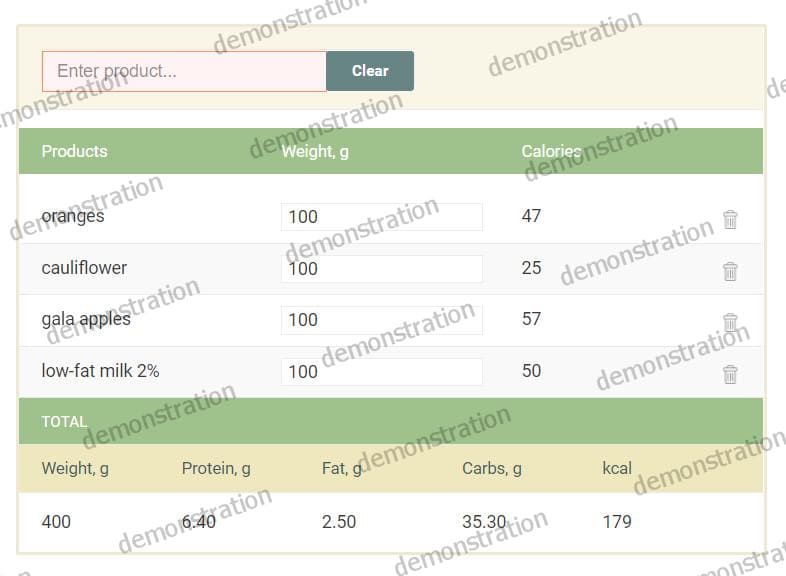
Use the «Food Nutrition Calculator» to find the calorie-count of over 14,000 different meals and foods quickly and easily.
Food Calorie Calculator
Screenshot
Use the weight converter to convert pounds to kilograms, ounces to grams and other metric to imperial weight conversions. Enter the weight in one of the text boxes and press the Convert button:
You can use the Calorie Calculator:
Screenshot
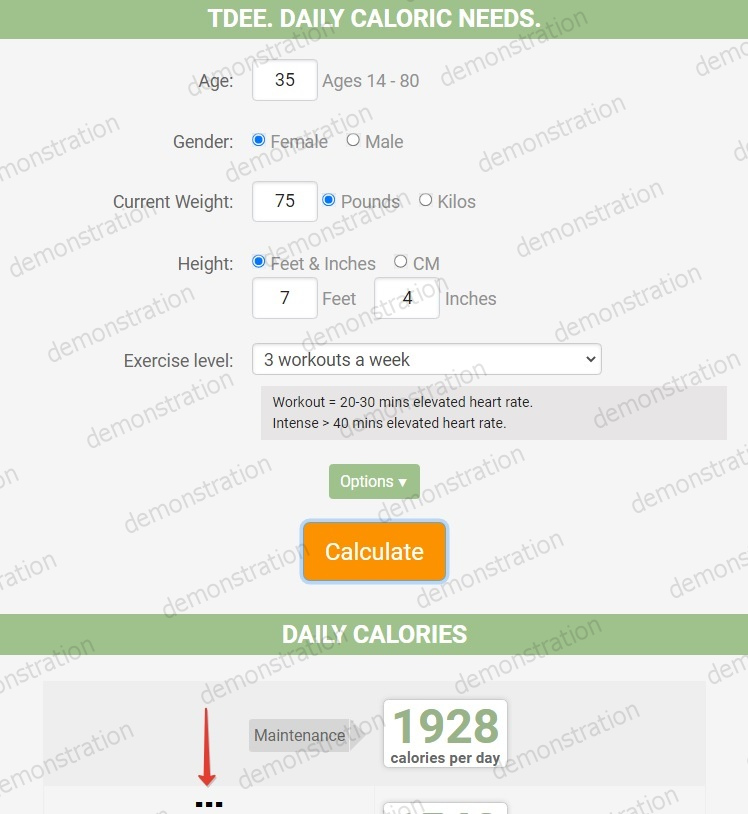
The Calorie Calculator for Weight Loss can help you determine how many calories you need to consume each day.
