


Beef Flank, Raw: Nutrition Facts and Calorie Information
Protein
Fats
Carbs
kcal
Protein
Fats
Carbs
kcal
Beef flank is a lean, flavorful cut taken from the abdominal muscles of the cow. Known for its distinctive grain and robust beefy taste, this cut has become increasingly popular among health-conscious consumers due to its impressive protein content and relatively moderate fat levels. Understanding the nutritional profile of raw beef flank can help you make informed dietary choices whether you’re tracking macros, building muscle, or simply seeking quality protein sources.
| Name | Amount | Unit |
|---|---|---|
| Water | 71.8 | g |
| Energy | 155 | kcal |
| Energy | 649 | kJ |
| Protein | 21.22 | g |
| Total lipid (fat) | 7.17 | g |
| Ash | 0.93 | g |
| Carbohydrate, by difference | 0 | g |
| Fiber, total dietary | 0 | g |
| Sugars, total including NLEA | 0 | g |
| Calcium, Ca | 4 | mg |
| Iron, Fe | 1.53 | mg |
| Magnesium, Mg | 19 | mg |
| Phosphorus, P | 171 | mg |
| Potassium, K | 323 | mg |
| Sodium, Na | 46 | mg |
| Zinc, Zn | 4.19 | mg |
| Copper, Cu | 0.044 | mg |
| Manganese, Mn | 0.006 | mg |
| Selenium, Se | 3.4 | µg |
| Vitamin C, total ascorbic acid | 0 | mg |
| Thiamin | 0.035 | mg |
| Riboflavin | 0.08 | mg |
| Niacin | 4.59 | mg |
| Pantothenic acid | 0.138 | mg |
| Vitamin B-6 | 0.2 | mg |
| Vitamin B-12 | 1.51 | µg |
| Vitamin B-12, added | 0 | µg |
| Vitamin A, RAE | 8 | µg |
| Retinol | 8 | µg |
| Carotene, beta | 0 | µg |
| Carotene, alpha | 0 | µg |
| Cryptoxanthin, beta | 0 | µg |
| Vitamin A, IU | 25 | IU |
| Lycopene | 0 | µg |
| Lutein + zeaxanthin | 0 | µg |
| Vitamin E (alpha-tocopherol) | 0.33 | mg |
| Vitamin E, added | 0 | mg |
| Vitamin D (D2 + D3), International Units | 6 | IU |
| Vitamin D (D2 + D3) | 0.1 | µg |
| Vitamin D3 (cholecalciferol) | 0.1 | µg |
| Fatty acids, total saturated | 3.29 | g |
| SFA 4:0 | 0 | g |
| SFA 6:0 | 0 | g |
| SFA 8:0 | 0 | g |
| SFA 10:0 | 0.004 | g |
| SFA 12:0 | 0.005 | g |
| SFA 14:0 | 0.199 | g |
| SFA 16:0 | 1.77 | g |
| SFA 17:0 | 0.109 | g |
| SFA 18:0 | 1.19 | g |
| SFA 20:0 | 0.009 | g |
| SFA 22:0 | 0.004 | g |
| SFA 24:0 | 0.001 | g |
| Fatty acids, total monounsaturated | 2.89 | g |
| MUFA 14:1 | 0.046 | g |
| MUFA 15:1 | 0.002 | g |
| MUFA 16:1 | 0.24 | g |
| MUFA 16:1 c | 0.217 | g |
| MUFA 17:1 | 0 | g |
| MUFA 18:1 | 2.59 | g |
| MUFA 18:1 c | 2.43 | g |
| MUFA 20:1 | 0.008 | g |
| MUFA 22:1 | 0 | g |
| MUFA 22:1 c | 0 | g |
| MUFA 24:1 c | 0.002 | g |
| Fatty acids, total polyunsaturated | 0.23 | g |
| PUFA 18:2 | 0.116 | g |
| PUFA 18:2 n-6 c,c | 0.073 | g |
| PUFA 18:2 CLAs | 0.042 | g |
| PUFA 18:3 | 0.055 | g |
| PUFA 18:3 n-3 c,c,c (ALA) | 0.053 | g |
| PUFA 18:3 n-6 c,c,c | 0.002 | g |
| PUFA 18:4 | 0 | g |
| PUFA 20:2 n-6 c,c | 0.002 | g |
| PUFA 20:3 | 0.008 | g |
| PUFA 20:3 n-3 | 0.001 | g |
| PUFA 20:4 n-6 | 0.007 | g |
| PUFA 20:4 | 0.017 | g |
| PUFA 2:4 n-6 | 0.017 | g |
| PUFA 20:5 n-3 (EPA) | 0.009 | g |
| PUFA 22:5 n-3 (DPA) | 0.016 | g |
| PUFA 22:6 n-3 (DHA) | 0.001 | g |
| Fatty acids, total trans | 0.186 | g |
| Fatty acids, total trans-monoenoic | 0.185 | g |
| TFA 16:1 t | 0.023 | g |
| TFA 18:1 t | 0.162 | g |
| TFA 18:2 t,t | 0.001 | g |
| Fatty acids, total trans-polyenoic | 0.001 | g |
| Cholesterol | 49 | mg |
| Tryptophan | 0.211 | g |
| Threonine | 0.728 | g |
| Isoleucine | 0.836 | g |
| Leucine | 1.52 | g |
| Lysine | 1.59 | g |
| Methionine | 0.662 | g |
| Phenylalanine | 0.782 | g |
| Tyrosine | 0.677 | g |
| Valine | 0.888 | g |
| Arginine | 1.32 | g |
| Histidine | 0.725 | g |
| Alanine | 1.05 | g |
| Glutamic acid | 2.8 | g |
| Glycine | 1.1 | g |
| Proline | 0.646 | g |
| Serine | 0.707 | g |
| Alcohol, ethyl | 0 | g |
| Caffeine | 0 | mg |
| Theobromine | 0 | mg |
Nutritional Overview
Raw beef flank stands out as a protein powerhouse with a favorable macronutrient balance. Per 100-gram serving, this cut delivers 155 calories with zero carbohydrates, making it an excellent choice for low-carb and ketogenic diets. The high protein content supports muscle maintenance and growth, while the moderate fat content provides essential fatty acids and contributes to satiety.
Calories and Macronutrients per 100 Grams
A standard 100-gram portion of raw beef flank contains:
- Calories: 155 kcal
- Protein: 21.22 grams
- Fat: 7.17 grams
- Carbohydrates: 0.0 grams
This macronutrient distribution translates to approximately 55% of calories from protein, 45% from fat, and no carbohydrates. The protein-to-fat ratio makes beef flank leaner than many other beef cuts, positioning it as a smart choice for those monitoring their fat intake while maximizing protein consumption.
Calories and Macronutrients per Ounce
For those who prefer imperial measurements, one ounce (approximately 28 grams) of raw beef flank provides:
- Calories: 44 kcal
- Protein: 6.02 grams
- Fat: 2.03 grams
- Carbohydrates: 0.0 grams
This portion size is useful for precise meal planning and can help you accurately track your nutritional intake throughout the day.
Calories and Macronutrients per Pound
When purchasing beef flank in larger quantities, it’s helpful to know that one pound (453.6 grams) contains:
- Calories: 703 kcal
- Protein: 96.25 grams
- Fat: 32.52 grams
- Carbohydrates: 0.0 grams
A pound of beef flank can serve multiple people or provide several meal prep portions, making it both economical and nutritionally valuable for weekly planning.
Protein Quality and Benefits
Beef flank delivers complete, high-quality protein containing all nine essential amino acids your body cannot produce on its own. With over 21 grams of protein per 100 grams, this cut efficiently supports muscle repair, immune function, and enzyme production. The bioavailability of beef protein is exceptionally high, meaning your body can readily absorb and utilize these amino acids for various physiological processes.
Athletes, bodybuilders, and anyone engaged in regular physical activity can particularly benefit from beef flank’s protein density, as it aids in recovery and helps maintain lean muscle mass. The absence of carbohydrates also means the protein comes without additional sugars or starches that might affect blood glucose levels.
Fat Content and Composition
At 7.17 grams of fat per 100 grams, beef flank contains less fat than fattier cuts like ribeye or short rib. While the fat provides flavor and helps with the absorption of fat-soluble vitamins, the moderate amount makes this cut suitable for those managing their overall fat intake. Beef fat includes both saturated and monounsaturated fats, along with small amounts of polyunsaturated fats and omega-3 fatty acids, particularly if the cattle were grass-fed.
Micronutrient Profile
Beyond macronutrients, raw beef flank is rich in essential vitamins and minerals. It provides significant amounts of B vitamins, particularly B12, which is crucial for nerve function and red blood cell formation and is found almost exclusively in animal products. Beef flank also supplies iron in its highly absorbable heme form, zinc for immune function, selenium as an antioxidant, and phosphorus for bone health.
Culinary Applications
While these nutritional values represent raw beef flank, cooking methods will affect the final nutritional content. Grilling, broiling, or pan-searing are popular preparation methods that help preserve the meat’s nutritional value while enhancing its flavor. Due to its tough muscle fibers, flank steak benefits from marinating and should be sliced against the grain for optimal tenderness. Keep in mind that cooking will cause some moisture loss, concentrating the nutrients per gram of cooked meat.
Diet Compatibility
Beef flank’s nutritional profile makes it compatible with numerous dietary approaches. The zero-carbohydrate content fits perfectly into ketogenic, low-carb, and carnivore diets. The high protein and moderate calories support weight loss efforts and bodybuilding goals. For paleo dieters, beef flank represents a whole-food protein source consistent with evolutionary eating principles. Those following gluten-free diets can also enjoy beef flank without concern.
Portion Considerations
A typical serving size of cooked beef flank ranges from 3 to 4 ounces (85-113 grams), which would provide approximately 18-24 grams of protein from the raw weight. When planning meals, consider that beef shrinks during cooking due to moisture loss, so you may want to start with slightly more raw weight than your target cooked portion. For balanced meals, pair beef flank with nutrient-dense vegetables and healthy fats to create a complete nutritional profile.
Storage and Food Safety
Raw beef flank should be stored in the coldest part of your refrigerator and used within 3-5 days of purchase, or frozen for longer storage. Always handle raw beef with clean utensils and surfaces to prevent cross-contamination. The USDA recommends cooking beef to an internal temperature of at least 145°F (63°C) followed by a three-minute rest time, though many prefer medium-rare flank steak for optimal tenderness and flavor.
Conclusion
Raw beef flank offers an excellent nutritional profile for those seeking a lean, protein-rich meat option. With 155 calories and over 21 grams of protein per 100 grams, it provides substantial nutritional value without excessive fat or any carbohydrates. Whether you’re an athlete looking to support muscle growth, someone following a low-carb lifestyle, or simply a beef enthusiast who appreciates a flavorful cut, beef flank delivers on both taste and nutrition. Understanding these nutritional facts empowers you to incorporate this versatile cut into your meal planning with confidence and precision.
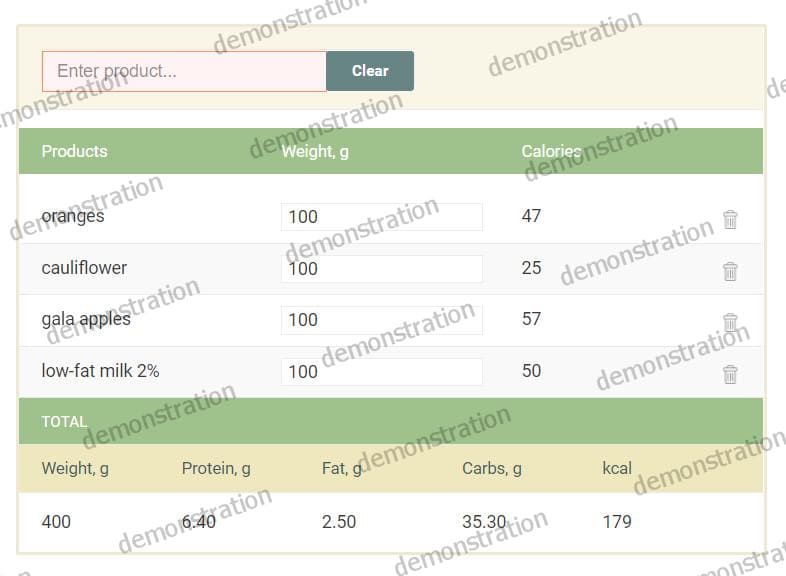
Use the «Food Nutrition Calculator» to find the calorie-count of over 14,000 different meals and foods quickly and easily.
Food Calorie Calculator
Screenshot
Use the weight converter to convert pounds to kilograms, ounces to grams and other metric to imperial weight conversions. Enter the weight in one of the text boxes and press the Convert button:
You can use the Calorie Calculator:
Screenshot
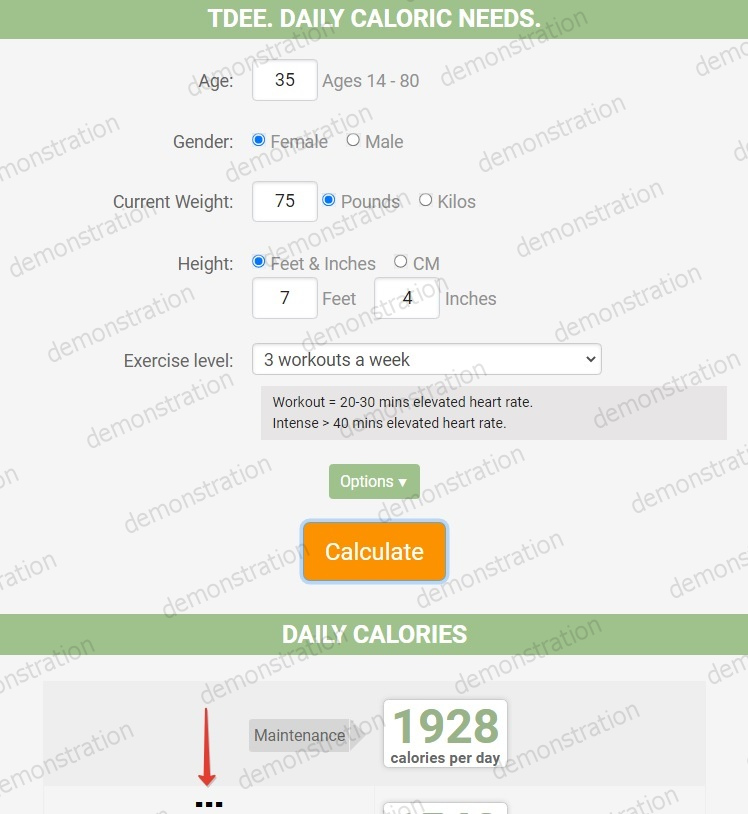
The Calorie Calculator for Weight Loss can help you determine how many calories you need to consume each day.
