


Beef Heart, Raw, Nutrition Facts
Protein
Fats
Carbs
kcal
Protein
Fats
Carbs
kcal
Beef heart is one of the most underrated and nutritious organ meats available, offering an impressive protein-to-calorie ratio and a wealth of essential nutrients. Despite being overlooked in many Western diets, this muscle meat has been prized by traditional cultures for centuries as a powerful source of nutrition.
| Name | Amount | Unit |
|---|---|---|
| Water | 77.1 | g |
| Energy | 112 | kcal |
| Energy | 467 | kJ |
| Protein | 17.7 | g |
| Total lipid (fat) | 3.94 | g |
| Ash | 1.1 | g |
| Carbohydrate, by difference | 0.14 | g |
| Fiber, total dietary | 0 | g |
| Sugars, total including NLEA | 0 | g |
| Calcium, Ca | 7 | mg |
| Iron, Fe | 4.31 | mg |
| Magnesium, Mg | 21 | mg |
| Phosphorus, P | 212 | mg |
| Potassium, K | 287 | mg |
| Sodium, Na | 98 | mg |
| Zinc, Zn | 1.7 | mg |
| Copper, Cu | 0.396 | mg |
| Manganese, Mn | 0.035 | mg |
| Selenium, Se | 21.8 | µg |
| Vitamin C, total ascorbic acid | 2 | mg |
| Thiamin | 0.238 | mg |
| Riboflavin | 0.906 | mg |
| Niacin | 7.53 | mg |
| Pantothenic acid | 1.79 | mg |
| Vitamin B-6 | 0.279 | mg |
| Folate, total | 3 | µg |
| Folic acid | 0 | µg |
| Folate, food | 3 | µg |
| Folate, DFE | 3 | µg |
| Vitamin B-12 | 8.55 | µg |
| Vitamin A, RAE | 0 | µg |
| Retinol | 0 | µg |
| Carotene, beta | 0 | µg |
| Carotene, alpha | 0 | µg |
| Cryptoxanthin, beta | 0 | µg |
| Vitamin A, IU | 0 | IU |
| Lycopene | 17 | µg |
| Lutein + zeaxanthin | 0 | µg |
| Vitamin E (alpha-tocopherol) | 0.22 | mg |
| Tocopherol, beta | 0 | mg |
| Tocopherol, gamma | 0.02 | mg |
| Tocopherol, delta | 0 | mg |
| Tocotrienol, alpha | 0 | mg |
| Tocotrienol, beta | 0 | mg |
| Tocotrienol, gamma | 0 | mg |
| Tocotrienol, delta | 0 | mg |
| Vitamin K (phylloquinone) | 0 | µg |
| Fatty acids, total saturated | 1.38 | g |
| SFA 4:0 | 0 | g |
| SFA 6:0 | 0 | g |
| SFA 8:0 | 0 | g |
| SFA 10:0 | 0 | g |
| SFA 12:0 | 0 | g |
| SFA 14:0 | 0.067 | g |
| SFA 15:0 | 0.016 | g |
| SFA 16:0 | 0.621 | g |
| SFA 17:0 | 0.051 | g |
| SFA 18:0 | 0.623 | g |
| SFA 20:0 | 0.005 | g |
| SFA 22:0 | 0 | g |
| Fatty acids, total monounsaturated | 1.14 | g |
| MUFA 14:1 | 0.007 | g |
| MUFA 15:1 | 0 | g |
| MUFA 16:1 | 0.059 | g |
| MUFA 18:1 | 1.06 | g |
| MUFA 20:1 | 0.011 | g |
| MUFA 22:1 | 0 | g |
| Fatty acids, total polyunsaturated | 0.546 | g |
| PUFA 18:2 | 0.395 | g |
| PUFA 18:3 | 0.016 | g |
| PUFA 18:3 n-3 c,c,c (ALA) | 0.011 | g |
| PUFA 18:3 n-6 c,c,c | 0.005 | g |
| PUFA 18:4 | 0 | g |
| PUFA 20:2 n-6 c,c | 0.007 | g |
| PUFA 20:3 | 0 | g |
| PUFA 20:4 | 0.128 | g |
| PUFA 20:5 n-3 (EPA) | 0 | g |
| PUFA 22:5 n-3 (DPA) | 0 | g |
| PUFA 22:6 n-3 (DHA) | 0 | g |
| Fatty acids, total trans | 0.18 | g |
| Cholesterol | 124 | mg |
| Alcohol, ethyl | 0 | g |
| Caffeine | 0 | mg |
| Theobromine | 0 | mg |
Nutritional Profile of Raw Beef Heart
Per 100 Grams (3.5 oz)
- Calories: 112 kcal
- Protein: 17.7 g
- Fat: 3.94 g
- Carbohydrates: 0.14 g
Per 1 Ounce (28g)
- Calories: 32 kcal
- Protein: 5.02 g
- Fat: 1.12 g
- Carbohydrates: 0.04 g
Per 1 Pound (454g)
- Calories: 508 kcal
- Protein: 80.38 g
- Fat: 17.87 g
- Carbohydrates: 0.64 g
Why Beef Heart is Exceptionally Nutritious
Beef heart stands out among both conventional cuts of beef and other organ meats for several compelling reasons. With only 112 calories per 100 grams and an impressive 17.7 grams of protein, it delivers one of the best protein-to-calorie ratios available in any meat product. This makes it an ideal choice for those seeking to increase protein intake while managing calorie consumption.
The heart is technically a muscle, which means it has a texture and flavor profile more similar to regular steak than to other organ meats like liver or kidneys. This makes it more approachable for those new to eating organ meats, while still providing many of the nutritional benefits associated with offal.
Key Nutritional Benefits
High-Quality Complete Protein
Beef heart provides all nine essential amino acids your body needs, making it a complete protein source. At nearly 18 grams of protein per 100-gram serving, it rivals or exceeds the protein content of conventional beef cuts while containing significantly less fat.
Rich in B Vitamins
Organ meats, including beef heart, are exceptional sources of B vitamins, particularly B12, B6, niacin, and riboflavin. These vitamins play crucial roles in energy metabolism, nervous system function, and red blood cell formation. A single serving of beef heart can provide a substantial portion of your daily B vitamin requirements.
Excellent Source of CoQ10
Beef heart is one of the richest dietary sources of Coenzyme Q10 (CoQ10), a powerful antioxidant that supports heart health, cellular energy production, and may help reduce oxidative stress. The heart muscle naturally contains high concentrations of CoQ10 due to its constant energy demands.
Iron and Zinc
Like other red meats, beef heart provides highly bioavailable heme iron, which is more easily absorbed by the body than the non-heme iron found in plant sources. It’s also a good source of zinc, essential for immune function, wound healing, and protein synthesis.
Low in Carbohydrates
With only 0.14 grams of carbohydrates per 100 grams, beef heart is an excellent option for low-carb, ketogenic, or carnivore diets.
How Beef Heart Compares to Other Cuts
When compared to conventional beef cuts like ribeye or ground beef, beef heart offers several advantages. It typically contains less total fat and fewer calories while providing comparable or higher protein content. Additionally, beef heart is significantly more affordable than prime cuts, often costing a fraction of the price while delivering superior nutritional value per dollar spent.
Compared to other organ meats like liver, beef heart has a milder flavor and more familiar texture, making it an excellent entry point for those looking to incorporate organ meats into their diet.
Cooking and Preparation Tips
Beef heart requires proper preparation to achieve optimal tenderness and flavor. The key is to remove the tough outer membrane, fat, and any connective tissue before cooking. Once cleaned, beef heart can be prepared using various methods:
Grilling or Pan-Searing: Slice the heart into steaks about half an inch thick and cook quickly over high heat to medium-rare. Overcooking will result in a tough, chewy texture.
Slow Cooking: For a more tender result, beef heart can be braised or slow-cooked in stews, allowing the connective tissue to break down over several hours.
Marinating: Because beef heart is lean, marinating it for several hours or overnight can add moisture and enhance flavor while helping to tenderize the meat.
Ground: Beef heart can be ground and mixed with fattier cuts to create nutrient-dense burgers or meatballs with excellent texture.
Who Should Consider Adding Beef Heart to Their Diet?
Beef heart is particularly beneficial for athletes and active individuals seeking high-quality protein to support muscle recovery and growth. Its high protein and low fat content also makes it valuable for those managing their weight while maintaining muscle mass.
People following ancestral, nose-to-tail, or nutrient-focused diets will appreciate beef heart’s impressive micronutrient profile. The high CoQ10 content may be especially relevant for those interested in supporting cardiovascular health and cellular energy production.
Budget-conscious consumers will find beef heart offers exceptional nutritional value at a fraction of the cost of conventional steaks, making quality protein more accessible.
Sustainability and Ethical Considerations
Consuming organ meats like beef heart aligns with nose-to-tail eating principles, which promote using the entire animal and reducing food waste. When an animal is raised for meat, utilizing all edible parts, including organs, represents a more respectful and efficient use of resources.
Where to Buy Beef Heart
Beef heart is often available at butcher shops, ethnic markets, and some grocery stores with well-stocked meat departments. Many farmers who sell beef directly to consumers include organ meats in their offerings, often at very affordable prices. Online meat suppliers and specialty retailers focused on organ meats are also good sources.
Storage and Food Safety
Like all fresh organ meats, beef heart should be stored in the refrigerator and used within one to two days of purchase, or frozen for longer storage. When frozen properly, beef heart can maintain its quality for several months. Always ensure beef heart is cooked to a safe internal temperature of at least 145°F (63°C) when preparing it.
The Bottom Line
Beef heart represents an exceptional nutritional opportunity that’s often overlooked. With 112 calories and nearly 18 grams of protein per 100-gram serving, minimal carbohydrates, and an impressive array of vitamins and minerals, it delivers remarkable nutritional value. Its high CoQ10 content, abundance of B vitamins, and excellent protein-to-calorie ratio make it a standout choice for health-conscious consumers.
Whether you’re an athlete looking for quality protein, someone following a nutrient-dense diet, or simply interested in exploring sustainable eating practices, beef heart deserves consideration. Its affordability, nutritional density, and versatility in the kitchen make it a valuable addition to a well-rounded diet. While it may require some initial preparation knowledge, the nutritional benefits and cost-effectiveness of this humble organ meat are well worth the effort.
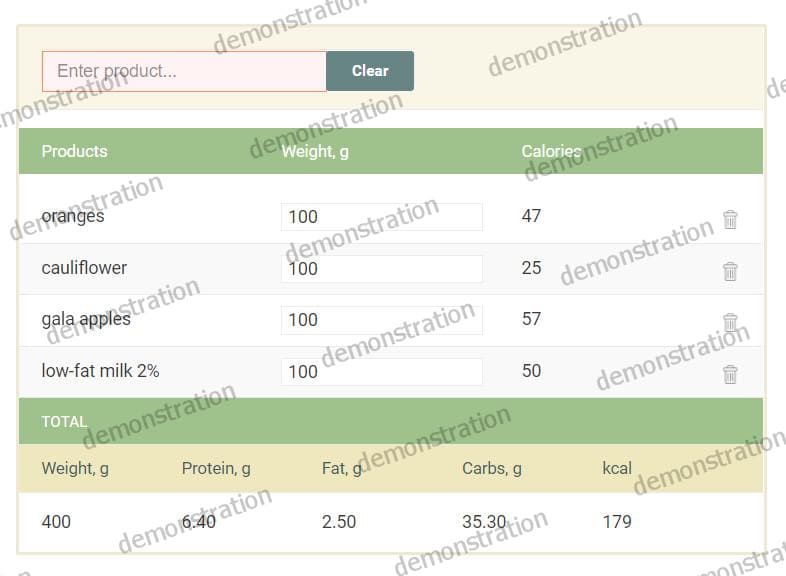
Use the «Food Nutrition Calculator» to find the calorie-count of over 14,000 different meals and foods quickly and easily.
Food Calorie Calculator
Screenshot
Use the weight converter to convert pounds to kilograms, ounces to grams and other metric to imperial weight conversions. Enter the weight in one of the text boxes and press the Convert button:
You can use the Calorie Calculator:
Screenshot
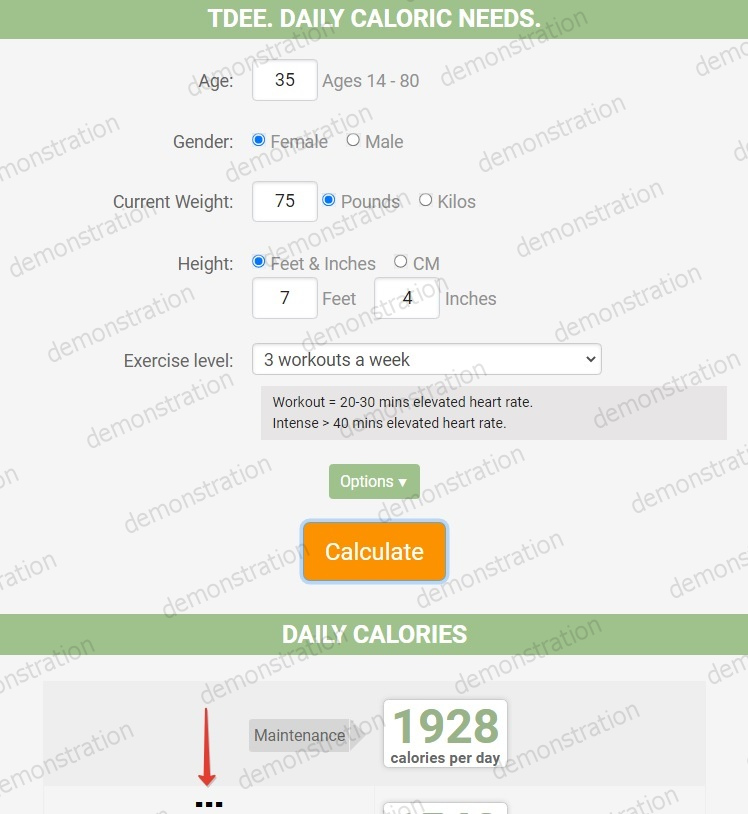
The Calorie Calculator for Weight Loss can help you determine how many calories you need to consume each day.
