


Beef Kidneys, Raw: Complete Nutrition Guide
Protein
Fats
Carbs
kcal
Protein
Fats
Carbs
kcal
Raw beef kidneys are among the most nutritionally dense organ meats available, offering an impressive protein content alongside essential vitamins and minerals. Though less commonly consumed in Western cuisine today, kidneys have been a dietary staple across cultures for centuries, prized for their rich nutritional profile and distinctive flavor.
| Name | Amount | Unit |
|---|---|---|
| Water | 77.9 | g |
| Energy | 103 | kcal |
| Energy | 431 | kJ |
| Protein | 17.4 | g |
| Total lipid (fat) | 3.09 | g |
| Ash | 1.33 | g |
| Carbohydrate, by difference | 0.29 | g |
| Fiber, total dietary | 0 | g |
| Sugars, total including NLEA | 0 | g |
| Calcium, Ca | 13 | mg |
| Iron, Fe | 4.6 | mg |
| Magnesium, Mg | 17 | mg |
| Phosphorus, P | 257 | mg |
| Potassium, K | 262 | mg |
| Sodium, Na | 182 | mg |
| Zinc, Zn | 1.92 | mg |
| Copper, Cu | 0.426 | mg |
| Manganese, Mn | 0.142 | mg |
| Selenium, Se | 141 | µg |
| Vitamin C, total ascorbic acid | 9.4 | mg |
| Thiamin | 0.357 | mg |
| Riboflavin | 2.84 | mg |
| Niacin | 8.03 | mg |
| Pantothenic acid | 3.97 | mg |
| Vitamin B-6 | 0.665 | mg |
| Folate, total | 98 | µg |
| Folic acid | 0 | µg |
| Folate, food | 98 | µg |
| Folate, DFE | 98 | µg |
| Vitamin B-12 | 27.5 | µg |
| Vitamin A, RAE | 419 | µg |
| Retinol | 419 | µg |
| Carotene, beta | 0 | µg |
| Carotene, alpha | 0 | µg |
| Cryptoxanthin, beta | 0 | µg |
| Vitamin A, IU | 1400 | IU |
| Lycopene | 20 | µg |
| Lutein + zeaxanthin | 0 | µg |
| Vitamin E (alpha-tocopherol) | 0.22 | mg |
| Tocopherol, beta | 0 | mg |
| Tocopherol, gamma | 0.02 | mg |
| Tocopherol, delta | 0 | mg |
| Tocotrienol, alpha | 0 | mg |
| Tocotrienol, beta | 0 | mg |
| Tocotrienol, gamma | 0 | mg |
| Tocotrienol, delta | 0 | mg |
| Vitamin D (D2 + D3), International Units | 45 | IU |
| Vitamin D (D2 + D3) | 1.1 | µg |
| Vitamin D3 (cholecalciferol) | 1.1 | µg |
| Vitamin K (phylloquinone) | 0 | µg |
| Fatty acids, total saturated | 0.868 | g |
| SFA 4:0 | 0 | g |
| SFA 6:0 | 0 | g |
| SFA 8:0 | 0 | g |
| SFA 10:0 | 0 | g |
| SFA 12:0 | 0 | g |
| SFA 14:0 | 0.021 | g |
| SFA 15:0 | 0.01 | g |
| SFA 16:0 | 0.393 | g |
| SFA 17:0 | 0.023 | g |
| SFA 18:0 | 0.374 | g |
| SFA 20:0 | 0.012 | g |
| SFA 22:0 | 0.035 | g |
| Fatty acids, total monounsaturated | 0.586 | g |
| MUFA 14:1 | 0 | g |
| MUFA 15:1 | 0 | g |
| MUFA 16:1 | 0.039 | g |
| MUFA 18:1 | 0.535 | g |
| MUFA 20:1 | 0.012 | g |
| MUFA 22:1 | 0 | g |
| Fatty acids, total polyunsaturated | 0.545 | g |
| PUFA 18:2 | 0.292 | g |
| PUFA 18:3 | 0.013 | g |
| PUFA 18:3 n-3 c,c,c (ALA) | 0.007 | g |
| PUFA 18:3 n-6 c,c,c | 0.006 | g |
| PUFA 18:4 | 0 | g |
| PUFA 20:2 n-6 c,c | 0.012 | g |
| PUFA 20:3 | 0 | g |
| PUFA 20:4 | 0.228 | g |
| PUFA 20:5 n-3 (EPA) | 0 | g |
| PUFA 22:5 n-3 (DPA) | 0 | g |
| PUFA 22:6 n-3 (DHA) | 0 | g |
| Fatty acids, total trans | 0.1 | g |
| Cholesterol | 411 | mg |
| Alcohol, ethyl | 0 | g |
| Caffeine | 0 | mg |
| Theobromine | 0 | mg |
Nutritional Profile of Raw Beef Kidneys
The nutritional composition of raw beef kidneys makes them a particularly lean protein source. Per 100 grams, beef kidneys contain 103 calories with 17.4 grams of protein, 3.09 grams of fat, and just 0.29 grams of carbohydrates. This macronutrient distribution translates to approximately 68% of calories from protein, 27% from fat, and 1% from carbohydrates, making kidneys an excellent choice for high-protein, low-carb diets.
For portion reference, a one-ounce serving provides 29 calories with 4.93 grams of protein, while a full pound delivers 467 calories and nearly 79 grams of protein. The minimal carbohydrate content makes beef kidneys suitable for ketogenic and other low-carb dietary approaches.
Micronutrient Density
Beyond macronutrients, beef kidneys are exceptionally rich in B vitamins, particularly vitamin B12, which is crucial for nerve function and red blood cell formation. They also provide significant amounts of riboflavin, niacin, and folate. The mineral content includes high levels of selenium, an important antioxidant, along with iron, zinc, and phosphorus. This micronutrient density is characteristic of organ meats and contributes to their reputation as nutritional powerhouses.
Health Considerations
The high protein content in beef kidneys supports muscle maintenance, immune function, and tissue repair. The low fat content, predominantly unsaturated fats, makes kidneys a heart-healthy protein option when consumed as part of a balanced diet. However, kidneys are also high in cholesterol and purines, so individuals with gout or cholesterol concerns should consult healthcare providers before adding them regularly to their diet.
Organ meats like kidneys are also concentrated sources of vitamin A and other fat-soluble vitamins, which means moderation is important to avoid excessive intake. As with all organ meats, sourcing from grass-fed, organically raised cattle can minimize exposure to environmental contaminants that may accumulate in filtering organs.
Culinary Applications
Raw beef kidneys require proper preparation to remove their characteristic strong flavor. Traditional methods include soaking in milk or acidulated water to mellow the taste. Once prepared, kidneys can be grilled, sautéed, braised, or incorporated into traditional dishes like steak and kidney pie. Their firm texture and rich flavor pair well with bold seasonings, mustard-based sauces, and red wine reductions.
Storage and Safety
Raw beef kidneys are highly perishable and should be stored in the coldest part of the refrigerator, used within one to two days of purchase, or frozen for longer storage. As with all raw meat products, proper food safety practices including thorough cooking to an internal temperature of at least 160°F (71°C) are essential to eliminate potential pathogens.
Beef kidneys represent a nutrient-dense, sustainable protein choice that offers exceptional nutritional value per calorie. While they may require some culinary adaptation for modern palates, their impressive protein content, minimal carbohydrates, and rich micronutrient profile make them worth considering for those seeking to diversify their protein sources and maximize nutritional density in their diet.
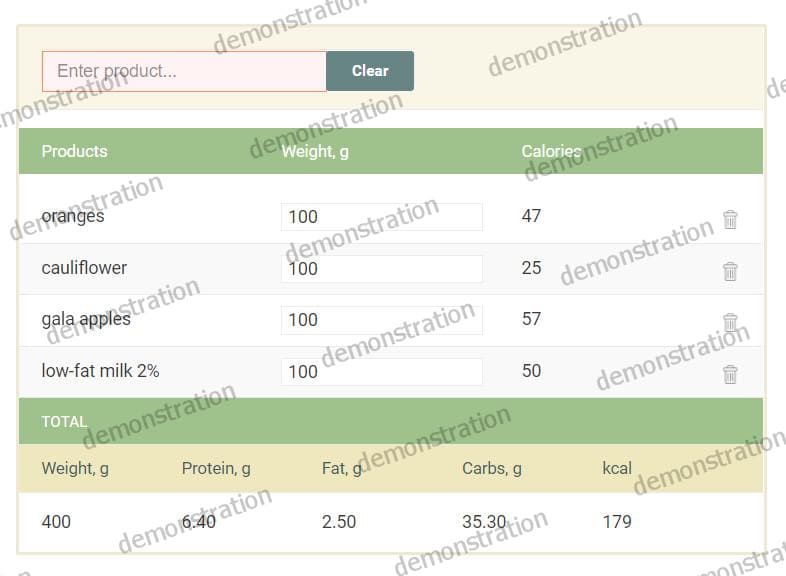
Use the «Food Nutrition Calculator» to find the calorie-count of over 14,000 different meals and foods quickly and easily.
Food Calorie Calculator
Screenshot
Use the weight converter to convert pounds to kilograms, ounces to grams and other metric to imperial weight conversions. Enter the weight in one of the text boxes and press the Convert button:
You can use the Calorie Calculator:
Screenshot
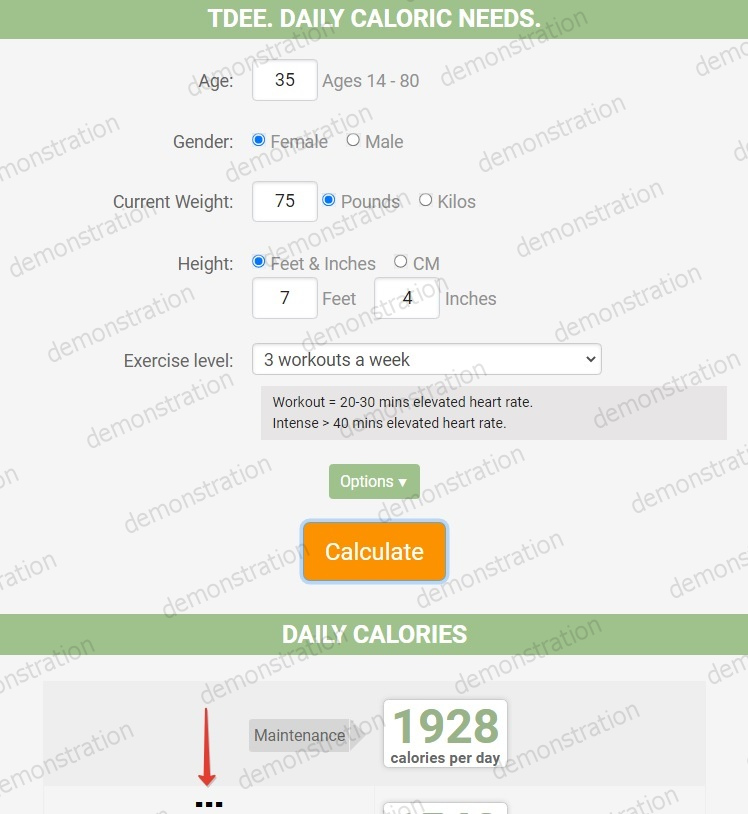
The Calorie Calculator for Weight Loss can help you determine how many calories you need to consume each day.
