


Beef Liver, Raw, Nutrition Facts
Raw beef liver is one of the most nutrient-dense foods available, offering an exceptional nutritional profile in a relatively low-calorie package. Per 100 grams, beef liver contains 135 calories with a macronutrient breakdown of 20.4 grams of protein, 3.63 grams of fat, and 3.89 grams of carbohydrates.
| Name | Amount | Unit |
|---|---|---|
| Water | 70.8 | g |
| Energy | 135 | kcal |
| Energy | 564 | kJ |
| Protein | 20.4 | g |
| Total lipid (fat) | 3.63 | g |
| Ash | 1.31 | g |
| Carbohydrate, by difference | 3.89 | g |
| Fiber, total dietary | 0 | g |
| Sugars, total including NLEA | 0 | g |
| Calcium, Ca | 5 | mg |
| Iron, Fe | 4.9 | mg |
| Magnesium, Mg | 18 | mg |
| Phosphorus, P | 387 | mg |
| Potassium, K | 313 | mg |
| Sodium, Na | 69 | mg |
| Zinc, Zn | 4 | mg |
| Copper, Cu | 9.76 | mg |
| Manganese, Mn | 0.31 | mg |
| Selenium, Se | 39.7 | µg |
| Vitamin C, total ascorbic acid | 1.3 | mg |
| Thiamin | 0.189 | mg |
| Riboflavin | 2.76 | mg |
| Niacin | 13.2 | mg |
| Pantothenic acid | 7.17 | mg |
| Vitamin B-6 | 1.08 | mg |
| Folate, total | 290 | µg |
| Folic acid | 0 | µg |
| Folate, food | 290 | µg |
| Folate, DFE | 290 | µg |
| Choline, total | 333 | mg |
| Betaine | 4.4 | mg |
| Vitamin B-12 | 59.3 | µg |
| Vitamin B-12, added | 0 | µg |
| Vitamin A, RAE | 4970 | µg |
| Retinol | 4950 | µg |
| Carotene, beta | 232 | µg |
| Carotene, alpha | 11 | µg |
| Cryptoxanthin, beta | 13 | µg |
| Vitamin A, IU | 16900 | IU |
| Lycopene | 0 | µg |
| Lutein + zeaxanthin | 0 | µg |
| Vitamin E (alpha-tocopherol) | 0.38 | mg |
| Vitamin E, added | 0 | mg |
| Tocopherol, beta | 0 | mg |
| Tocopherol, gamma | 0.07 | mg |
| Tocopherol, delta | 0 | mg |
| Tocotrienol, alpha | 0 | mg |
| Tocotrienol, beta | 0 | mg |
| Tocotrienol, gamma | 0 | mg |
| Tocotrienol, delta | 0 | mg |
| Vitamin D (D2 + D3), International Units | 49 | IU |
| Vitamin D (D2 + D3) | 1.2 | µg |
| Vitamin D3 (cholecalciferol) | 1.2 | µg |
| Vitamin K (phylloquinone) | 3.1 | µg |
| Vitamin K (Dihydrophylloquinone) | 0 | µg |
| Fatty acids, total saturated | 1.23 | g |
| SFA 4:0 | 0 | g |
| SFA 6:0 | 0 | g |
| SFA 8:0 | 0 | g |
| SFA 10:0 | 0 | g |
| SFA 12:0 | 0 | g |
| SFA 14:0 | 0.015 | g |
| SFA 15:0 | 0.007 | g |
| SFA 16:0 | 0.312 | g |
| SFA 17:0 | 0.03 | g |
| SFA 18:0 | 0.862 | g |
| SFA 20:0 | 0 | g |
| SFA 22:0 | 0.009 | g |
| Fatty acids, total monounsaturated | 0.479 | g |
| MUFA 14:1 | 0 | g |
| MUFA 15:1 | 0 | g |
| MUFA 16:1 | 0.036 | g |
| MUFA 17:1 | 0.013 | g |
| MUFA 18:1 | 0.423 | g |
| MUFA 20:1 | 0.007 | g |
| MUFA 22:1 | 0 | g |
| Fatty acids, total polyunsaturated | 0.465 | g |
| PUFA 18:2 | 0.299 | g |
| PUFA 18:2 n-6 c,c | 0.299 | g |
| PUFA 18:3 | 0.016 | g |
| PUFA 18:3 n-3 c,c,c (ALA) | 0.007 | g |
| PUFA 18:3 n-6 c,c,c | 0.009 | g |
| PUFA 18:4 | 0 | g |
| PUFA 20:2 n-6 c,c | 0.01 | g |
| PUFA 20:3 | 0 | g |
| PUFA 20:4 | 0.141 | g |
| PUFA 20:5 n-3 (EPA) | 0 | g |
| PUFA 22:5 n-3 (DPA) | 0 | g |
| PUFA 22:6 n-3 (DHA) | 0 | g |
| Fatty acids, total trans | 0.17 | g |
| Cholesterol | 275 | mg |
| Tryptophan | 0.263 | g |
| Threonine | 0.869 | g |
| Isoleucine | 0.967 | g |
| Leucine | 1.91 | g |
| Lysine | 1.61 | g |
| Methionine | 0.543 | g |
| Cystine | 0.376 | g |
| Phenylalanine | 1.08 | g |
| Tyrosine | 0.807 | g |
| Valine | 1.26 | g |
| Arginine | 1.24 | g |
| Histidine | 0.629 | g |
| Alanine | 1.16 | g |
| Aspartic acid | 1.93 | g |
| Glutamic acid | 2.61 | g |
| Glycine | 1.16 | g |
| Proline | 0.961 | g |
| Serine | 0.905 | g |
| Hydroxyproline | 0.046 | g |
| Alcohol, ethyl | 0 | g |
| Caffeine | 0 | mg |
| Theobromine | 0 | mg |
Macronutrient Profile
Protein Content
The high protein content of 20.4 grams makes beef liver an outstanding source of complete protein, containing all essential amino acids necessary for muscle maintenance, tissue repair, and various metabolic functions. This protein is highly bioavailable, meaning the body can efficiently absorb and utilize it.
Fat and Carbohydrate Content
With only 3.63 grams of fat per 100 grams, beef liver qualifies as a lean protein source. The fat present includes beneficial omega-3 and omega-6 fatty acids, along with fat-soluble vitamins. The 3.89 grams of carbohydrates come primarily from glycogen, a stored form of glucose found in liver tissue, which distinguishes organ meats from muscle meats.
Micronutrient Profile
Vitamins
Beyond these macronutrients, beef liver is extraordinarily rich in micronutrients. It contains exceptional levels of vitamin A (retinol), with over 500% of the daily value per 100 grams. Vitamin B12 content is particularly remarkable, providing over 3000% of the daily value. The liver also supplies significant amounts of riboflavin (B2), folate (B9), niacin (B3), and vitamin B6.
Minerals
The mineral content is equally impressive. Beef liver is one of the best sources of highly bioavailable heme iron, which is more easily absorbed than the non-heme iron found in plant sources. It also contains exceptional levels of copper, along with significant amounts of zinc, selenium, and phosphorus.
Bioavailability
The bioavailability of nutrients in beef liver is a key advantage. The vitamin A exists as preformed retinol rather than carotenoids requiring conversion, the iron is in the superior heme form, and B vitamins are present in forms the body can immediately utilize.
Health Benefits
Health benefits of consuming beef liver include support for blood health due to high iron and B12 content, enhanced energy production from B vitamins, improved vision from vitamin A, cognitive function support, immune system strengthening, and metabolic health optimization from trace minerals and enzymes.
Important Considerations
Consumption Guidelines
However, due to extremely high vitamin A levels, beef liver should be consumed in moderation. Excessive vitamin A intake can lead to toxicity. Health experts typically recommend consuming liver no more than once or twice per week, with serving sizes around 100-150 grams. Pregnant women should consult healthcare providers before consuming liver, as high vitamin A intake during pregnancy may pose risks to fetal development.
Quality Matters
The quality of beef liver can vary based on the animal’s diet and living conditions. Liver from grass-fed, pasture-raised cattle typically contains higher levels of beneficial nutrients and a better fatty acid profile compared to conventionally raised animals.
Comparison to Other Foods
When compared to muscle meats, beef liver offers significantly more micronutrients per calorie while maintaining similar protein content and lower fat content than many beef cuts. At 135 calories per 100 grams delivering extraordinary nutritional value, beef liver represents one of the most calorically efficient nutrient sources available.
Who Benefits Most
Beef liver is particularly beneficial for athletes seeking high-quality protein and B vitamins, individuals with iron deficiency or anemia, those following nutrient-dense dietary approaches, people with B12 deficiency, and anyone seeking to maximize nutrition while maintaining moderate calorie intake.
Preparation Notes
While this nutritional data refers to raw beef liver, it should be noted that liver must be thoroughly cooked before consumption to eliminate potential pathogens. Proper cooking does not significantly diminish most nutrients in liver.
Conclusion
In summary, raw beef liver’s nutrition facts reveal why this organ meat has been valued throughout human history. With 135 calories, 20.4 grams of protein, 3.63 grams of fat, and 3.89 grams of carbohydrates per 100 grams, combined with unparalleled micronutrient density, beef liver stands as a legitimate superfood. When consumed appropriately and in moderation, it can be a valuable addition to a balanced diet, offering nutritional benefits difficult to match with other foods.
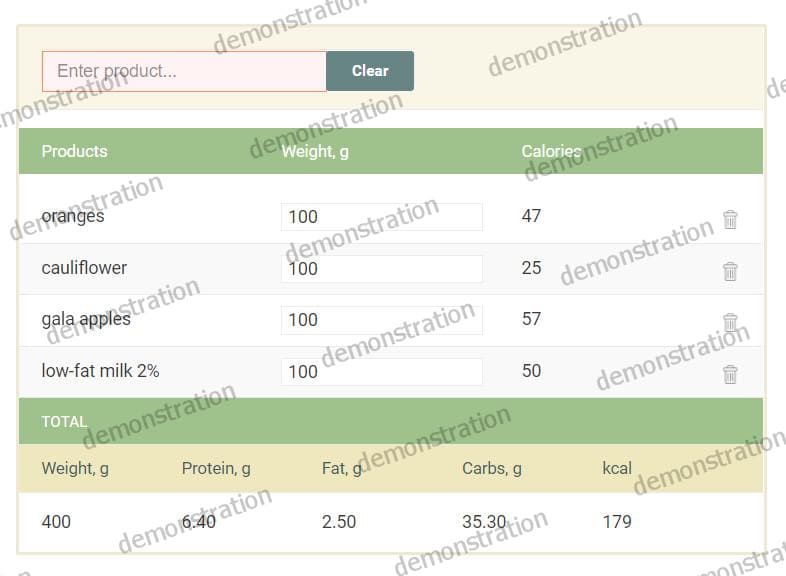
Use the «Food Nutrition Calculator» to find the calorie-count of over 14,000 different meals and foods quickly and easily.
Food Calorie Calculator
Screenshot
Use the weight converter to convert pounds to kilograms, ounces to grams and other metric to imperial weight conversions. Enter the weight in one of the text boxes and press the Convert button:
You can use the Calorie Calculator:
Screenshot
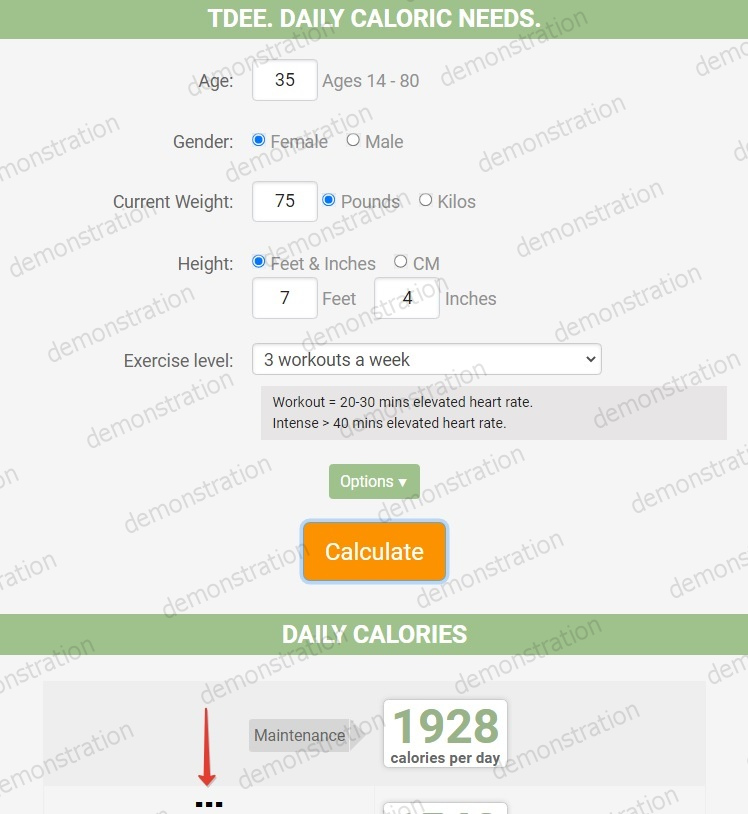
The Calorie Calculator for Weight Loss can help you determine how many calories you need to consume each day.
