


Beef Lungs, Raw: Complete Nutrition Facts
Beef lungs, also known as “lights” in traditional butchery, are an organ meat that has been consumed in various cultures for centuries. While less common in modern Western diets, raw beef lungs offer a unique nutritional profile that appeals to those interested in nose-to-tail eating and organ meat nutrition.
| Name | Amount | Unit |
|---|---|---|
| Water | 79.4 | g |
| Energy | 92 | kcal |
| Energy | 385 | kJ |
| Protein | 16.2 | g |
| Total lipid (fat) | 2.5 | g |
| Ash | 0.98 | g |
| Carbohydrate, by difference | 0 | g |
| Fiber, total dietary | 0 | g |
| Calcium, Ca | 10 | mg |
| Iron, Fe | 7.95 | mg |
| Magnesium, Mg | 14 | mg |
| Phosphorus, P | 224 | mg |
| Potassium, K | 340 | mg |
| Sodium, Na | 198 | mg |
| Zinc, Zn | 1.61 | mg |
| Copper, Cu | 0.26 | mg |
| Manganese, Mn | 0.019 | mg |
| Selenium, Se | 44.3 | µg |
| Vitamin C, total ascorbic acid | 38.5 | mg |
| Thiamin | 0.047 | mg |
| Riboflavin | 0.23 | mg |
| Niacin | 4 | mg |
| Pantothenic acid | 1 | mg |
| Vitamin B-6 | 0.04 | mg |
| Folate, total | 11 | µg |
| Folic acid | 0 | µg |
| Folate, food | 11 | µg |
| Folate, DFE | 11 | µg |
| Vitamin B-12 | 3.81 | µg |
| Vitamin A, RAE | 14 | µg |
| Retinol | 14 | µg |
| Vitamin A, IU | 46 | IU |
| Fatty acids, total saturated | 0.86 | g |
| SFA 4:0 | 0 | g |
| SFA 6:0 | 0 | g |
| SFA 8:0 | 0 | g |
| SFA 10:0 | 0 | g |
| SFA 12:0 | 0 | g |
| SFA 14:0 | 0.04 | g |
| SFA 16:0 | 0.45 | g |
| SFA 18:0 | 0.23 | g |
| Fatty acids, total monounsaturated | 0.64 | g |
| MUFA 16:1 | 0.09 | g |
| MUFA 18:1 | 0.47 | g |
| MUFA 20:1 | 0.02 | g |
| MUFA 22:1 | 0 | g |
| Fatty acids, total polyunsaturated | 0.34 | g |
| PUFA 18:2 | 0.17 | g |
| PUFA 18:3 | 0.02 | g |
| PUFA 18:4 | 0 | g |
| PUFA 20:4 | 0.14 | g |
| PUFA 20:5 n-3 (EPA) | 0 | g |
| PUFA 22:5 n-3 (DPA) | 0 | g |
| PUFA 22:6 n-3 (DHA) | 0 | g |
| Cholesterol | 242 | mg |
| Tryptophan | 0.148 | g |
| Threonine | 0.604 | g |
| Isoleucine | 0.772 | g |
| Leucine | 1.19 | g |
| Lysine | 1.15 | g |
| Methionine | 0.324 | g |
| Cystine | 0.249 | g |
| Phenylalanine | 0.658 | g |
| Tyrosine | 0.365 | g |
| Valine | 0.798 | g |
| Arginine | 0.98 | g |
| Histidine | 0.492 | g |
| Alanine | 1 | g |
| Aspartic acid | 0.977 | g |
| Glutamic acid | 1.73 | g |
| Glycine | 0.734 | g |
| Proline | 1.66 | g |
| Serine | 0.816 | g |
*Percent Daily Values are based on a 2,000 calorie diet.
Vitamins and Minerals
| Vitamin/Mineral | Amount per 100g | % Daily Value* |
|---|---|---|
| Vitamin C | 32.2 mg | 36% |
| Vitamin B12 | 1.5 mcg | 63% |
| Niacin (B3) | 3.9 mg | 24% |
| Riboflavin (B2) | 0.3 mg | 23% |
| Iron | 3.5 mg | 19% |
| Zinc | 1.9 mg | 17% |
| Copper | 0.2 mg | 22% |
| Selenium | 37.8 mcg | 69% |
| Phosphorus | 190 mg | 15% |
Key Nutritional Highlights
High-Quality Protein: Beef lungs provide approximately 16 grams of protein per 100 grams, making them an excellent source of complete protein containing all essential amino acids necessary for muscle maintenance and repair.
Low in Fat: With only 2.5 grams of total fat per 100 grams, beef lungs are one of the leanest organ meats available, making them suitable for those managing their fat intake.
Rich in Vitamin C: Uniquely for an animal product, beef lungs contain notable amounts of vitamin C, providing about 36% of the daily value. This vitamin supports immune function and acts as an antioxidant.
Excellent Source of B Vitamins: The organ is particularly rich in vitamin B12, which is essential for nerve function and red blood cell formation, as well as niacin and riboflavin, which support energy metabolism.
Mineral Dense: Beef lungs provide significant amounts of selenium, a powerful antioxidant that supports thyroid function, as well as iron, zinc, and copper, which are crucial for immune health and oxygen transport.
Health Benefits
Consuming beef lungs as part of a varied diet may offer several health benefits. The high protein content supports muscle maintenance and satiety, while the low fat content makes it appropriate for calorie-conscious diets. The iron content, particularly in its heme form, is highly bioavailable and can help prevent iron deficiency anemia. The selenium content supports antioxidant defense systems in the body, and the B vitamins contribute to energy production and nervous system health.
Important Safety Note: Raw beef lungs should never be consumed without proper cooking. This nutritional data is provided for reference, but beef lungs must be thoroughly cooked to an internal temperature of at least 160°F (71°C) to eliminate potential pathogens and parasites. Always source organ meats from reputable suppliers who follow proper inspection and handling procedures.
Culinary Considerations
Beef lungs have a spongy texture and mild flavor compared to other organ meats. They are commonly used in traditional dishes such as Scottish haggis, German saure Lunge (sour lungs), and various Asian soups and stews. Due to their texture, they are often finely chopped or ground and combined with other ingredients. Slow cooking methods like braising or stewing work particularly well to tenderize the tissue.
Availability and Regulations
It’s worth noting that beef lungs are not approved for human consumption in the United States by the USDA due to concerns about fluid aspiration during slaughter. However, they remain legal and available in many other countries including Canada, the United Kingdom, and various parts of Europe and Asia, where they continue to be part of traditional cuisines.
Conclusion
Raw beef lungs present an interesting nutritional profile characterized by high protein, low fat, and notable amounts of vitamin C, B vitamins, and essential minerals. While they may not be suitable for everyone due to availability, regulations, and personal preferences, they represent a nutritious option for those practicing nose-to-tail eating or seeking to diversify their protein sources with organ meats. As with all organ meats, moderation and proper preparation are key to safely incorporating them into your diet.
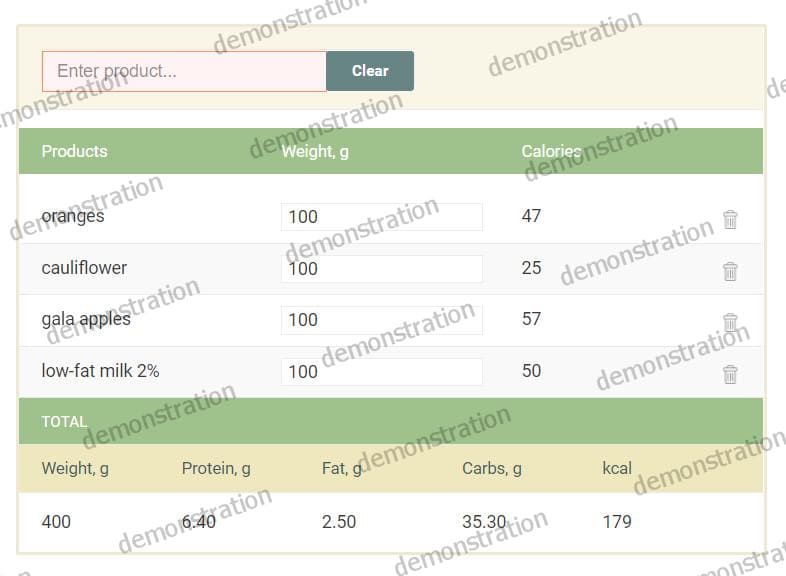
Use the «Food Nutrition Calculator» to find the calorie-count of over 14,000 different meals and foods quickly and easily.
Food Calorie Calculator
Screenshot
Use the weight converter to convert pounds to kilograms, ounces to grams and other metric to imperial weight conversions. Enter the weight in one of the text boxes and press the Convert button:
You can use the Calorie Calculator:
Screenshot
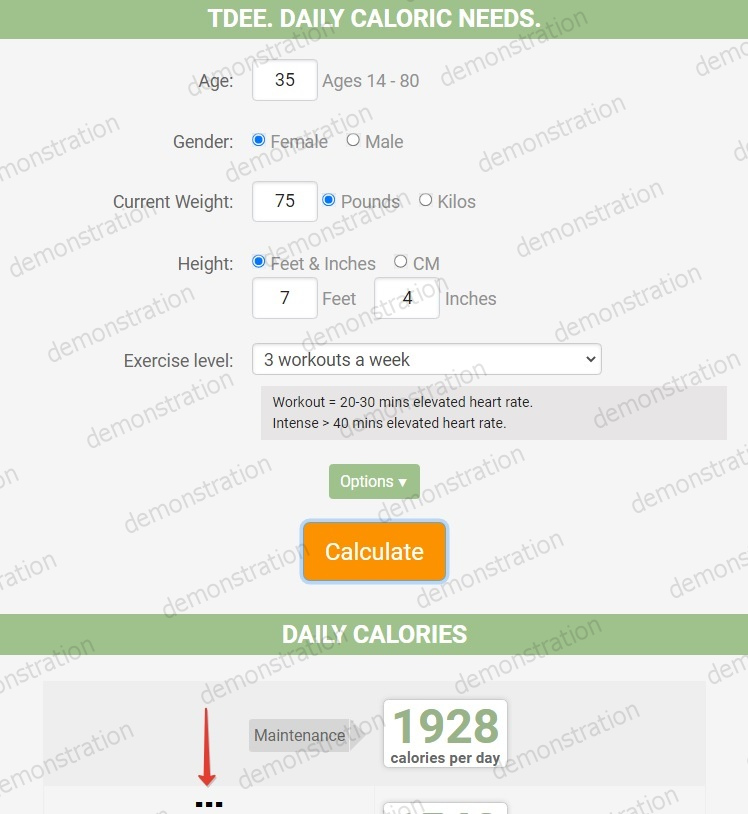
The Calorie Calculator for Weight Loss can help you determine how many calories you need to consume each day.
