


Beef Ribs, Raw: Complete Nutrition Facts and Health Information
Raw beef ribs are a nutrient-dense cut of meat that offers substantial protein, essential vitamins, and minerals. Whether you’re meal planning, tracking macros, or simply curious about what raw beef ribs contain before cooking, understanding their nutritional profile helps you make informed dietary choices. This comprehensive guide breaks down the complete nutrition facts for raw beef ribs, including both short ribs and back ribs.
| Name | Amount | Unit |
|---|---|---|
| Water | 52.7 | g |
| Energy | 336 | kcal |
| Energy | 1400 | kJ |
| Protein | 15.8 | g |
| Total lipid (fat) | 29.9 | g |
| Ash | 0.72 | g |
| Carbohydrate, by difference | 0.9 | g |
| Fiber, total dietary | 0 | g |
| Sugars, total including NLEA | 0 | g |
| Calcium, Ca | 9 | mg |
| Iron, Fe | 1.61 | mg |
| Magnesium, Mg | 17 | mg |
| Phosphorus, P | 122 | mg |
| Potassium, K | 214 | mg |
| Sodium, Na | 53 | mg |
| Zinc, Zn | 3.76 | mg |
| Copper, Cu | 0.059 | mg |
| Selenium, Se | 17.3 | µg |
| Vitamin C, total ascorbic acid | 0 | mg |
| Thiamin | 0.074 | mg |
| Riboflavin | 0.214 | mg |
| Niacin | 3.65 | mg |
| Vitamin B-6 | 0.349 | mg |
| Folate, total | 3 | µg |
| Folic acid | 0 | µg |
| Folate, food | 3 | µg |
| Folate, DFE | 3 | µg |
| Vitamin B-12 | 1.53 | µg |
| Vitamin B-12, added | 0 | µg |
| Vitamin A, RAE | 6 | µg |
| Retinol | 6 | µg |
| Carotene, beta | 0 | µg |
| Carotene, alpha | 0 | µg |
| Cryptoxanthin, beta | 0 | µg |
| Vitamin A, IU | 18 | IU |
| Lycopene | 0 | µg |
| Lutein + zeaxanthin | 0 | µg |
| Vitamin K (phylloquinone) | 1.5 | µg |
| Fatty acids, total saturated | 13.3 | g |
| SFA 4:0 | 0 | g |
| SFA 6:0 | 0 | g |
| SFA 8:0 | 0 | g |
| SFA 10:0 | 0.022 | g |
| SFA 12:0 | 0.024 | g |
| SFA 14:0 | 0.877 | g |
| SFA 15:0 | 0.176 | g |
| SFA 16:0 | 6.99 | g |
| SFA 17:0 | 0.41 | g |
| SFA 18:0 | 4.76 | g |
| SFA 20:0 | 0.022 | g |
| SFA 24:0 | 0.011 | g |
| Fatty acids, total monounsaturated | 14.6 | g |
| MUFA 14:1 | 0.185 | g |
| MUFA 15:1 | 0.038 | g |
| MUFA 16:1 | 0.978 | g |
| MUFA 16:1 c | 0.897 | g |
| MUFA 17:1 | 0.26 | g |
| MUFA 18:1 | 13 | g |
| MUFA 18:1 c | 11.3 | g |
| MUFA 20:1 | 0.068 | g |
| MUFA 22:1 | 0 | g |
| Fatty acids, total polyunsaturated | 1.22 | g |
| PUFA 18:2 | 1.08 | g |
| PUFA 18:2 n-6 c,c | 0.827 | g |
| PUFA 18:2 CLAs | 0.135 | g |
| PUFA 18:3 | 0.051 | g |
| PUFA 18:3 n-3 c,c,c (ALA) | 0.051 | g |
| PUFA 18:4 | 0 | g |
| PUFA 20:2 n-6 c,c | 0.006 | g |
| PUFA 20:3 | 0.026 | g |
| PUFA 20:4 n-6 | 0.026 | g |
| PUFA 20:4 | 0.047 | g |
| PUFA 20:5 n-3 (EPA) | 0.001 | g |
| PUFA 22:5 n-3 (DPA) | 0.012 | g |
| PUFA 22:6 n-3 (DHA) | 0 | g |
| Fatty acids, total trans | 1.95 | g |
| Fatty acids, total trans-monoenoic | 1.84 | g |
| TFA 16:1 t | 0.082 | g |
| TFA 18:1 t | 1.75 | g |
| TFA 18:2 t not further defined | 0.114 | g |
| Fatty acids, total trans-polyenoic | 0.114 | g |
| Cholesterol | 76 | mg |
| Tryptophan | 0.177 | g |
| Threonine | 0.738 | g |
| Isoleucine | 0.732 | g |
| Leucine | 1.34 | g |
| Lysine | 1.49 | g |
| Methionine | 0.424 | g |
| Cystine | 0.159 | g |
| Phenylalanine | 0.628 | g |
| Tyrosine | 0.582 | g |
| Valine | 0.787 | g |
| Arginine | 1.06 | g |
| Histidine | 0.58 | g |
| Alanine | 0.974 | g |
| Aspartic acid | 1.52 | g |
| Glutamic acid | 2.56 | g |
| Glycine | 0.777 | g |
| Proline | 0.702 | g |
| Serine | 0.643 | g |
| Hydroxyproline | 0.108 | g |
| Alcohol, ethyl | 0 | g |
| Caffeine | 0 | mg |
| Theobromine | 0 | mg |
Nutritional Overview of Raw Beef Ribs
Raw beef ribs typically come from two main sections: short ribs (from the chuck and plate sections) and back ribs (from the rib section). The nutritional content varies slightly depending on the specific cut and the amount of marbling, but both varieties are excellent sources of complete protein and essential nutrients.
Per 100 grams (approximately 3.5 ounces) of raw beef short ribs with separable lean and fat, you’ll find approximately:
Macronutrients in Raw Beef Ribs
Calories: Raw beef ribs contain approximately 280-340 calories per 100g, depending on the fat content. Short ribs tend to be higher in calories due to more marbling.
Protein: Each 100g serving provides about 15-17 grams of high-quality, complete protein containing all nine essential amino acids necessary for muscle maintenance, repair, and overall bodily functions.
Total Fat: Raw beef ribs contain approximately 25-30 grams of fat per 100g. This includes a mixture of saturated fats (about 10-12g), monounsaturated fats (about 11-13g), and polyunsaturated fats (about 1-2g). The fat content contributes significantly to the rich flavor and tenderness of beef ribs when cooked.
Carbohydrates: Beef ribs contain zero carbohydrates, making them suitable for low-carb and ketogenic diets.
Cholesterol: Raw beef ribs contain approximately 70-80 milligrams of cholesterol per 100g serving.
Vitamins in Raw Beef Ribs
Raw beef ribs are particularly rich in B-complex vitamins, which play crucial roles in energy metabolism and nervous system function:
Vitamin B12 (Cobalamin): Approximately 2.0-2.5 micrograms per 100g, providing nearly 100% of the daily recommended intake. B12 is essential for red blood cell formation, neurological function, and DNA synthesis.
Niacin (Vitamin B3): About 4-5 milligrams per 100g, supporting metabolism, skin health, and nervous system function.
Vitamin B6 (Pyridoxine): Approximately 0.3-0.4 milligrams per 100g, important for protein metabolism and cognitive development.
Riboflavin (Vitamin B2): About 0.15-0.20 milligrams per 100g, essential for energy production and cellular function.
Thiamin (Vitamin B1): Approximately 0.05-0.08 milligrams per 100g, crucial for carbohydrate metabolism.
Vitamin D: Beef ribs contain small amounts of vitamin D, approximately 0.1-0.2 micrograms per 100g.
Vitamin E: Present in modest amounts, around 0.2-0.3 milligrams per 100g, providing antioxidant benefits.
Minerals in Raw Beef Ribs
Raw beef ribs provide an excellent array of essential minerals:
Iron: Approximately 1.8-2.3 milligrams per 100g of highly bioavailable heme iron, which is more easily absorbed by the body than non-heme iron from plant sources. This supports oxygen transport and energy production.
Zinc: About 4-5 milligrams per 100g, providing roughly 40-50% of the daily recommended intake. Zinc is crucial for immune function, wound healing, and protein synthesis.
Selenium: Approximately 20-25 micrograms per 100g, an important antioxidant mineral that supports thyroid function and immune health.
Phosphorus: About 150-180 milligrams per 100g, essential for bone health and energy metabolism.
Potassium: Approximately 250-300 milligrams per 100g, important for heart function and blood pressure regulation.
Magnesium: About 18-22 milligrams per 100g, supporting muscle and nerve function.
Comparing Short Ribs vs. Back Ribs
While both cuts come from beef ribs, there are nutritional differences worth noting. Short ribs, cut from the lower portion of the rib cage, typically contain more intramuscular fat and connective tissue, resulting in higher calorie and fat content (approximately 320-340 calories per 100g). Back ribs, taken from the upper rib section closer to the spine, are generally leaner with slightly less marbling (approximately 280-300 calories per 100g), though still rich in flavor.
Amino Acid Profile
Raw beef ribs provide all essential amino acids in significant quantities. Notable amino acids include leucine (approximately 1.3g per 100g), which is particularly important for muscle protein synthesis, lysine (about 1.4g per 100g) for calcium absorption and collagen formation, and glutamic acid (approximately 2.5g per 100g), the most abundant amino acid in beef.
Health Considerations
The high fat content in raw beef ribs means they’re calorie-dense, which can be beneficial for those needing higher caloric intake but should be considered by those monitoring calorie consumption. The saturated fat content, while providing flavor and satisfaction, should be balanced with other dietary fats as part of a varied diet.
The rich mineral content, particularly iron and zinc, makes beef ribs especially valuable for individuals at risk of deficiencies in these nutrients, including athletes, pregnant women, and those with increased nutritional needs. The heme iron is significantly more bioavailable than plant-based iron sources.
Cooking Impact on Nutrition
It’s important to note that these nutritional values represent raw beef ribs. Cooking methods significantly affect the final nutritional content. Dry heat cooking methods like grilling, roasting, or smoking can reduce fat content as fat renders out, potentially lowering total calories by 15-25%. Water-soluble vitamins, particularly B vitamins, may decrease slightly during cooking, while minerals remain relatively stable. The protein content becomes more concentrated per gram as moisture is lost during cooking.
Serving Size Considerations
A typical serving of beef ribs is considerably larger than 100 grams. A single raw beef short rib can weigh 150-250 grams or more, while back ribs might be served in portions of 200-400 grams (multiple ribs). When calculating nutritional intake, remember to adjust the values accordingly. For example, a 200-gram portion of raw beef short ribs would contain approximately 640-680 calories, 30-34 grams of protein, and 50-60 grams of fat.
Dietary Applications
The nutritional profile of raw beef ribs makes them suitable for various dietary approaches. They’re naturally compatible with ketogenic, paleo, and low-carb diets due to zero carbohydrate content and high fat and protein levels. The complete protein and nutrient density support muscle-building and athletic performance diets. However, those following calorie-restricted diets should be mindful of portion sizes due to the high caloric density.
Storage and Safety
While this article focuses on the nutrition of raw beef ribs, it’s essential to handle raw meat safely. Keep raw beef ribs refrigerated at 40°F (4°C) or below and use within 3-5 days of purchase, or freeze for longer storage. Always cook beef ribs to a safe internal temperature of at least 145°F (63°C) for safety, though many prefer higher temperatures for tenderness and flavor.
Conclusion
Raw beef ribs offer impressive nutritional value, providing high-quality protein, essential B vitamins, bioavailable iron, zinc, and other important minerals. While calorie-dense due to their fat content, they deliver substantial nutrition per serving. Understanding the nutritional composition of raw beef ribs helps you incorporate them thoughtfully into your meal planning, whether you’re focused on protein intake, nutrient density, or simply enjoying this flavorful cut of meat. As with all foods, beef ribs are best enjoyed as part of a balanced, varied diet that meets your individual nutritional needs and health goals.
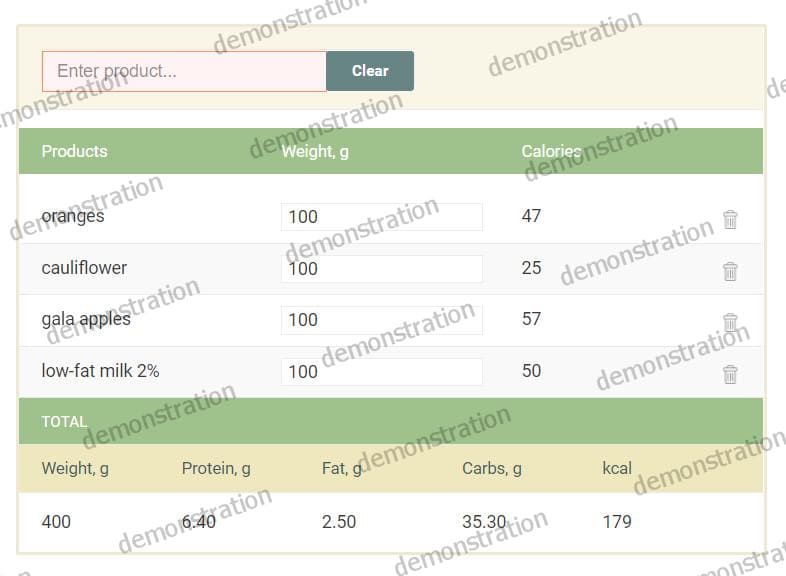
Use the «Food Nutrition Calculator» to find the calorie-count of over 14,000 different meals and foods quickly and easily.
Food Calorie Calculator
Screenshot
Use the weight converter to convert pounds to kilograms, ounces to grams and other metric to imperial weight conversions. Enter the weight in one of the text boxes and press the Convert button:
You can use the Calorie Calculator:
Screenshot
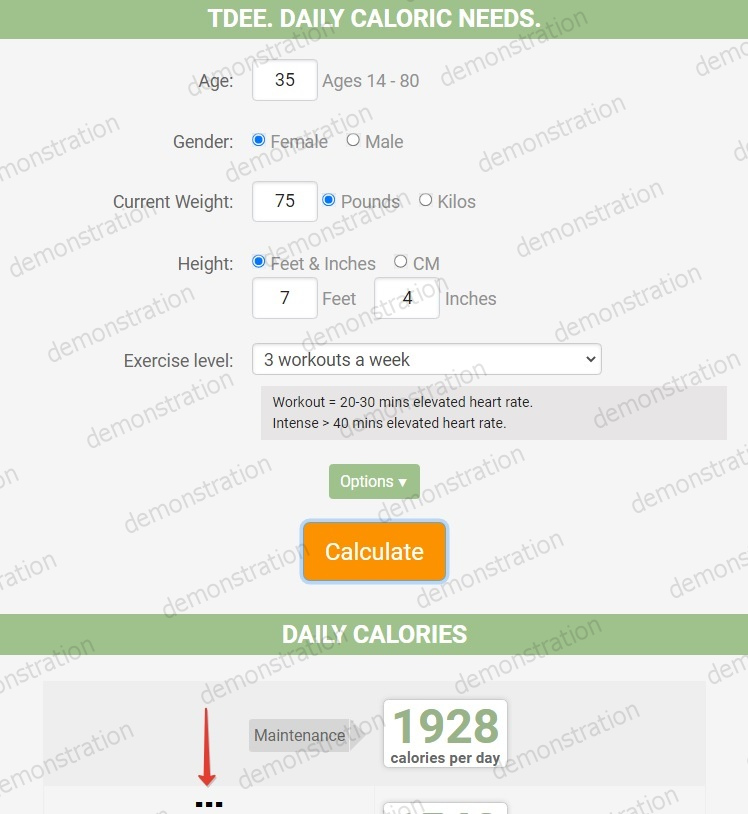
The Calorie Calculator for Weight Loss can help you determine how many calories you need to consume each day.
