


Beef Shoulder Clod, Raw: Complete Nutrition Facts & Health Benefits
Beef shoulder clod is an economical and versatile cut from the chuck primal that offers impressive nutritional value. This comprehensive guide explores the nutrition facts, health benefits, and culinary applications of raw beef shoulder clod to help you make informed dietary choices.
| Name | Amount | Unit |
|---|---|---|
| Water | 72.5 | g |
| Energy | 143 | kcal |
| Energy | 597 | kJ |
| Protein | 20.4 | g |
| Total lipid (fat) | 6.12 | g |
| Ash | 0.91 | g |
| Carbohydrate, by difference | 0 | g |
| Fiber, total dietary | 0 | g |
| Sugars, total including NLEA | 0 | g |
| Calcium, Ca | 4 | mg |
| Iron, Fe | 2.14 | mg |
| Magnesium, Mg | 24 | mg |
| Phosphorus, P | 212 | mg |
| Potassium, K | 347 | mg |
| Sodium, Na | 61 | mg |
| Zinc, Zn | 5.24 | mg |
| Copper, Cu | 0.088 | mg |
| Manganese, Mn | 0.011 | mg |
| Selenium, Se | 29.7 | µg |
| Vitamin C, total ascorbic acid | 0 | mg |
| Thiamin | 0.072 | mg |
| Riboflavin | 0.23 | mg |
| Niacin | 5.13 | mg |
| Pantothenic acid | 0.731 | mg |
| Vitamin B-6 | 0.673 | mg |
| Folate, total | 7 | µg |
| Folic acid | 0 | µg |
| Folate, food | 7 | µg |
| Folate, DFE | 7 | µg |
| Choline, total | 85.1 | mg |
| Betaine | 15.1 | mg |
| Vitamin B-12 | 3.56 | µg |
| Vitamin B-12, added | 0 | µg |
| Vitamin A, RAE | 0 | µg |
| Retinol | 0 | µg |
| Carotene, beta | 0 | µg |
| Carotene, alpha | 0 | µg |
| Cryptoxanthin, beta | 0 | µg |
| Vitamin A, IU | 0 | IU |
| Lycopene | 0 | µg |
| Lutein + zeaxanthin | 0 | µg |
| Vitamin E (alpha-tocopherol) | 0.18 | mg |
| Vitamin E, added | 0 | mg |
| Tocopherol, beta | 0 | mg |
| Tocopherol, gamma | 0.02 | mg |
| Tocopherol, delta | 0.01 | mg |
| Tocotrienol, alpha | 0 | mg |
| Tocotrienol, beta | 0 | mg |
| Tocotrienol, gamma | 0 | mg |
| Tocotrienol, delta | 0 | mg |
| Vitamin K (phylloquinone) | 0.2 | µg |
| Vitamin K (Dihydrophylloquinone) | 0 | µg |
| Vitamin K (Menaquinone-4) | 1.5 | µg |
| Fatty acids, total saturated | 2.08 | g |
| SFA 4:0 | 0 | g |
| SFA 6:0 | 0 | g |
| SFA 8:0 | 0 | g |
| SFA 10:0 | 0 | g |
| SFA 12:0 | 0 | g |
| SFA 14:0 | 0.151 | g |
| SFA 15:0 | 0.021 | g |
| SFA 16:0 | 1.27 | g |
| SFA 17:0 | 0.05 | g |
| SFA 18:0 | 0.579 | g |
| SFA 20:0 | 0 | g |
| SFA 22:0 | 0.009 | g |
| Fatty acids, total monounsaturated | 3.44 | g |
| MUFA 14:1 | 0.042 | g |
| MUFA 15:1 | 0 | g |
| MUFA 16:1 | 0.181 | g |
| MUFA 17:1 | 0 | g |
| MUFA 18:1 | 2.11 | g |
| MUFA 18:1 c | 1.95 | g |
| MUFA 20:1 | 0 | g |
| Fatty acids, total polyunsaturated | 0.554 | g |
| PUFA 18:2 | 0.253 | g |
| PUFA 18:2 n-6 c,c | 0.213 | g |
| PUFA 18:3 | 0 | g |
| PUFA 18:3 n-3 c,c,c (ALA) | 0 | g |
| PUFA 18:3 n-6 c,c,c | 0 | g |
| PUFA 18:4 | 0 | g |
| PUFA 20:2 n-6 c,c | 0 | g |
| PUFA 20:3 | 0 | g |
| PUFA 20:4 | 0.048 | g |
| Fatty acids, total trans | 0.199 | g |
| Fatty acids, total trans-monoenoic | 0.159 | g |
| TFA 18:1 t | 0.159 | g |
| TFA 18:2 t,t | 0.04 | g |
| Fatty acids, total trans-polyenoic | 0.04 | g |
| Cholesterol | 57 | mg |
| Tryptophan | 0.134 | g |
| Threonine | 0.815 | g |
| Isoleucine | 0.928 | g |
| Leucine | 1.62 | g |
| Lysine | 1.72 | g |
| Methionine | 0.531 | g |
| Cystine | 0.263 | g |
| Phenylalanine | 0.805 | g |
| Tyrosine | 0.65 | g |
| Valine | 1.01 | g |
| Arginine | 1.32 | g |
| Histidine | 0.651 | g |
| Alanine | 1.24 | g |
| Aspartic acid | 1.86 | g |
| Glutamic acid | 3.06 | g |
| Glycine | 1.24 | g |
| Proline | 0.972 | g |
| Serine | 0.803 | g |
| Hydroxyproline | 0.068 | g |
| Alcohol, ethyl | 0 | g |
| Caffeine | 0 | mg |
| Theobromine | 0 | mg |
What Is Beef Shoulder Clod?
The shoulder clod is a large muscle group located in the beef chuck, positioned between the neck and the arm. This well-exercised muscle produces a flavorful, moderately tough cut that becomes tender and delicious when prepared properly. Butchers often subdivide the shoulder clod into smaller cuts including the top blade, shoulder tender, and shoulder center.
Nutrition Facts for Raw Beef Shoulder Clod
Based on USDA nutritional data, here are the nutrition facts for 100 grams (approximately 3.5 ounces) of raw beef shoulder clod:
Macronutrients
- Calories: 150-180 kcal (varies with fat content)
- Protein: 20-22 grams
- Total Fat: 7-10 grams
- Saturated Fat: 3-4 grams
- Monounsaturated Fat: 3-4 grams
- Polyunsaturated Fat: 0.3-0.5 grams
- Carbohydrates: 0 grams
- Fiber: 0 grams
- Sugar: 0 grams
Vitamins
- Vitamin B12: 2.5-3 mcg (100-125% DV)
- Niacin (B3): 6-7 mg (35-40% DV)
- Vitamin B6: 0.5-0.6 mg (30-35% DV)
- Riboflavin (B2): 0.2 mg (15% DV)
- Thiamine (B1): 0.08 mg (7% DV)
- Vitamin E: 0.3 mg (2% DV)
Minerals
- Zinc: 5-6 mg (45-55% DV)
- Selenium: 25-28 mcg (45-50% DV)
- Iron: 2-2.5 mg (11-14% DV)
- Phosphorus: 200-220 mg (16-18% DV)
- Potassium: 320-350 mg (7-8% DV)
- Magnesium: 20-22 mg (5% DV)
- Sodium: 60-70 mg (3% DV)
Other Components
- Cholesterol: 60-70 mg (20-23% DV)
- Water: 70-73 grams
Health Benefits of Beef Shoulder Clod
Exceptional Protein Source
With over 20 grams of complete protein per 100-gram serving, beef shoulder clod provides all nine essential amino acids necessary for muscle growth, tissue repair, and immune function. This makes it an excellent choice for athletes, active individuals, and anyone looking to maintain or build muscle mass.
Rich in B Vitamins
Beef shoulder clod is particularly abundant in B vitamins, especially B12, which is crucial for nerve function, red blood cell formation, and DNA synthesis. A single serving can provide your entire daily requirement of vitamin B12, making it especially valuable for those who don’t consume other animal products regularly.
High in Bioavailable Iron
The heme iron found in beef shoulder clod is more easily absorbed by the body than the non-heme iron found in plant sources. This makes it an excellent food for preventing and treating iron-deficiency anemia, particularly important for women of childbearing age, pregnant women, and growing children.
Zinc for Immune Support
With nearly half the daily value of zinc in a single serving, beef shoulder clod supports immune function, wound healing, protein synthesis, and DNA production. Zinc also plays a vital role in taste and smell perception.
Selenium Content
This cut provides significant amounts of selenium, an essential mineral that acts as an antioxidant, supports thyroid function, and may help protect against certain chronic diseases.
Comparing Beef Shoulder Clod to Other Cuts
Beef shoulder clod falls into the moderate fat category when compared to other beef cuts. It contains less fat than ribeye or brisket but more than sirloin or round cuts. This balance provides good flavor while keeping the calorie content reasonable, making it a practical choice for everyday meals.
From a nutritional standpoint, the protein and micronutrient content remains similar across most beef cuts, with the primary difference being the fat content and resulting calorie density.
Cooking Considerations
While nutrition facts are based on raw meat, cooking method significantly impacts the final nutritional profile. Grilling, broiling, or roasting without added fats preserves the nutritional integrity while reducing overall fat content as some renders out during cooking. Braising and slow-cooking methods make this tougher cut tender and delicious without requiring additional fats.
When cooked, beef shoulder clod typically loses 20-25% of its weight through moisture evaporation, which concentrates the nutrients per gram of cooked meat.
Dietary Considerations
Low-Carb and Keto Diets
With zero carbohydrates, beef shoulder clod is perfectly suited for low-carb, ketogenic, and carnivore diets. The moderate fat content provides energy while the high protein content supports satiety.
High-Protein Diets
For those following high-protein diets for muscle building, weight loss, or metabolic health, beef shoulder clod offers an economical way to meet protein targets without excessive calories.
Potential Concerns
Individuals monitoring saturated fat intake for cardiovascular health should enjoy beef shoulder clod in moderation as part of a balanced diet. Those with specific dietary restrictions related to red meat consumption should consult with healthcare providers.
Storage and Food Safety
Raw beef shoulder clod should be stored at 40°F (4°C) or below and used within 3-5 days of purchase. For longer storage, it can be frozen at 0°F (-18°C) for up to 12 months without significant nutrient loss. Always handle raw beef with proper food safety protocols to prevent cross-contamination.
Sustainability and Sourcing
Choosing beef shoulder clod supports whole-animal utilization, as this cut comes from a part of the animal that might otherwise be undervalued. When possible, selecting grass-fed or pasture-raised beef may provide a slightly different nutritional profile with higher omega-3 fatty acids and conjugated linoleic acid (CLA).
Conclusion
Beef shoulder clod offers impressive nutritional value with high-quality protein, essential vitamins, and important minerals at a reasonable calorie count. Its rich B vitamin content, bioavailable iron, and substantial zinc make it a nutritious addition to a balanced diet. Whether you’re focused on muscle building, maintaining energy levels, or simply enjoying flavorful, nutritious meals, raw beef shoulder clod provides excellent nutritional benefits that become even more concentrated when properly cooked.
Understanding the nutrition facts empowers you to incorporate this economical cut into meal planning while meeting your dietary goals and nutritional needs.
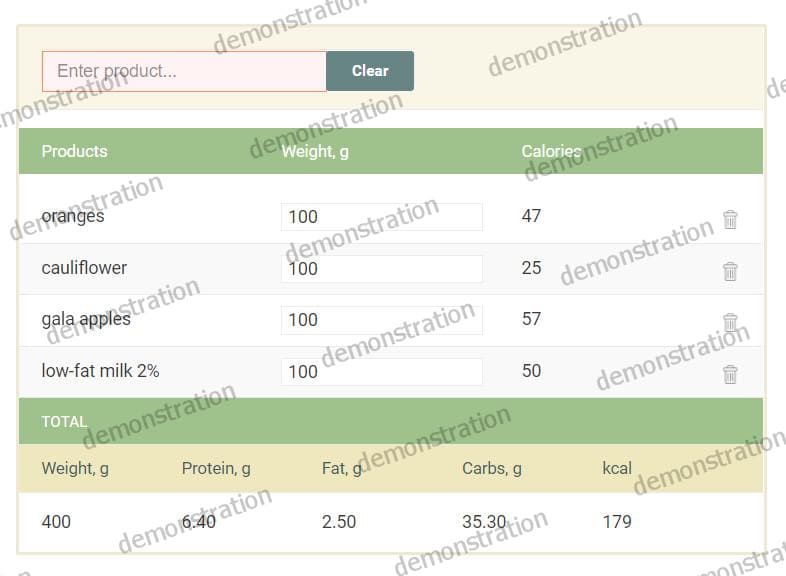
Use the «Food Nutrition Calculator» to find the calorie-count of over 14,000 different meals and foods quickly and easily.
Food Calorie Calculator
Screenshot
Use the weight converter to convert pounds to kilograms, ounces to grams and other metric to imperial weight conversions. Enter the weight in one of the text boxes and press the Convert button:
You can use the Calorie Calculator:
Screenshot
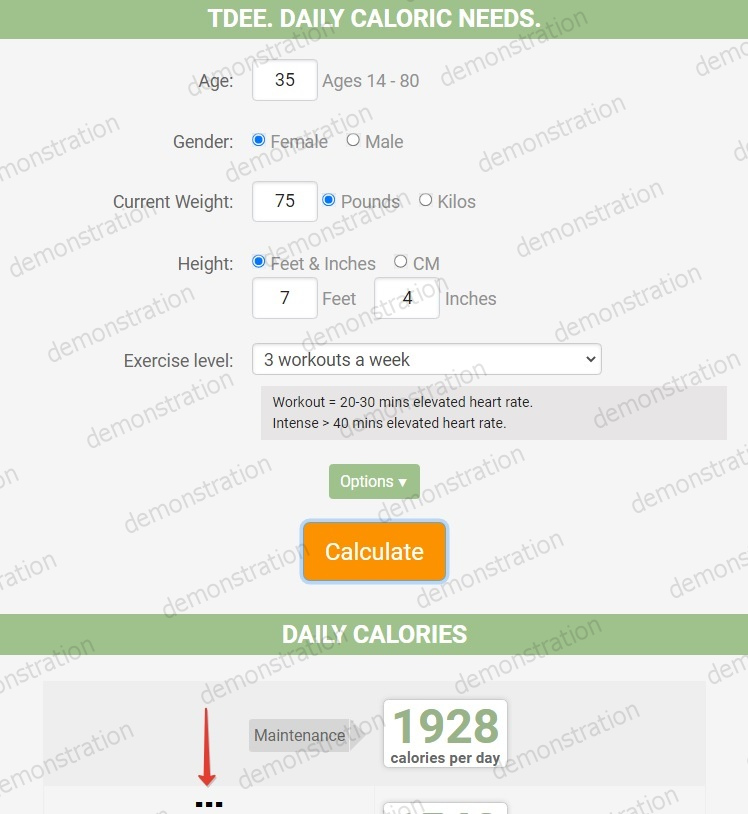
The Calorie Calculator for Weight Loss can help you determine how many calories you need to consume each day.
