


Beef Tenderloin, Raw: Complete Nutrition Facts and Health Benefits
Beef tenderloin, one of the most prized cuts of beef, is renowned for its exceptional tenderness and mild flavor. Often called filet mignon when cut into steaks, this premium cut comes from the loin section of the cow and offers impressive nutritional value. Understanding the nutrition facts of raw beef tenderloin can help you make informed dietary choices and appreciate the health benefits this lean protein source provides.
| Name | Amount | Unit |
|---|---|---|
| Water | 71.2 | g |
| Energy | 146 | kcal |
| Energy | 611 | kJ |
| Protein | 21 | g |
| Total lipid (fat) | 6.88 | g |
| Ash | 1.04 | g |
| Carbohydrate, by difference | 0 | g |
| Fiber, total dietary | 0 | g |
| Sugars, total including NLEA | 0 | g |
| Calcium, Ca | 4 | mg |
| Iron, Fe | 2.18 | mg |
| Magnesium, Mg | 24 | mg |
| Phosphorus, P | 203 | mg |
| Potassium, K | 359 | mg |
| Sodium, Na | 39 | mg |
| Zinc, Zn | 2.32 | mg |
| Copper, Cu | 0.102 | mg |
| Manganese, Mn | 0.012 | mg |
| Selenium, Se | 4.3 | µg |
| Vitamin C, total ascorbic acid | 0 | mg |
| Thiamin | 0.055 | mg |
| Riboflavin | 0.118 | mg |
| Niacin | 4.02 | mg |
| Pantothenic acid | 0.569 | mg |
| Vitamin B-6 | 0.264 | mg |
| Vitamin B-12 | 1.76 | µg |
| Vitamin B-12, added | 0 | µg |
| Vitamin A, RAE | 9 | µg |
| Retinol | 9 | µg |
| Carotene, beta | 0 | µg |
| Carotene, alpha | 0 | µg |
| Cryptoxanthin, beta | 0 | µg |
| Vitamin A, IU | 30 | IU |
| Lycopene | 0 | µg |
| Lutein + zeaxanthin | 0 | µg |
| Vitamin E (alpha-tocopherol) | 0.59 | mg |
| Vitamin E, added | 0 | mg |
| Vitamin D (D2 + D3), International Units | 4 | IU |
| Vitamin D (D2 + D3) | 0.1 | µg |
| Vitamin D3 (cholecalciferol) | 0.1 | µg |
| Fatty acids, total saturated | 2.79 | g |
| SFA 4:0 | 0 | g |
| SFA 6:0 | 0 | g |
| SFA 8:0 | 0 | g |
| SFA 10:0 | 0.003 | g |
| SFA 12:0 | 0.003 | g |
| SFA 14:0 | 0.125 | g |
| SFA 16:0 | 1.29 | g |
| SFA 17:0 | 0.102 | g |
| SFA 18:0 | 1.25 | g |
| SFA 20:0 | 0.008 | g |
| SFA 22:0 | 0.005 | g |
| SFA 24:0 | 0.001 | g |
| Fatty acids, total monounsaturated | 2.03 | g |
| MUFA 14:1 | 0.016 | g |
| MUFA 15:1 | 0.003 | g |
| MUFA 16:1 | 0.129 | g |
| MUFA 16:1 c | 0.104 | g |
| MUFA 17:1 | 0 | g |
| MUFA 18:1 | 1.88 | g |
| MUFA 18:1 c | 1.75 | g |
| MUFA 20:1 | 0.006 | g |
| MUFA 22:1 | 0 | g |
| MUFA 22:1 c | 0 | g |
| MUFA 24:1 c | 0.002 | g |
| Fatty acids, total polyunsaturated | 0.268 | g |
| PUFA 18:2 | 0.11 | g |
| PUFA 18:2 n-6 c,c | 0.085 | g |
| PUFA 18:2 CLAs | 0.024 | g |
| PUFA 18:3 | 0.067 | g |
| PUFA 18:3 n-3 c,c,c (ALA) | 0.064 | g |
| PUFA 18:3 n-6 c,c,c | 0.003 | g |
| PUFA 18:4 | 0 | g |
| PUFA 20:2 n-6 c,c | 0.005 | g |
| PUFA 20:3 | 0.009 | g |
| PUFA 20:3 n-3 | 0.002 | g |
| PUFA 20:4 n-6 | 0.006 | g |
| PUFA 20:4 | 0.026 | g |
| PUFA 2:4 n-6 | 0.026 | g |
| PUFA 20:5 n-3 (EPA) | 0.019 | g |
| PUFA 22:5 n-3 (DPA) | 0.021 | g |
| PUFA 22:6 n-3 (DHA) | 0.004 | g |
| Fatty acids, total trans | 0.151 | g |
| Fatty acids, total trans-monoenoic | 0.151 | g |
| TFA 16:1 t | 0.026 | g |
| TFA 18:1 t | 0.125 | g |
| TFA 18:2 t,t | 0 | g |
| Fatty acids, total trans-polyenoic | 0 | g |
| Cholesterol | 58 | mg |
| Tryptophan | 0.22 | g |
| Threonine | 0.762 | g |
| Isoleucine | 0.875 | g |
| Leucine | 1.59 | g |
| Lysine | 1.66 | g |
| Methionine | 0.692 | g |
| Phenylalanine | 0.818 | g |
| Tyrosine | 0.708 | g |
| Valine | 0.929 | g |
| Arginine | 1.38 | g |
| Histidine | 0.758 | g |
| Alanine | 1.1 | g |
| Glutamic acid | 2.93 | g |
| Glycine | 1.15 | g |
| Proline | 0.675 | g |
| Serine | 0.74 | g |
| Alcohol, ethyl | 0 | g |
| Caffeine | 0 | mg |
| Theobromine | 0 | mg |
Nutritional Profile Overview
Raw beef tenderloin is a nutrient-dense food that provides high-quality protein along with essential vitamins and minerals. Based on a 100-gram (3.5-ounce) serving of raw, separable lean beef tenderloin, here’s what you’ll find:
Macronutrients
Calories: Approximately 155-170 calories per 100 grams, making it a relatively moderate-calorie protein source.
Protein: About 20-22 grams of complete protein, containing all nine essential amino acids necessary for muscle building, tissue repair, and numerous bodily functions. This makes beef tenderloin an excellent choice for athletes, active individuals, and anyone looking to maintain or build lean muscle mass.
Fat: Roughly 7-9 grams of total fat, which includes a mix of saturated and unsaturated fats. When trimmed of visible fat, tenderloin is one of the leaner beef cuts available. The fat content includes approximately 3-4 grams of saturated fat, 3-4 grams of monounsaturated fat, and trace amounts of polyunsaturated fat.
Carbohydrates: Zero grams. Like all fresh meat, beef tenderloin contains no carbohydrates or fiber, making it suitable for low-carb and ketogenic diets.
Essential Vitamins
Raw beef tenderloin is particularly rich in B-complex vitamins, which play crucial roles in energy metabolism and nervous system function:
Vitamin B12 (Cobalamin): One of the most abundant nutrients in beef tenderloin, providing approximately 1.5-2.5 micrograms per 100 grams, which represents about 60-100% of the daily recommended value. B12 is essential for red blood cell formation, neurological function, and DNA synthesis.
Niacin (Vitamin B3): Contains roughly 6-8 milligrams, offering about 40-50% of the daily value. Niacin supports digestive health, skin health, and nervous system function.
Vitamin B6 (Pyridoxine): Provides approximately 0.5-0.7 milligrams per 100 grams, contributing to protein metabolism and cognitive development.
Riboflavin (Vitamin B2): Delivers about 0.2-0.3 milligrams, supporting cellular energy production and growth.
Pantothenic Acid (Vitamin B5): Contains around 0.6-0.8 milligrams, which aids in the synthesis of coenzyme A and energy metabolism.
Essential Minerals
Beef tenderloin is an excellent source of bioavailable minerals that are easily absorbed by the body:
Iron: Provides approximately 2-3 milligrams of heme iron per 100 grams, which is more readily absorbed than the non-heme iron found in plant sources. This represents about 15-20% of the daily recommended intake and is crucial for oxygen transport and preventing anemia.
Zinc: Contains roughly 4-5 milligrams, offering about 35-45% of the daily value. Zinc supports immune function, wound healing, protein synthesis, and DNA synthesis.
Selenium: Delivers approximately 25-30 micrograms, providing about 40-55% of the daily recommended amount. Selenium acts as an antioxidant and supports thyroid function.
Phosphorus: Provides around 200-220 milligrams, contributing to bone health and energy production.
Potassium: Contains about 300-350 milligrams, which helps regulate fluid balance and supports cardiovascular health.
Magnesium: Offers approximately 20-25 milligrams, supporting muscle and nerve function.
Health Benefits of Beef Tenderloin
High-Quality Protein Source: The complete protein in beef tenderloin contains all essential amino acids in optimal proportions for human nutrition, supporting muscle maintenance, growth, and recovery.
Rich in Bioavailable Nutrients: The vitamins and minerals in beef tenderloin are in forms that the body can easily absorb and utilize, particularly iron and zinc, which are more bioavailable from meat sources than plant sources.
Supports Energy Levels: The B-vitamin complex in beef tenderloin plays a vital role in converting food into usable energy, helping combat fatigue and supporting overall vitality.
Promotes Immune Function: The combination of zinc, selenium, iron, and protein supports a healthy immune system and the body’s natural defense mechanisms.
Aids Muscle Recovery: The high protein content and amino acid profile make beef tenderloin an excellent post-workout food for athletes and active individuals.
Comparing Beef Tenderloin to Other Cuts
When compared to other popular beef cuts, tenderloin stands out for its leanness. It typically contains less fat than ribeye, New York strip, or T-bone steaks, making it one of the healthier beef options for those watching their fat intake. However, it’s slightly higher in calories and fat compared to ultra-lean cuts like eye of round or sirloin tip.
Considerations and Recommendations
Quality Matters: Choose grass-fed or organic beef tenderloin when possible, as these options may contain higher levels of omega-3 fatty acids and conjugated linoleic acid (CLA), along with a better overall nutrient profile.
Trimming: Selecting “choice” or “select” grades and trimming visible fat can further reduce the calorie and saturated fat content while maintaining the protein and micronutrient benefits.
Portion Control: A typical serving size is 3-4 ounces (85-115 grams) of cooked meat, which shrinks from about 4-5 ounces raw due to moisture loss during cooking.
Balanced Diet: While beef tenderloin offers excellent nutrition, it should be consumed as part of a varied diet that includes vegetables, fruits, whole grains, and other protein sources to ensure comprehensive nutrient intake.
Conclusion
Raw beef tenderloin is a nutritional powerhouse that combines exceptional protein quality with an impressive array of essential vitamins and minerals. Its relatively lean profile among beef cuts, coupled with high levels of B vitamins, iron, and zinc, makes it a valuable addition to a health-conscious diet. Whether you’re an athlete looking to support muscle recovery, someone managing iron levels, or simply seeking high-quality protein, beef tenderloin delivers substantial nutritional benefits. By understanding its complete nutrition facts, you can make informed decisions about incorporating this premium cut into your balanced eating plan.
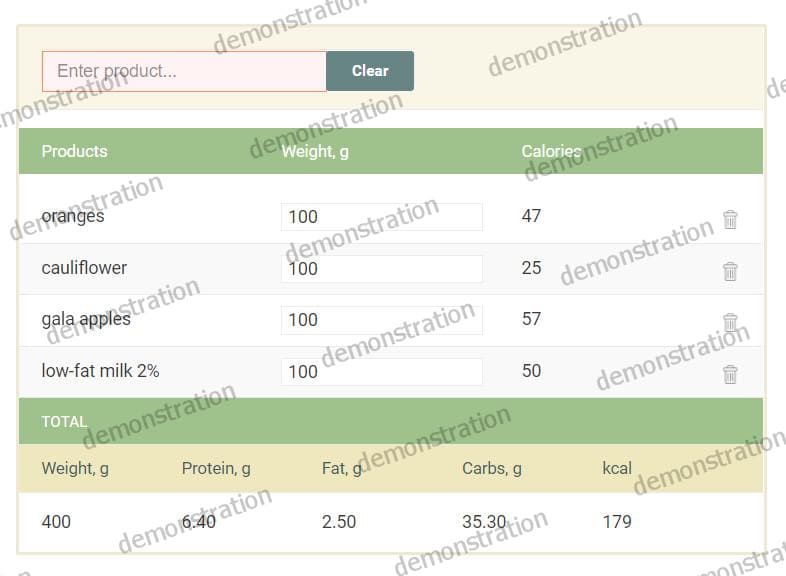
Use the «Food Nutrition Calculator» to find the calorie-count of over 14,000 different meals and foods quickly and easily.
Food Calorie Calculator
Screenshot
Use the weight converter to convert pounds to kilograms, ounces to grams and other metric to imperial weight conversions. Enter the weight in one of the text boxes and press the Convert button:
You can use the Calorie Calculator:
Screenshot
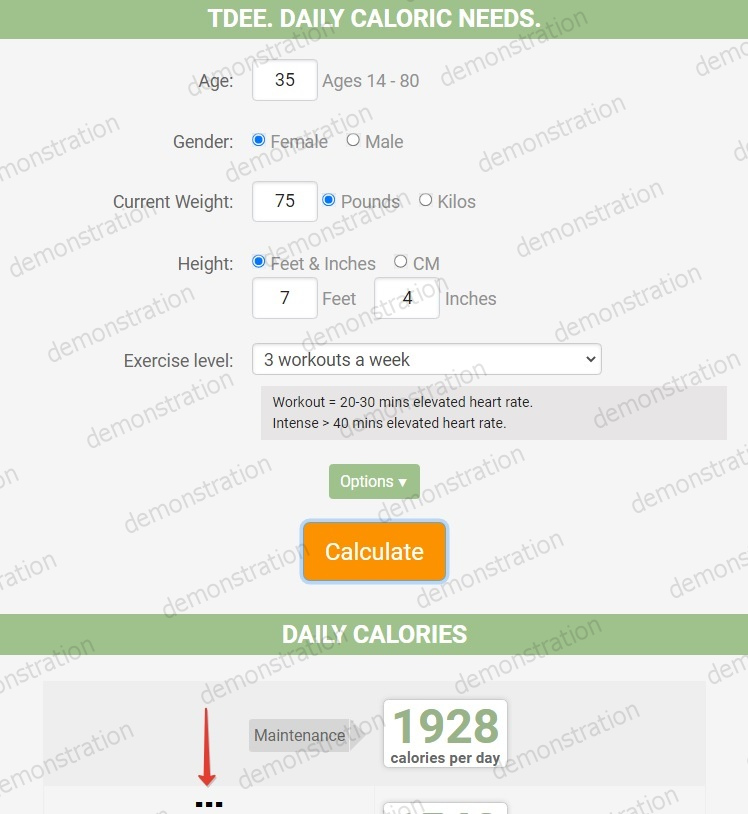
The Calorie Calculator for Weight Loss can help you determine how many calories you need to consume each day.
