


Raw Beef Tongue Nutrition Facts: A Complete Nutritional Breakdown
Beef tongue is an often-overlooked organ meat that offers impressive nutritional value. While it may seem unconventional to some Western palates, this delicacy has been consumed across cultures for centuries and provides a unique nutrient profile that distinguishes it from conventional muscle meats.
| Name | Amount | Unit |
|---|---|---|
| Water | 64.5 | g |
| Energy | 224 | kcal |
| Energy | 937 | kJ |
| Protein | 14.9 | g |
| Total lipid (fat) | 16.1 | g |
| Ash | 0.8 | g |
| Carbohydrate, by difference | 3.68 | g |
| Fiber, total dietary | 0 | g |
| Calcium, Ca | 6 | mg |
| Iron, Fe | 2.95 | mg |
| Magnesium, Mg | 16 | mg |
| Phosphorus, P | 133 | mg |
| Potassium, K | 315 | mg |
| Sodium, Na | 69 | mg |
| Zinc, Zn | 2.87 | mg |
| Copper, Cu | 0.17 | mg |
| Manganese, Mn | 0.026 | mg |
| Selenium, Se | 9.4 | µg |
| Vitamin C, total ascorbic acid | 3.1 | mg |
| Thiamin | 0.125 | mg |
| Riboflavin | 0.34 | mg |
| Niacin | 4.24 | mg |
| Pantothenic acid | 0.653 | mg |
| Vitamin B-6 | 0.31 | mg |
| Folate, total | 7 | µg |
| Folic acid | 0 | µg |
| Folate, food | 7 | µg |
| Folate, DFE | 7 | µg |
| Vitamin B-12 | 3.79 | µg |
| Vitamin A, RAE | 0 | µg |
| Retinol | 0 | µg |
| Vitamin A, IU | 0 | IU |
| Fatty acids, total saturated | 7 | g |
| SFA 4:0 | 0 | g |
| SFA 6:0 | 0 | g |
| SFA 8:0 | 0 | g |
| SFA 10:0 | 0.02 | g |
| SFA 12:0 | 0.09 | g |
| SFA 14:0 | 0.57 | g |
| SFA 16:0 | 4.22 | g |
| SFA 18:0 | 2.1 | g |
| Fatty acids, total monounsaturated | 7.24 | g |
| MUFA 16:1 | 0.55 | g |
| MUFA 18:1 | 6.55 | g |
| MUFA 20:1 | 0.14 | g |
| MUFA 22:1 | 0 | g |
| Fatty acids, total polyunsaturated | 0.9 | g |
| PUFA 18:2 | 0.58 | g |
| PUFA 18:3 | 0 | g |
| PUFA 18:4 | 0 | g |
| PUFA 20:4 | 0.31 | g |
| PUFA 20:5 n-3 (EPA) | 0 | g |
| PUFA 22:5 n-3 (DPA) | 0 | g |
| PUFA 22:6 n-3 (DHA) | 0 | g |
| Cholesterol | 87 | mg |
| Tryptophan | 0.114 | g |
| Threonine | 0.648 | g |
| Isoleucine | 0.641 | g |
| Leucine | 1.11 | g |
| Lysine | 1.15 | g |
| Methionine | 0.315 | g |
| Cystine | 0.195 | g |
| Phenylalanine | 0.615 | g |
| Tyrosine | 0.482 | g |
| Valine | 0.713 | g |
| Arginine | 0.949 | g |
| Histidine | 0.386 | g |
| Alanine | 0.858 | g |
| Aspartic acid | 1.36 | g |
| Glutamic acid | 2.05 | g |
| Glycine | 0.894 | g |
| Proline | 0.696 | g |
| Serine | 0.601 | g |
| Alcohol, ethyl | 0 | g |
Nutritional Profile of Raw Beef Tongue
Raw beef tongue is surprisingly nutrient-dense. Per 100 grams (approximately 3.5 ounces) of raw beef tongue, you’ll find:
Macronutrients: Calories range from 224-250 depending on the cut and fat content. The meat contains approximately 15-16 grams of protein, making it a moderate protein source. Fat content sits around 16-18 grams per 100g serving, with the majority being monounsaturated and saturated fats. Carbohydrates are negligible at less than 1 gram.
Vitamin Content
Beef tongue excels as a source of B vitamins. It provides exceptional amounts of vitamin B12, delivering roughly 3-4 micrograms per 100g, which covers well over 100% of the daily recommended intake. This makes it particularly valuable for those at risk of B12 deficiency. The meat also contains significant amounts of niacin (vitamin B3), riboflavin (vitamin B2), and vitamin B6, all crucial for energy metabolism and nervous system function.
Additionally, beef tongue contains small amounts of fat-soluble vitamins including vitamin A, vitamin D, and vitamin E, though in lesser quantities than water-soluble B vitamins.
Mineral Composition
The mineral profile of beef tongue is particularly impressive. Iron content ranges from 2-3 milligrams per 100g in the highly bioavailable heme form, which the body absorbs more efficiently than plant-based iron sources. Zinc is present at approximately 3-4 milligrams per serving, supporting immune function and wound healing.
Beef tongue also provides meaningful amounts of phosphorus (essential for bone health), selenium (a powerful antioxidant), and smaller quantities of potassium, magnesium, and copper. The sodium content in raw beef tongue is relatively moderate at around 60-80 milligrams per 100g before any salt is added during preparation.
Fat Profile and Cholesterol
The fat in beef tongue consists of roughly 40-45% monounsaturated fats, 40% saturated fats, and 10-15% polyunsaturated fats. While saturated fat has been historically vilified, current nutritional science recognizes its role as part of a balanced diet. Cholesterol content is approximately 130-150 milligrams per 100g serving, which is moderate compared to other organ meats like liver or brain.
Protein Quality
The protein in beef tongue is complete, containing all nine essential amino acids your body cannot produce on its own. The amino acid profile is particularly rich in lysine, leucine, and valine. While the protein percentage by weight is lower than lean muscle meats like chicken breast, the quality remains excellent for muscle maintenance, enzyme production, and immune function.
Comparison to Other Meats
Compared to conventional beef cuts like ribeye or sirloin, beef tongue has a similar calorie density but tends to be slightly higher in fat and lower in protein by percentage. However, it dramatically outperforms muscle meats in terms of B vitamin content, particularly B12. When compared to other organ meats like liver, beef tongue is lower in vitamins A and D but offers a milder flavor that many find more palatable.
Culinary and Nutritional Considerations
These nutrition facts reflect raw beef tongue before cooking. The cooking process, particularly braising or boiling which are common preparation methods, can concentrate some nutrients while others may leach into cooking liquid. The outer skin or membrane is typically removed before consumption, which also affects the final nutritional profile.
When incorporating beef tongue into your diet, remember that cooking methods and portion sizes will influence your actual nutrient intake. Braised or slow-cooked preparations retain most nutrients while making the meat tender and flavorful.
Health Considerations
Beef tongue can be part of a healthy diet, particularly for those looking to increase their intake of bioavailable iron and vitamin B12. However, like all red meats, it should be consumed in moderation as part of a varied diet rich in vegetables, fruits, and whole grains. Those monitoring their saturated fat or cholesterol intake should account for beef tongue’s contribution to these totals.
The high vitamin B12 content makes beef tongue especially beneficial for individuals following diets low in animal products (who occasionally include some meat), pregnant women, older adults, and those with absorption issues.
Conclusion
Raw beef tongue offers a robust nutritional package with high-quality protein, abundant B vitamins especially B12, and essential minerals like iron and zinc. While its fat content is moderate to high, it provides a different nutrient profile than lean muscle meats, making it a valuable addition to a diverse, whole-foods diet. Whether you’re exploring nose-to-tail eating, seeking specific nutrients, or simply curious about this traditional food, beef tongue deserves consideration for its nutritional merits.
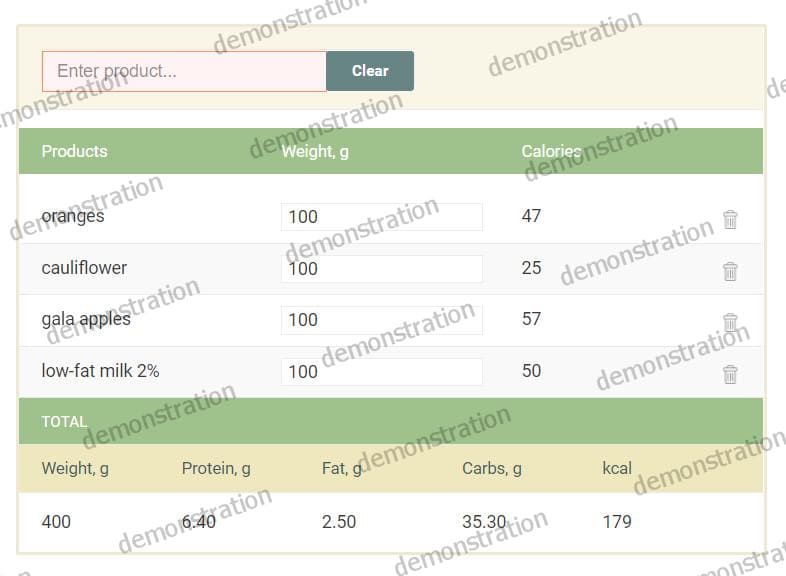
Use the «Food Nutrition Calculator» to find the calorie-count of over 14,000 different meals and foods quickly and easily.
Food Calorie Calculator
Screenshot
Use the weight converter to convert pounds to kilograms, ounces to grams and other metric to imperial weight conversions. Enter the weight in one of the text boxes and press the Convert button:
You can use the Calorie Calculator:
Screenshot
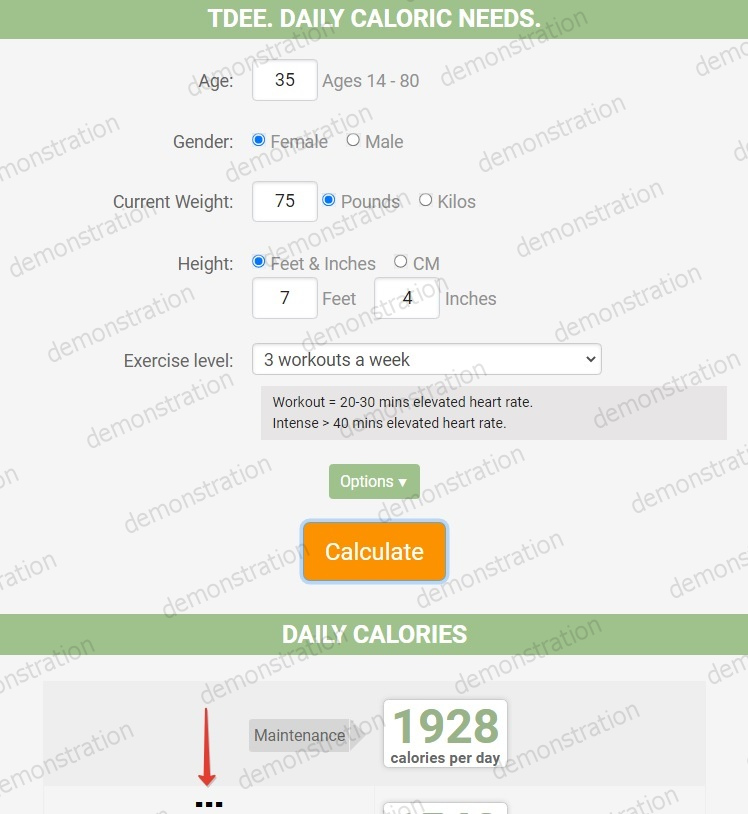
The Calorie Calculator for Weight Loss can help you determine how many calories you need to consume each day.
