


Raw Beets Nutrition Facts: A Complete Nutritional Breakdown
Raw beets are vibrant, earthy root vegetables packed with essential nutrients that support overall health. Whether you’re adding them to salads, juicing them, or incorporating them into your meals, understanding their nutritional profile can help you maximize their health benefits.
| Name | Amount | Unit |
|---|---|---|
| Water | 87.6 | g |
| Energy | 43 | kcal |
| Protein | 1.61 | g |
| Total lipid (fat) | 0.17 | g |
| Carbohydrate, by difference | 9.56 | g |
| Fiber, total dietary | 2.8 | g |
| Sugars, total including NLEA | 6.76 | g |
| Calcium, Ca | 16 | mg |
| Iron, Fe | 0.8 | mg |
| Magnesium, Mg | 23 | mg |
| Phosphorus, P | 40 | mg |
| Potassium, K | 325 | mg |
| Sodium, Na | 78 | mg |
| Zinc, Zn | 0.35 | mg |
| Copper, Cu | 0.075 | mg |
| Selenium, Se | 0.7 | µg |
| Vitamin C, total ascorbic acid | 4.9 | mg |
| Thiamin | 0.031 | mg |
| Riboflavin | 0.04 | mg |
| Niacin | 0.334 | mg |
| Vitamin B-6 | 0.067 | mg |
| Folate, total | 109 | µg |
| Folic acid | 0 | µg |
| Folate, food | 109 | µg |
| Folate, DFE | 109 | µg |
| Choline, total | 6 | mg |
| Vitamin B-12 | 0 | µg |
| Vitamin B-12, added | 0 | µg |
| Vitamin A, RAE | 2 | µg |
| Retinol | 0 | µg |
| Carotene, beta | 20 | µg |
| Carotene, alpha | 0 | µg |
| Cryptoxanthin, beta | 0 | µg |
| Lycopene | 0 | µg |
| Lutein + zeaxanthin | 0 | µg |
| Vitamin E (alpha-tocopherol) | 0.04 | mg |
| Vitamin E, added | 0 | mg |
| Vitamin D (D2 + D3) | 0 | µg |
| Vitamin K (phylloquinone) | 0.2 | µg |
| Fatty acids, total saturated | 0.027 | g |
| SFA 4:0 | 0 | g |
| SFA 6:0 | 0 | g |
| SFA 8:0 | 0 | g |
| SFA 10:0 | 0 | g |
| SFA 12:0 | 0 | g |
| SFA 14:0 | 0 | g |
| SFA 16:0 | 0.026 | g |
| SFA 18:0 | 0.001 | g |
| Fatty acids, total monounsaturated | 0.032 | g |
| MUFA 16:1 | 0 | g |
| MUFA 18:1 | 0.032 | g |
| MUFA 20:1 | 0 | g |
| MUFA 22:1 | 0 | g |
| Fatty acids, total polyunsaturated | 0.06 | g |
| PUFA 18:2 | 0.055 | g |
| PUFA 18:3 | 0.005 | g |
| PUFA 18:4 | 0 | g |
| PUFA 20:4 | 0 | g |
| PUFA 2:5 n-3 (EPA) | 0 | g |
| PUFA 22:5 n-3 (DPA) | 0 | g |
| PUFA 22:6 n-3 (DHA) | 0 | g |
| Cholesterol | 0 | mg |
| Alcohol, ethyl | 0 | g |
| Caffeine | 0 | mg |
| Theobromine | 0 | mg |
The nutrition facts are provided by the United States Department of Agriculture for Beet (100 g). www.usda.gov
Nutritional Profile of Raw Beets
One cup (136 grams) of raw beets provides approximately:
Macronutrients
- Calories: 58
- Protein: 2.2 grams
- Carbohydrates: 13 grams
- Fiber: 3.8 grams
- Sugars: 9.2 grams
- Fat: 0.2 grams
Vitamins
Raw beets are an excellent source of several vital vitamins:
- Folate (Vitamin B9): 148 mcg (37% Daily Value) – Essential for DNA synthesis and cell division
- Vitamin C: 6.7 mg (11% DV) – Supports immune function and collagen production
- Vitamin B6: 0.09 mg (5% DV) – Important for brain development and function
- Thiamine (Vitamin B1): 0.04 mg (3% DV) – Helps convert nutrients into energy
- Riboflavin (Vitamin B2): 0.05 mg (4% DV) – Supports cellular function and energy production
Minerals
Beets contain important minerals that support various bodily functions:
- Manganese: 0.45 mg (20% DV) – Crucial for bone health and metabolism
- Potassium: 442 mg (9% DV) – Regulates blood pressure and heart function
- Magnesium: 31 mg (7% DV) – Supports muscle and nerve function
- Iron: 1.1 mg (6% DV) – Essential for oxygen transport in blood
- Phosphorus: 54 mg (4% DV) – Important for bone health
- Copper: 0.1 mg (11% DV) – Aids in iron absorption
Key Bioactive Compounds
Nitrates
Raw beets are one of the richest dietary sources of natural nitrates, which convert to nitric oxide in the body. This compound helps dilate blood vessels, improving blood flow and potentially lowering blood pressure.
Betalains
These pigments give beets their deep red color and provide powerful antioxidant and anti-inflammatory properties. The two main types are betacyanins (red-violet pigments) and betaxanthins (yellow pigments).
Fiber
With nearly 4 grams per cup, raw beets provide both soluble and insoluble fiber, supporting digestive health, promoting feelings of fullness, and helping regulate blood sugar levels.
Health Benefits of Raw Beets
Cardiovascular Support
The high nitrate content in raw beets may help lower blood pressure by promoting vasodilation. Studies suggest that beetroot consumption can reduce systolic and diastolic blood pressure, potentially benefiting heart health.
Exercise Performance
Athletes often consume beet juice before workouts because nitrates can improve oxygen delivery to muscles, enhance endurance, and reduce the oxygen cost of exercise.
Anti-Inflammatory Properties
Betalains in beets have been shown to reduce inflammation markers in the body, which may help protect against chronic diseases.
Digestive Health
The fiber content supports healthy digestion, promotes regular bowel movements, and feeds beneficial gut bacteria.
Brain Function
The nitrates in beets may improve blood flow to the brain, particularly to areas associated with executive function and decision-making, potentially supporting cognitive health as we age.
Detoxification Support
Betalains support the body’s phase 2 detoxification process, helping neutralize and eliminate toxins.
How to Incorporate Raw Beets Into Your Diet
Raw beets can be enjoyed in various ways:
- Salads: Grate or thinly slice raw beets for a colorful, crunchy addition
- Juicing: Blend with apples, carrots, or citrus for a nutritious beverage
- Smoothies: Add small amounts for color and nutrition
- Pickled: Quick-pickle sliced beets for a tangy side dish
- Spiralized: Use as a vibrant pasta alternative
Considerations and Precautions
Beeturia
Some people experience red or pink urine after eating beets, a harmless condition called beeturia. This affects 10-14% of the population and is not a cause for concern.
Oxalates
Beets contain oxalates, which can contribute to kidney stone formation in susceptible individuals. Those with a history of kidney stones should moderate their intake.
Blood Pressure
Due to their blood pressure-lowering effects, people on blood pressure medication should consult their healthcare provider before significantly increasing beet consumption.
FODMAPs
Beets contain moderate amounts of FODMAPs, which may cause digestive discomfort in people with irritable bowel syndrome (IBS).
Storage and Preparation Tips
To maximize freshness and nutrition:
- Choose firm, smooth beets with fresh, unwilted greens attached
- Store in the refrigerator for up to 2-3 weeks
- Wash thoroughly and peel if desired (the skin is edible and nutritious)
- Wear gloves when handling to avoid staining hands
- Don’t discard beet greens – they’re highly nutritious and can be eaten raw or cooked
Conclusion
Raw beets are a nutritional powerhouse, offering an impressive array of vitamins, minerals, and beneficial plant compounds. With their high folate content, cardiovascular benefits, and anti-inflammatory properties, they deserve a place in a healthy, balanced diet. Whether you enjoy them grated in salads, blended into juice, or incorporated into creative raw preparations, raw beets provide both nutritional value and vibrant color to your meals.
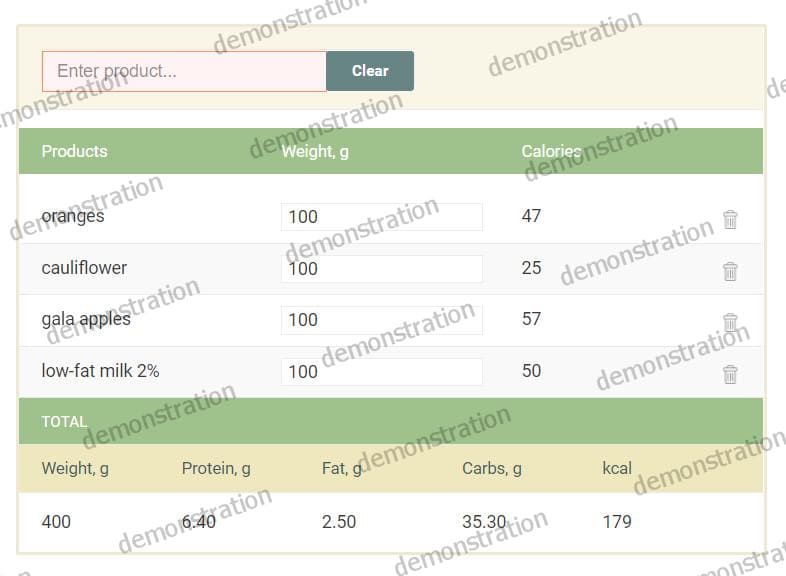
Use the «Food Nutrition Calculator» to find the calorie-count of over 14,000 different meals and foods quickly and easily.
Food Calorie Calculator
Screenshot
Use the weight converter to convert pounds to kilograms, ounces to grams and other metric to imperial weight conversions. Enter the weight in one of the text boxes and press the Convert button:
You can use the Calorie Calculator:
Screenshot
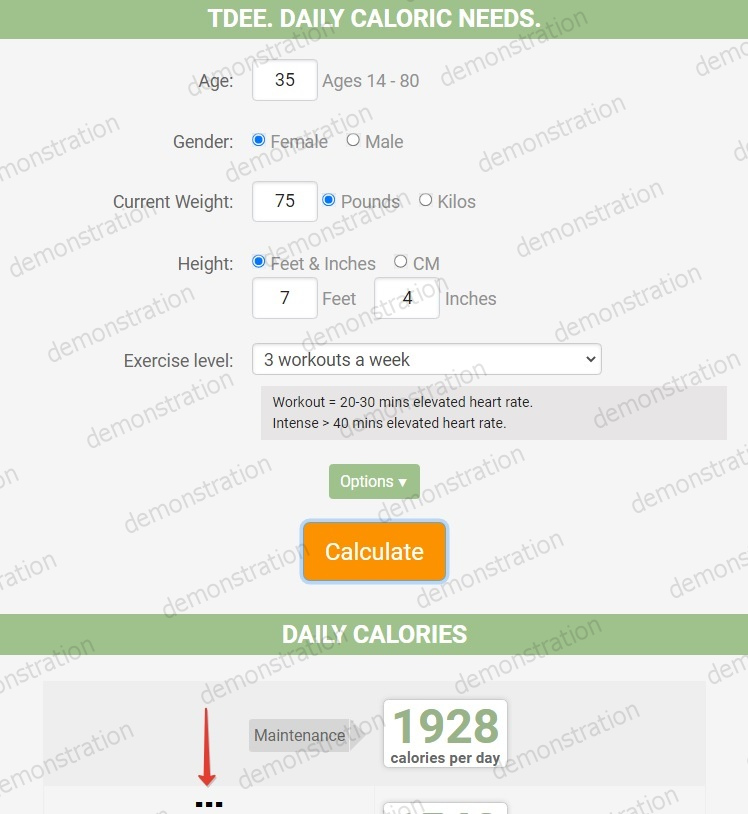
The Calorie Calculator for Weight Loss can help you determine how many calories you need to consume each day.
