


Black Caviar Nutrition Facts: A Complete Nutritional Guide
Black caviar, the luxurious delicacy harvested from sturgeon roe, is renowned not only for its exquisite taste but also for its impressive nutritional profile. This prized food delivers a concentrated source of essential nutrients, omega-3 fatty acids, and high-quality protein in every small serving. Understanding the nutritional composition of black caviar reveals why this ancient food has been valued for both culinary pleasure and health benefits for centuries.
| Name | Amount | Unit |
|---|---|---|
| Water | 47.5 | g |
| Energy | 264 | kcal |
| Energy | 1100 | kJ |
| Protein | 24.6 | g |
| Total lipid (fat) | 17.9 | g |
| Ash | 6.5 | g |
| Carbohydrate, by difference | 4 | g |
| Fiber, total dietary | 0 | g |
| Sugars, total including NLEA | 0 | g |
| Calcium, Ca | 275 | mg |
| Iron, Fe | 11.9 | mg |
| Magnesium, Mg | 300 | mg |
| Phosphorus, P | 356 | mg |
| Potassium, K | 181 | mg |
| Sodium, Na | 1500 | mg |
| Zinc, Zn | 0.95 | mg |
| Copper, Cu | 0.11 | mg |
| Manganese, Mn | 0.05 | mg |
| Selenium, Se | 65.5 | µg |
| Vitamin C, total ascorbic acid | 0 | mg |
| Thiamin | 0.19 | mg |
| Riboflavin | 0.62 | mg |
| Niacin | 0.12 | mg |
| Pantothenic acid | 3.5 | mg |
| Vitamin B-6 | 0.32 | mg |
| Folate, total | 50 | µg |
| Folic acid | 0 | µg |
| Folate, food | 50 | µg |
| Folate, DFE | 50 | µg |
| Choline, total | 491 | mg |
| Vitamin B-12 | 20 | µg |
| Vitamin B-12, added | 0 | µg |
| Vitamin A, RAE | 271 | µg |
| Retinol | 271 | µg |
| Carotene, beta | 0 | µg |
| Carotene, alpha | 0 | µg |
| Cryptoxanthin, beta | 0 | µg |
| Vitamin A, IU | 905 | IU |
| Lycopene | 0 | µg |
| Lutein + zeaxanthin | 648 | µg |
| Vitamin E (alpha-tocopherol) | 1.89 | mg |
| Vitamin E, added | 0 | mg |
| Vitamin D (D2 + D3), International Units | 117 | IU |
| Vitamin D (D2 + D3) | 2.9 | µg |
| Vitamin D3 (cholecalciferol) | 2.9 | µg |
| Vitamin K (phylloquinone) | 0.6 | µg |
| Fatty acids, total saturated | 4.06 | g |
| SFA 4:0 | 0 | g |
| SFA 6:0 | 0 | g |
| SFA 8:0 | 0 | g |
| SFA 10:0 | 0 | g |
| SFA 12:0 | 0 | g |
| SFA 14:0 | 0.212 | g |
| SFA 16:0 | 3.56 | g |
| SFA 18:0 | 0.293 | g |
| Fatty acids, total monounsaturated | 4.63 | g |
| MUFA 16:1 | 1.04 | g |
| MUFA 18:1 | 3.16 | g |
| MUFA 20:1 | 0.309 | g |
| MUFA 22:1 | 0.114 | g |
| Fatty acids, total polyunsaturated | 7.4 | g |
| PUFA 18:2 | 0.081 | g |
| PUFA 18:3 | 0.017 | g |
| PUFA 18:4 | 0.033 | g |
| PUFA 20:4 | 0.505 | g |
| PUFA 20:5 n-3 (EPA) | 2.74 | g |
| PUFA 22:5 n-3 (DPA) | 0.229 | g |
| PUFA 22:6 n-3 (DHA) | 3.8 | g |
| Cholesterol | 588 | mg |
| Tryptophan | 0.323 | g |
| Threonine | 1.26 | g |
| Isoleucine | 1.04 | g |
| Leucine | 2.13 | g |
| Lysine | 1.83 | g |
| Methionine | 0.646 | g |
| Cystine | 0.449 | g |
| Phenylalanine | 1.07 | g |
| Tyrosine | 0.968 | g |
| Valine | 1.26 | g |
| Arginine | 1.59 | g |
| Histidine | 0.649 | g |
| Alanine | 1.65 | g |
| Aspartic acid | 2.38 | g |
| Glutamic acid | 3.63 | g |
| Glycine | 0.74 | g |
| Proline | 1.2 | g |
| Serine | 1.9 | g |
| Alcohol, ethyl | 0 | g |
| Caffeine | 0 | mg |
| Theobromine | 0 | mg |
The nutrition facts are provided by the United States Department of Agriculture for Black Caviar (100 g). www.usda.gov
Nutritional Breakdown of Black Caviar
A standard serving of black caviar is typically one tablespoon (approximately 16 grams). Despite its small serving size, caviar packs a significant nutritional punch. Here’s what you’ll find in this elegant delicacy:
| Nutrient | Per Tablespoon (16g) | % Daily Value |
|---|---|---|
| Calories | 42-45 | 2% |
| Protein | 4g | 8% |
| Total Fat | 3g | 4% |
| Omega-3 Fatty Acids | 1,000mg | — |
| Cholesterol | 94mg | 31% |
| Sodium | 240mg | 10% |
| Carbohydrates | 0.6g | <1% |
Key Vitamins and Minerals in Black Caviar
Beyond macronutrients, black caviar is exceptionally rich in micronutrients that support various bodily functions. The vitamin and mineral content makes caviar a genuinely nutritious food choice, not merely a luxury indulgence.
Vitamin B12
Black caviar is an outstanding source of vitamin B12, providing approximately 3.2 micrograms per tablespoon, which represents over 50% of the recommended daily intake. This essential vitamin supports nerve function, DNA synthesis, and red blood cell formation. For individuals following diets low in animal products, caviar offers one of the most concentrated sources of this critical nutrient.
Vitamin D
Each serving contains roughly 37 IU of vitamin D, contributing about 9% of daily needs. This fat-soluble vitamin plays crucial roles in calcium absorption, bone health, and immune system function.
Vitamin A
Caviar provides approximately 257 IU of vitamin A per tablespoon, supporting vision, immune function, and skin health. The vitamin A in caviar comes in the highly bioavailable retinol form.
Iron
With about 1.8mg of iron per serving, caviar supplies approximately 10% of the daily requirement for this essential mineral. Iron from fish roe is in the heme form, which the body absorbs more efficiently than plant-based iron sources.
Selenium
Black caviar contains significant amounts of selenium, an important antioxidant mineral that supports thyroid function and helps protect cells from oxidative damage.
Magnesium
This mineral, present in moderate amounts in caviar, contributes to muscle function, nerve transmission, and energy production.
Omega-3 Fatty Acids: The Heart-Healthy Fats
One of the most impressive nutritional features of black caviar is its omega-3 fatty acid content. Each tablespoon delivers approximately 1,000 milligrams of these essential fats, primarily in the forms of EPA (eicosapentaenoic acid) and DHA (docosahexaenoic acid).
These omega-3s offer numerous health benefits. They reduce inflammation throughout the body, support cardiovascular health by improving cholesterol profiles and reducing triglycerides, promote brain function and cognitive health, and support eye health and visual development. The omega-3s in caviar are particularly valuable because they come in their most bioavailable marine forms, requiring no conversion by the body as plant-based omega-3s do.
Protein Quality and Amino Acid Profile
The protein found in black caviar is complete, meaning it contains all nine essential amino acids that the body cannot produce on its own. With 4 grams of protein per tablespoon, caviar provides high-quality protein in a concentrated form. This protein supports muscle maintenance and repair, enzyme and hormone production, immune system function, and cellular structure and function.
The amino acid profile of caviar is particularly rich in arginine, which supports cardiovascular health and immune function, as well as lysine, important for collagen formation and calcium absorption.
Cholesterol Content: What You Need to Know
Black caviar does contain a notable amount of cholesterol, with approximately 94 milligrams per tablespoon. While this represents about 31% of the previously recommended daily limit, current nutritional science has evolved in its understanding of dietary cholesterol.
Research now shows that for most people, dietary cholesterol has a minimal impact on blood cholesterol levels compared to saturated and trans fats. The omega-3 fatty acids and other beneficial nutrients in caviar may actually help improve overall cholesterol profiles by raising HDL (good) cholesterol and lowering triglycerides. However, individuals with specific health conditions or those monitoring cholesterol intake should consult with healthcare providers about appropriate consumption levels.
Sodium Considerations
Black caviar naturally contains salt, as it’s used in the curing process to preserve the delicate roe. A tablespoon typically contains around 240 milligrams of sodium, which represents about 10% of the recommended daily limit of 2,300 milligrams.
For those watching sodium intake due to hypertension or other health concerns, portion control becomes important. The naturally small serving sizes of caviar actually work in your favor here, as it’s typically enjoyed in modest amounts rather than consumed in large quantities.
Health Benefits Beyond Basic Nutrition
The concentrated nutrient profile of black caviar translates into several potential health benefits. The combination of omega-3 fatty acids, vitamins, and minerals supports cardiovascular health by reducing inflammation and improving lipid profiles. The high B12 content supports neurological health and cognitive function, while selenium and vitamin A provide antioxidant protection against cellular damage.
The protein and iron content support energy levels and combat fatigue, and the vitamin D and omega-3s contribute to mood regulation and mental health. The comprehensive nutrient profile supports immune system function through multiple pathways.
Comparing Different Types of Black Caviar
While the nutritional profiles of different sturgeon varieties are quite similar, there are subtle variations worth noting. Beluga caviar, from the largest sturgeon species, tends to have slightly higher fat content and a richer omega-3 profile. Osetra caviar offers a balanced nutritional profile with excellent vitamin and mineral content. Sevruga caviar, from smaller sturgeons, is often slightly lower in fat but remains nutrient-dense.
These differences are minor, and all varieties of authentic sturgeon caviar provide excellent nutritional value.
How to Incorporate Black Caviar into a Healthy Diet
Despite its luxury status and rich nutritional profile, moderation remains key when enjoying black caviar. The standard serving size of one tablespoon allows you to benefit from the nutrients without excessive calories or sodium. Caviar pairs beautifully with nutrient-rich foods like whole grain blinis, crème fraîche, eggs, and fresh vegetables.
Traditional serving methods often emphasize minimal accompaniments, allowing the caviar itself to be the star while keeping the overall dish relatively light. For those interested in the nutritional benefits, enjoying caviar as part of a balanced diet rich in vegetables, whole grains, and other whole foods maximizes its health contributions.
Storage and Freshness: Preserving Nutritional Value
Proper storage of black caviar not only maintains its delicate flavor but also preserves its nutritional integrity. Caviar should be kept at temperatures between 26-32°F, slightly warmer than standard freezer temperatures but colder than regular refrigeration. Once opened, caviar should be consumed within 2-3 days to ensure both quality and nutritional value.
Exposure to air, light, and temperature fluctuations can degrade sensitive nutrients like omega-3 fatty acids and vitamins, so proper handling is essential for maximizing the health benefits of this precious food.
Conclusion: A Nutritional Delicacy
Black caviar stands out as a food that genuinely earns its reputation on both culinary and nutritional grounds. Its impressive array of omega-3 fatty acids, complete proteins, essential vitamins, and important minerals make it far more than an indulgent treat. While it should be enjoyed in moderation due to its sodium and cholesterol content, the overall nutritional profile of black caviar supports various aspects of health, from cardiovascular function to cognitive performance.
Whether you appreciate caviar for its exquisite taste, its cultural significance, or its nutritional benefits, understanding what this delicacy offers can enhance your enjoyment and help you make informed decisions about incorporating it into a balanced, health-conscious diet. In the world of luxury foods, black caviar is one of the few that can claim to be both a gastronomic treasure and a nutritional powerhouse.
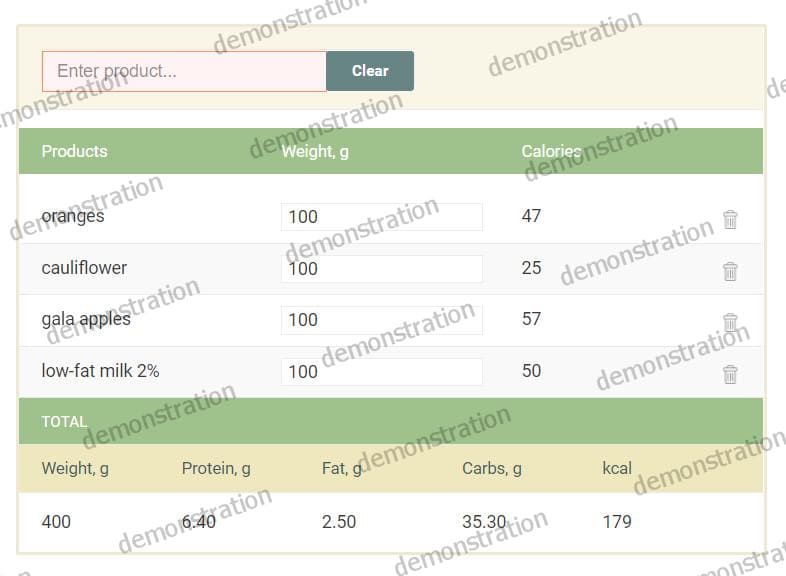
Use the «Food Nutrition Calculator» to find the calorie-count of over 14,000 different meals and foods quickly and easily.
Food Calorie Calculator
Screenshot
Use the weight converter to convert pounds to kilograms, ounces to grams and other metric to imperial weight conversions. Enter the weight in one of the text boxes and press the Convert button:
You can use the Calorie Calculator:
Screenshot
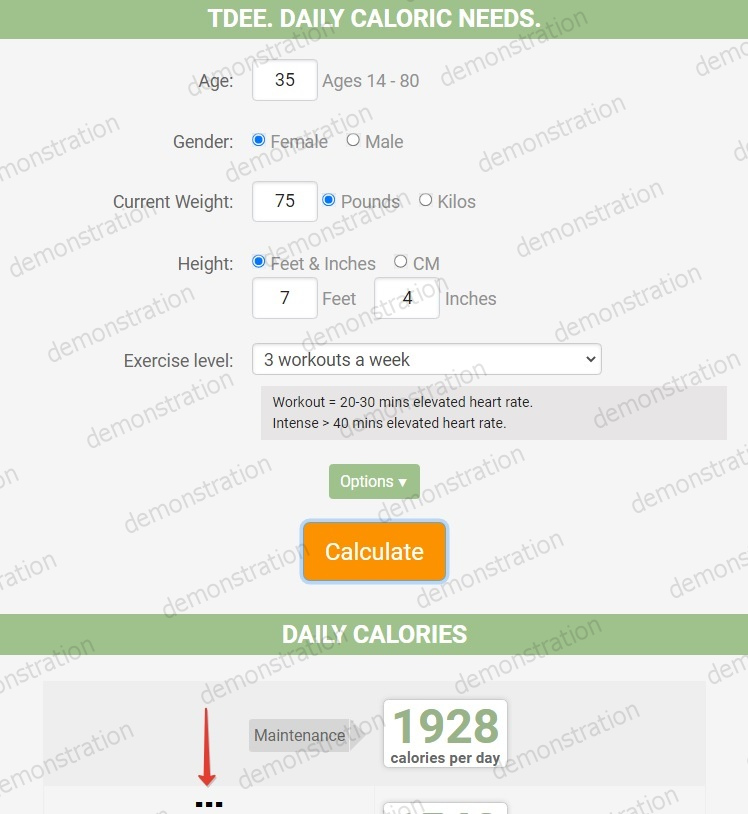
The Calorie Calculator for Weight Loss can help you determine how many calories you need to consume each day.
