


Blackberries, Raw: Complete Nutrition Facts
Protein
Fats
Carbs
kcal
Protein
Fats
Carbs
kcal
Blackberries are particularly high in dietary fiber, with a 100-gram serving providing over 20% of the daily recommended intake. Fiber is important for maintaining digestive health and can also help lower cholesterol levels. Blackberries are also a good source of vitamin C, which is important for immune function, skin health, and wound healing.
| Name | Amount | Unit |
|---|---|---|
| Water | 88.2 | g |
| Energy | 43 | kcal |
| Protein | 1.39 | g |
| Total lipid (fat) | 0.49 | g |
| Carbohydrate, by difference | 9.61 | g |
| Fiber, total dietary | 5.3 | g |
| Sugars, total including NLEA | 4.88 | g |
| Calcium, Ca | 29 | mg |
| Iron, Fe | 0.62 | mg |
| Magnesium, Mg | 20 | mg |
| Phosphorus, P | 22 | mg |
| Potassium, K | 162 | mg |
| Sodium, Na | 1 | mg |
| Zinc, Zn | 0.53 | mg |
| Copper, Cu | 0.165 | mg |
| Selenium, Se | 0.4 | µg |
| Vitamin C, total ascorbic acid | 21 | mg |
| Thiamin | 0.02 | mg |
| Riboflavin | 0.026 | mg |
| Niacin | 0.646 | mg |
| Vitamin B-6 | 0.03 | mg |
| Folate, total | 25 | µg |
| Folic acid | 0 | µg |
| Folate, food | 25 | µg |
| Folate, DFE | 25 | µg |
| Choline, total | 8.5 | mg |
| Vitamin B-12 | 0 | µg |
| Vitamin B-12, added | 0 | µg |
| Vitamin A, RAE | 11 | µg |
| Retinol | 0 | µg |
| Carotene, beta | 128 | µg |
| Carotene, alpha | 0 | µg |
| Cryptoxanthin, beta | 0 | µg |
| Lycopene | 0 | µg |
| Lutein + zeaxanthin | 118 | µg |
| Vitamin E (alpha-tocopherol) | 1.17 | mg |
| Vitamin E, added | 0 | mg |
| Vitamin D (D2 + D3) | 0 | µg |
| Vitamin K (phylloquinone) | 19.8 | µg |
| Fatty acids, total saturated | 0.014 | g |
| SFA 4:0 | 0 | g |
| SFA 6:0 | 0 | g |
| SFA 8:0 | 0 | g |
| SFA 10:0 | 0 | g |
| SFA 12:0 | 0 | g |
| SFA 14:0 | 0 | g |
| SFA 16:0 | 0.012 | g |
| SFA 18:0 | 0.003 | g |
| Fatty acids, total monounsaturated | 0.047 | g |
| MUFA 16:1 | 0 | g |
| MUFA 18:1 | 0.044 | g |
| MUFA 20:1 | 0.004 | g |
| MUFA 22:1 | 0 | g |
| Fatty acids, total polyunsaturated | 0.28 | g |
| PUFA 18:2 | 0.186 | g |
| PUFA 18:3 | 0.094 | g |
| PUFA 18:4 | 0 | g |
| PUFA 20:4 | 0 | g |
| PUFA 2:5 n-3 (EPA) | 0 | g |
| PUFA 22:5 n-3 (DPA) | 0 | g |
| PUFA 22:6 n-3 (DHA) | 0 | g |
| Cholesterol | 0 | mg |
| Alcohol, ethyl | 0 | g |
| Caffeine | 0 | mg |
| Theobromine | 0 | mg |
The nutrition facts are provided by the United States Department of Agriculture for Blackberries (100 g). www.usda.gov
Blackberries are one of nature’s most nutrient-dense fruits, packed with vitamins, minerals, fiber, and powerful antioxidants. These glossy, dark purple berries offer an impressive nutritional profile while remaining low in calories, making them an excellent choice for health-conscious individuals.
Nutritional Overview
A standard serving of raw blackberries (100 grams, or about 3/4 cup) contains approximately:
Basic Nutrients: 43 calories, 0.5 grams of fat, 9.6 grams of carbohydrates, 5.3 grams of fiber, 4.9 grams of natural sugars, and 1.4 grams of protein. The high fiber content is particularly noteworthy, providing about 21% of the daily recommended value in just one serving.
Vitamins in Raw Blackberries
Blackberries are exceptionally rich in vitamin C, with 100 grams providing approximately 21 milligrams, or about 35% of the daily recommended intake. This essential vitamin supports immune function, collagen production, and acts as a powerful antioxidant.
These berries also contain notable amounts of vitamin K (20 micrograms per 100g, about 25% of daily needs), which plays a crucial role in blood clotting and bone health. Additionally, blackberries provide vitamin E, folate, and several B vitamins including niacin, pantothenic acid, and pyridoxine.
Mineral Content
The mineral profile of blackberries includes manganese (0.6 milligrams per 100g, roughly 30% of daily value), an essential nutrient for metabolism and bone development. They also provide magnesium, potassium, calcium, iron, and zinc in smaller but beneficial amounts. The potassium content (162 milligrams per 100g) supports healthy blood pressure and cardiovascular function.
Antioxidant Power
What truly sets blackberries apart is their extraordinary antioxidant content. They’re loaded with anthocyanins, the pigments responsible for their deep purple-black color, which have been studied for their anti-inflammatory and disease-fighting properties. Blackberries also contain ellagic acid, gallic acid, and various flavonols that work together to combat oxidative stress in the body.
Research suggests that the antioxidants in blackberries may help protect against cellular damage, support brain health, and reduce the risk of chronic diseases including heart disease and certain cancers.
Fiber and Digestive Health
With over 5 grams of fiber per 100-gram serving, blackberries are an excellent source of both soluble and insoluble fiber. This promotes digestive health, helps regulate blood sugar levels, supports healthy cholesterol levels, and contributes to feelings of fullness that can aid in weight management.
Low Glycemic Impact
Despite their natural sweetness, blackberries have a relatively low glycemic index, meaning they don’t cause rapid spikes in blood sugar. This makes them a smart choice for people managing diabetes or those looking to maintain stable energy levels throughout the day.
Health Benefits
The comprehensive nutritional profile of blackberries translates into numerous health benefits. Regular consumption may support immune system function, promote healthy skin through vitamin C and antioxidants, enhance brain function and memory, reduce inflammation throughout the body, support cardiovascular health, and aid in maintaining healthy blood sugar levels.
How to Enjoy Raw Blackberries
Raw blackberries are incredibly versatile. Enjoy them fresh as a snack, add them to breakfast cereals or yogurt, blend them into smoothies, toss them in salads for a sweet-tart contrast, or use them as a topping for oatmeal or desserts. For maximum nutritional benefit, consume them raw and fresh, as cooking can reduce their vitamin C content.
Storage and Selection
Choose plump, deeply colored berries without soft spots or mold. Fresh blackberries are highly perishable and should be refrigerated, where they’ll keep for about 3-5 days. Rinse them gently just before eating to preserve their quality.
Conclusion
Raw blackberries stand out as a nutritional powerhouse, delivering exceptional amounts of fiber, vitamin C, vitamin K, manganese, and antioxidants while remaining low in calories. Incorporating these delicious berries into your regular diet is a simple, enjoyable way to boost your overall nutrition and support long-term health.
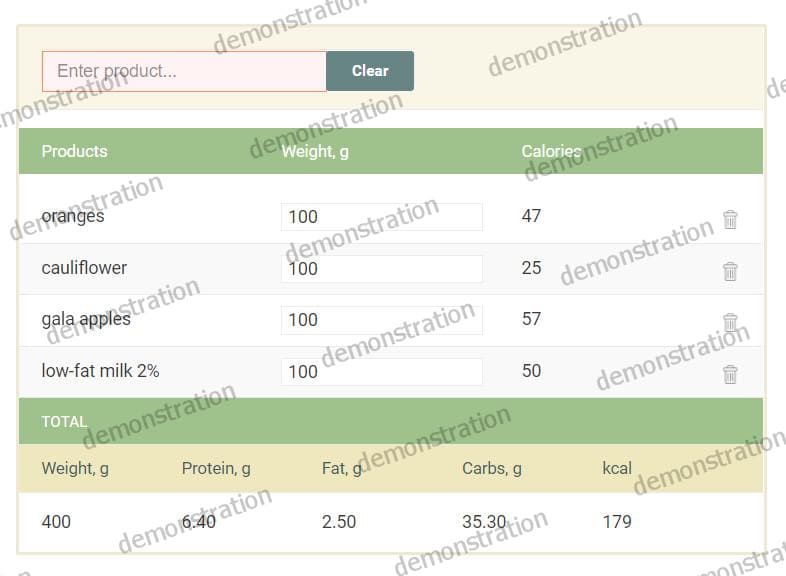
Use the «Food Nutrition Calculator» to find the calorie-count of over 14,000 different meals and foods quickly and easily.
Food Calorie Calculator
Screenshot
Use the weight converter to convert pounds to kilograms, ounces to grams and other metric to imperial weight conversions. Enter the weight in one of the text boxes and press the Convert button:
You can use the Calorie Calculator:
Screenshot
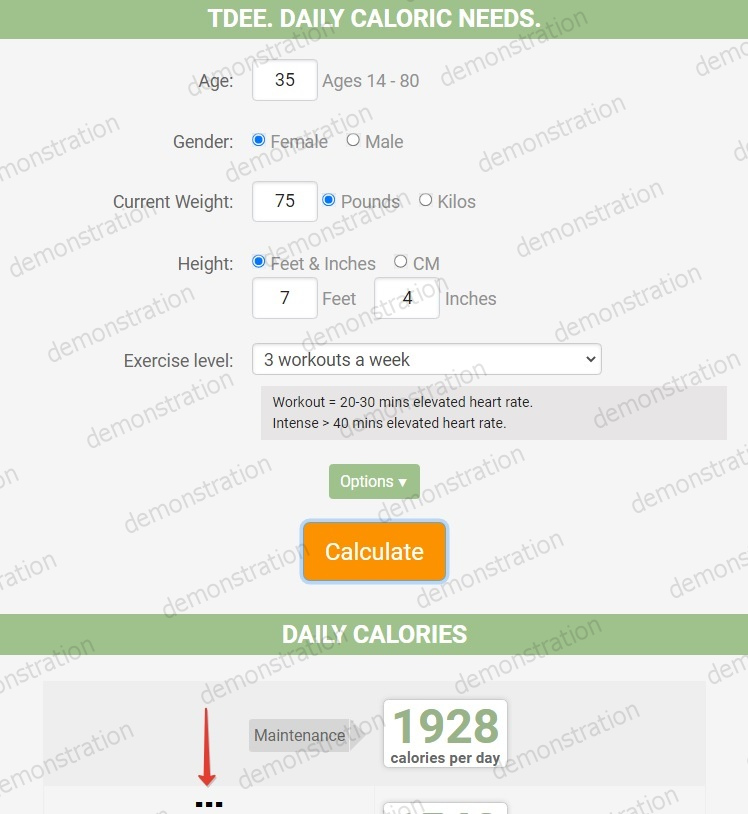
The Calorie Calculator for Weight Loss can help you determine how many calories you need to consume each day.
