


Brown Beans, Dry: Complete Nutrition Facts and Health Benefits
The following nutrition facts are provided by the United States Department of Agriculture for beans, dry, brown (100 g). https://www.usda.gov/
| Name | Average Amount | Unit |
| Proximates: | ||
| Water | 0 | g |
| Protein | 25.6 | g |
| Total lipid (fat) | 1.12 | g |
| Carbohydrates: | ||
| Fiber, total dietary | 4.1 | g |
| Starch | 37.2 | g |
| Minerals: | ||
| Calcium, Ca | 158 | mg |
| Iron, Fe | 4.7 | mg |
| Magnesium, Mg | 158 | mg |
| Phosphorus, P | 543 | mg |
| Potassium, K | 1580 | mg |
| Zinc, Zn | 3.71 | mg |
| Copper, Cu | 1.03 | mg |
| Manganese, Mn | 1.87 | mg |
| Sulfur, S | 254 | mg |
| Nickel, Ni | 256 | µg |
| Molybdenum, Mo | 1150 | µg |
| Cobalt, Co | 55 | µg |
| Boron, B | 1040 | µg |
The nutrition facts are provided by the United States Department of Agriculture for Brown Beans (100 g). www.usda.gov
Brown beans, also known as Swedish brown beans or Norwegian brown beans, are a nutritious legume variety that has been a dietary staple in Scandinavian and other cuisines for centuries. These small, oval-shaped beans offer an impressive nutritional profile, making them an excellent choice for anyone seeking to boost their protein intake, increase fiber consumption, or add more plant-based foods to their diet.
Nutritional Profile of Dry Brown Beans
Understanding the nutritional content of dry brown beans helps you make informed dietary choices. The following nutritional information is based on a standard 100-gram (approximately 3.5 ounces) serving of dry, uncooked brown beans.
Macronutrients
Dry brown beans are particularly rich in protein and complex carbohydrates. A 100-gram serving typically contains approximately 21-23 grams of protein, making them an excellent plant-based protein source. They provide around 60-63 grams of carbohydrates, most of which come from complex carbs and dietary fiber rather than simple sugars. The fat content is minimal, usually around 1-1.5 grams per serving, with virtually no saturated fat.
The caloric value of dry brown beans sits at approximately 330-340 calories per 100 grams. This calorie count is for the dry beans, and it’s important to note that beans absorb significant water during cooking, which dilutes the calorie density considerably in the prepared product.
Fiber Content
One of the standout nutritional features of brown beans is their exceptional fiber content. Dry brown beans contain approximately 15-16 grams of dietary fiber per 100-gram serving, which represents more than half of the daily recommended intake for most adults. This fiber includes both soluble and insoluble types, each offering distinct health benefits for digestive health, blood sugar regulation, and cholesterol management.
Vitamins
Brown beans provide a variety of essential vitamins, particularly B-complex vitamins. They’re an excellent source of folate (vitamin B9), with one serving providing a substantial portion of the daily requirement. This makes them particularly beneficial for pregnant women and those looking to support cellular health. Brown beans also contain notable amounts of thiamin (vitamin B1), which supports energy metabolism, and smaller amounts of riboflavin, niacin, and vitamin B6.
Minerals
The mineral content of brown beans is equally impressive. They’re particularly rich in iron, providing approximately 6-7 milligrams per 100 grams, which is significant for maintaining healthy red blood cell production. Magnesium content is also substantial, at around 140-150 milligrams, supporting muscle and nerve function. Brown beans offer good amounts of phosphorus, potassium, zinc, and manganese as well.
Calcium is present in moderate amounts, contributing to bone health. The potassium content, typically around 1,200-1,400 milligrams per 100 grams, helps regulate blood pressure and supports cardiovascular health.
Health Benefits of Brown Beans
Digestive Health
The high fiber content in brown beans promotes healthy digestion by adding bulk to stool and supporting regular bowel movements. The combination of soluble and insoluble fiber also feeds beneficial gut bacteria, contributing to a healthy microbiome. This prebiotic effect can improve overall digestive function and may reduce the risk of digestive disorders.
Heart Health
Brown beans support cardiovascular health through multiple mechanisms. The soluble fiber helps reduce LDL cholesterol levels, while the potassium content aids in blood pressure regulation. The absence of cholesterol and the minimal saturated fat content make brown beans a heart-friendly food choice. Studies on legume consumption consistently show associations with reduced cardiovascular disease risk.
Blood Sugar Management
The complex carbohydrates and high fiber content in brown beans result in a low glycemic index, meaning they cause a gradual rise in blood sugar rather than sharp spikes. This makes them particularly beneficial for people with diabetes or those looking to maintain stable energy levels throughout the day. The protein content also helps slow digestion and promote satiety.
Weight Management
Despite being calorie-dense in their dry form, brown beans are highly satiating due to their protein and fiber content. When cooked, they absorb water and expand significantly, creating filling meals with relatively moderate calorie content. The combination of protein and fiber helps reduce appetite and may support weight management goals.
Plant-Based Protein Source
For vegetarians, vegans, and anyone looking to reduce meat consumption, brown beans offer an excellent source of plant-based protein. While they’re not a complete protein on their own, combining them with grains creates a complete amino acid profile, making them a cornerstone of plant-based diets worldwide.
Preparation and Cooking Considerations
The nutritional values listed for dry brown beans change significantly once cooked. Beans typically triple in weight and volume during cooking as they absorb water. This means that 100 grams of dry beans will yield approximately 250-300 grams of cooked beans. The calorie and nutrient density per gram decreases proportionally, though the absolute nutrient content remains the same.
Soaking brown beans before cooking is recommended not only to reduce cooking time but also to help break down some of the complex sugars that can cause digestive discomfort. Rinsing soaked beans and cooking them in fresh water can further improve digestibility.
Potential Considerations
While brown beans are nutritious, some people may experience digestive discomfort, particularly bloating and gas, when consuming beans. This is due to oligosaccharides, complex sugars that humans cannot fully digest. Gradually increasing bean consumption, proper soaking and cooking methods, and adequate hydration can help minimize these effects.
Brown beans contain purines, which may be a consideration for individuals managing gout or high uric acid levels. Additionally, like other legumes, brown beans contain phytates, which can reduce the absorption of certain minerals. However, soaking and cooking significantly reduces phytate content.
Incorporating Brown Beans into Your Diet
Brown beans are incredibly versatile and can be incorporated into numerous dishes. They work well in soups, stews, salads, and as a side dish. Their mild, slightly sweet flavor and creamy texture when cooked make them adaptable to various cuisines and cooking styles. They can be seasoned simply with herbs and spices or incorporated into complex recipes.
A typical serving size of cooked brown beans is about one-half to one cup, which provides substantial nutrition while being easy to digest for most people. This serving size offers approximately 7-8 grams of protein and 5-6 grams of fiber, along with significant amounts of minerals and vitamins.
Conclusion
Dry brown beans are a nutritional powerhouse, offering exceptional amounts of protein, fiber, vitamins, and minerals while being low in fat and containing no cholesterol. Their versatility in the kitchen, combined with their impressive health benefits for heart health, digestion, blood sugar management, and weight control, makes them a valuable addition to any diet. Whether you’re following a plant-based lifestyle or simply looking to incorporate more nutritious whole foods into your meals, brown beans deserve a place in your pantry.
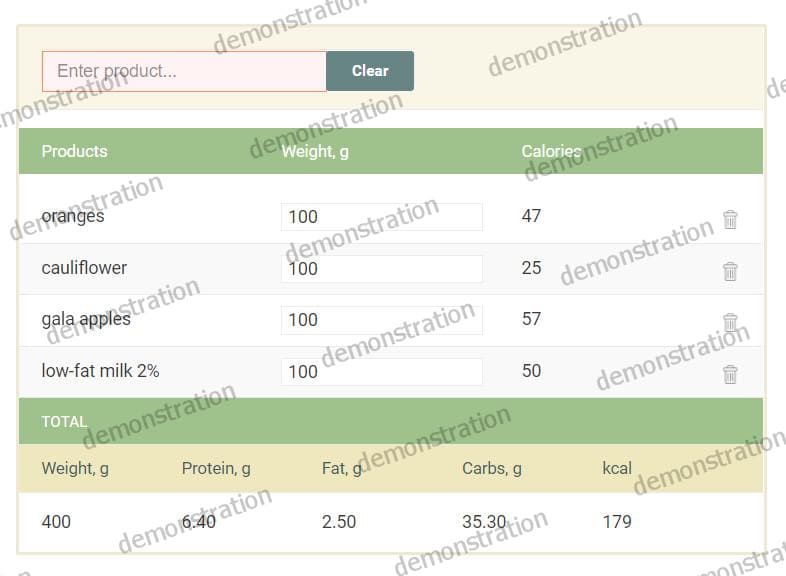
Use the «Food Nutrition Calculator» to find the calorie-count of over 14,000 different meals and foods quickly and easily.
Food Calorie Calculator
Screenshot
Use the weight converter to convert pounds to kilograms, ounces to grams and other metric to imperial weight conversions. Enter the weight in one of the text boxes and press the Convert button:
You can use the Calorie Calculator:
Screenshot
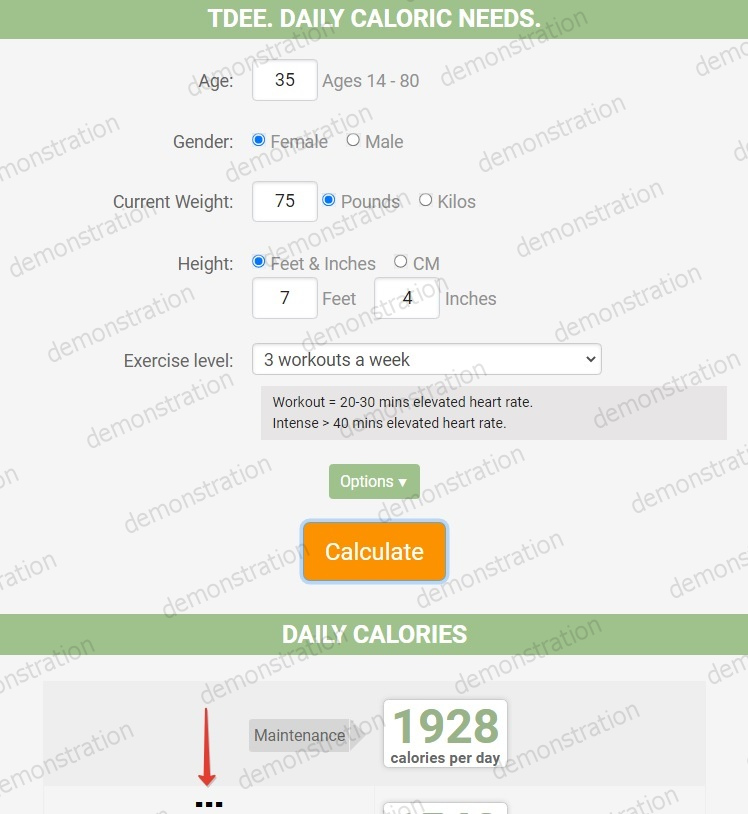
The Calorie Calculator for Weight Loss can help you determine how many calories you need to consume each day.
