Brussels Sprouts, Raw: Nutrition Facts
| Name | Amount | Unit |
|---|---|---|
| Water | 86 | g |
| Energy | 43 | kcal |
| Protein | 3.38 | g |
| Total lipid (fat) | 0.3 | g |
| Carbohydrate, by difference | 8.95 | g |
| Fiber, total dietary | 3.8 | g |
| Sugars, total including NLEA | 2.2 | g |
| Calcium, Ca | 42 | mg |
| Iron, Fe | 1.4 | mg |
| Magnesium, Mg | 23 | mg |
| Phosphorus, P | 69 | mg |
| Potassium, K | 389 | mg |
| Sodium, Na | 25 | mg |
| Zinc, Zn | 0.42 | mg |
| Copper, Cu | 0.07 | mg |
| Selenium, Se | 1.6 | µg |
| Vitamin C, total ascorbic acid | 85 | mg |
| Thiamin | 0.139 | mg |
| Riboflavin | 0.09 | mg |
| Niacin | 0.745 | mg |
| Vitamin B-6 | 0.219 | mg |
| Folate, total | 61 | µg |
| Folic acid | 0 | µg |
| Folate, food | 61 | µg |
| Folate, DFE | 61 | µg |
| Choline, total | 19.1 | mg |
| Vitamin B-12 | 0 | µg |
| Vitamin B-12, added | 0 | µg |
| Vitamin A, RAE | 38 | µg |
| Retinol | 0 | µg |
| Carotene, beta | 450 | µg |
| Carotene, alpha | 6 | µg |
| Cryptoxanthin, beta | 0 | µg |
| Lycopene | 0 | µg |
| Lutein + zeaxanthin | 1590 | µg |
| Vitamin E (alpha-tocopherol) | 0.88 | mg |
| Vitamin E, added | 0 | mg |
| Vitamin D (D2 + D3) | 0 | µg |
| Vitamin K (phylloquinone) | 177 | µg |
| Fatty acids, total saturated | 0.062 | g |
| SFA 4:0 | 0 | g |
| SFA 6:0 | 0 | g |
| SFA 8:0 | 0.002 | g |
| SFA 10:0 | 0 | g |
| SFA 12:0 | 0 | g |
| SFA 14:0 | 0 | g |
| SFA 16:0 | 0.053 | g |
| SFA 18:0 | 0.003 | g |
| Fatty acids, total monounsaturated | 0.023 | g |
| MUFA 16:1 | 0.002 | g |
| MUFA 18:1 | 0.019 | g |
| MUFA 20:1 | 0 | g |
| MUFA 22:1 | 0 | g |
| Fatty acids, total polyunsaturated | 0.153 | g |
| PUFA 18:2 | 0.045 | g |
| PUFA 18:3 | 0.099 | g |
| PUFA 18:4 | 0 | g |
| PUFA 20:4 | 0.001 | g |
| PUFA 2:5 n-3 (EPA) | 0 | g |
| PUFA 22:5 n-3 (DPA) | 0 | g |
| PUFA 22:6 n-3 (DHA) | 0 | g |
| Cholesterol | 0 | mg |
| Alcohol, ethyl | 0 | g |
| Caffeine | 0 | mg |
| Theobromine | 0 | mg |
The nutrition facts are provided by the United States Department of Agriculture for Brussels Sprouts (100 g). www.usda.gov
Serving Size: 100g (approximately 1 cup)
Brussels sprouts are miniature cabbage-like vegetables that pack an impressive nutritional punch in their compact form. These cruciferous vegetables are nutritional powerhouses, offering substantial amounts of vitamins, minerals, and beneficial plant compounds while remaining remarkably low in calories. Whether you’re looking to boost your immune system, support bone health, or simply add more nutrient-dense foods to your diet, raw Brussels sprouts deserve a prominent place on your plate.
Basic Nutritional Profile
| Nutrient | Amount per 100g | % Daily Value* |
|---|---|---|
| Calories | 43 kcal | 2% |
| Water | 86g | – |
| Protein | 3.4g | 7% |
| Total Fat | 0.3g | 0% |
| Carbohydrates | 9g | 3% |
| Dietary Fiber | 3.8g | 15% |
| Sugars | 2.2g | – |
*Percent Daily Values are based on a 2,000 calorie diet
Vitamins in Raw Brussels Sprouts
Raw Brussels sprouts are exceptionally rich in several essential vitamins, particularly vitamin K and vitamin C.
| Vitamin | Amount per 100g | % Daily Value |
|---|---|---|
| Vitamin C | 85 mg | 94% |
| Vitamin K | 177 mcg | 147% |
| Folate (B9) | 61 mcg | 15% |
| Vitamin B6 | 0.22 mg | 13% |
| Vitamin A | 754 IU | 15% |
| Thiamin (B1) | 0.14 mg | 12% |
| Riboflavin (B2) | 0.09 mg | 7% |
| Niacin (B3) | 0.75 mg | 5% |
| Pantothenic Acid (B5) | 0.31 mg | 6% |
| Vitamin E | 0.88 mg | 6% |
Did You Know? Just 100 grams of raw Brussels sprouts provides nearly your entire daily requirement of vitamin K, which is essential for blood clotting and bone health, plus 94% of your vitamin C needs.
Minerals in Raw Brussels Sprouts
Brussels sprouts contain a diverse array of minerals that support various bodily functions, from bone health to enzyme activation.
| Mineral | Amount per 100g | % Daily Value |
|---|---|---|
| Potassium | 389 mg | 11% |
| Manganese | 0.34 mg | 15% |
| Iron | 1.4 mg | 8% |
| Phosphorus | 69 mg | 10% |
| Calcium | 42 mg | 4% |
| Magnesium | 23 mg | 6% |
| Zinc | 0.42 mg | 4% |
| Copper | 0.07 mg | 8% |
| Selenium | 1.6 mcg | 3% |
| Sodium | 25 mg | 1% |
Health Benefits of Raw Brussels Sprouts
Powerful Antioxidant Protection
Raw Brussels sprouts are loaded with antioxidants, including vitamin C, vitamin E, and various phytonutrients like kaempferol and other flavonoids. These compounds help neutralize harmful free radicals in the body, potentially reducing oxidative stress and inflammation. The high vitamin C content particularly supports immune function and collagen production.
Cancer-Fighting Compounds
As members of the cruciferous vegetable family, Brussels sprouts contain glucosinolates, sulfur-containing compounds that break down into biologically active substances when chewed and digested. These compounds, including sulforaphane and indole-3-carbinol, have been studied for their potential cancer-preventive properties, particularly regarding colon, breast, and prostate cancers.
Exceptional Bone Health Support
The extraordinarily high vitamin K content in Brussels sprouts plays a crucial role in bone metabolism and calcium regulation. Vitamin K is essential for the production of osteocalcin, a protein that binds calcium to bone tissue. Regular consumption may help maintain bone density and reduce fracture risk.
Cardiovascular Benefits
The combination of fiber, potassium, folate, and antioxidants in Brussels sprouts supports heart health from multiple angles. Fiber helps manage cholesterol levels, potassium regulates blood pressure, and folate helps reduce homocysteine levels, a risk factor for cardiovascular disease.
Digestive Health and Weight Management
With 3.8 grams of fiber per 100 grams and only 43 calories, Brussels sprouts are excellent for digestive health and weight management. The fiber promotes regular bowel movements, supports beneficial gut bacteria, and helps you feel full longer, making them ideal for those watching their calorie intake.
Raw vs. Cooked: Nutritional Considerations
While cooking Brussels sprouts can make them more palatable and easier to digest for many people, raw Brussels sprouts retain certain heat-sensitive nutrients, particularly vitamin C. However, light cooking can actually increase the availability of some beneficial compounds. The choice between raw and cooked often comes down to personal preference and digestive tolerance.
Tip: If eating Brussels sprouts raw, try shredding them thinly for salads or slaws. This makes them easier to chew and digest while maintaining their nutritional benefits.
How to Incorporate Raw Brussels Sprouts
Raw Brussels sprouts can be enjoyed in various ways beyond traditional cooking methods. Thinly shaved or shredded Brussels sprouts make an excellent base for salads, adding a satisfying crunch and mild, slightly nutty flavor. They pair beautifully with citrus dressings, nuts, dried fruits, and aged cheeses. You can also add them to slaws, grain bowls, or use them as a crunchy topping for soups and other dishes.
Potential Considerations
While Brussels sprouts are highly nutritious, some individuals may need to moderate their intake. People taking blood-thinning medications should consult their healthcare provider due to the high vitamin K content, which can interfere with medication effectiveness. Additionally, cruciferous vegetables contain compounds that can interfere with thyroid function when consumed in very large quantities, though this is rarely a concern with normal dietary intake.
Some people may experience gas or bloating from raw Brussels sprouts due to their fiber and raffinose content. Starting with smaller portions and gradually increasing intake can help your digestive system adapt.
Conclusion
Raw Brussels sprouts are nutritional champions, offering an impressive array of vitamins, minerals, and health-promoting compounds in a low-calorie package. With exceptional amounts of vitamin K and vitamin C, along with fiber, folate, and cancer-fighting glucosinolates, these little green vegetables deserve recognition as a superfood. Whether enjoyed raw in salads or lightly cooked, Brussels sprouts can be a valuable addition to a balanced, health-conscious diet.
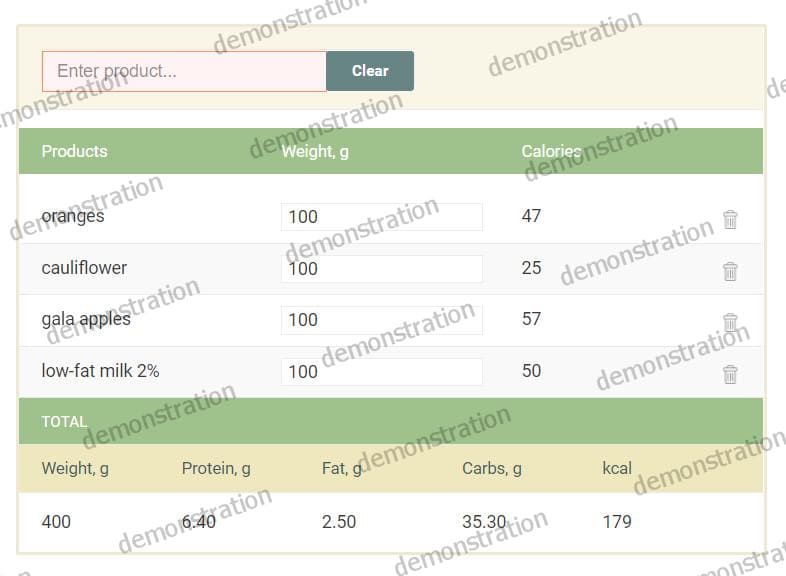
Use the «Food Nutrition Calculator» to find the calorie-count of over 14,000 different meals and foods quickly and easily.
Food Calorie Calculator
Screenshot
Use the weight converter to convert pounds to kilograms, ounces to grams and other metric to imperial weight conversions. Enter the weight in one of the text boxes and press the Convert button:
You can use the Calorie Calculator:
Screenshot
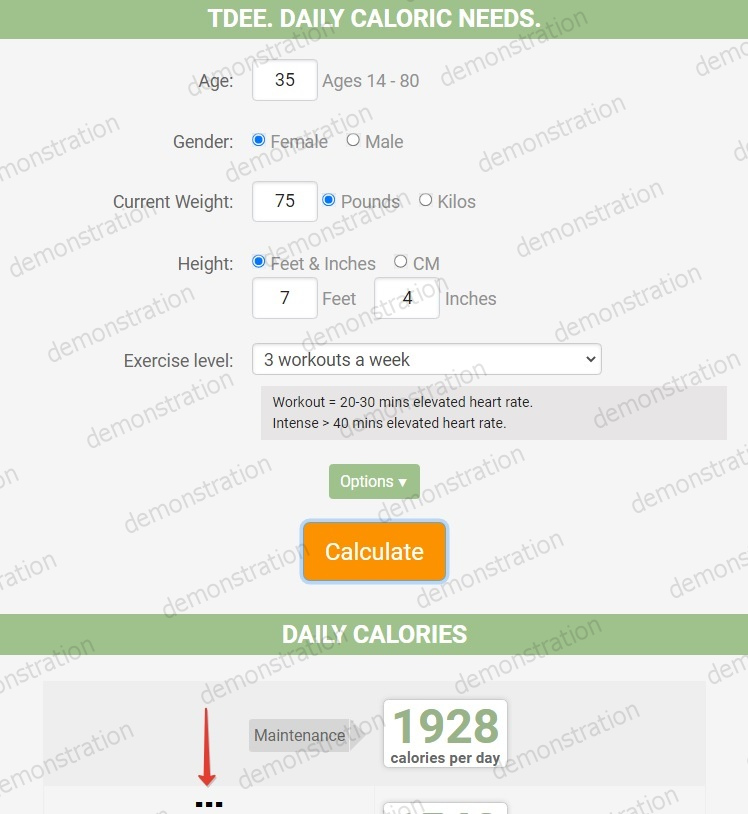
The Calorie Calculator for Weight Loss can help you determine how many calories you need to consume each day.