Broccoli, Raw, Nutrition Facts
| Name | Amount | Unit |
|---|---|---|
| Water | 89.3 | g |
| Energy | 34 | kcal |
| Protein | 2.82 | g |
| Total lipid (fat) | 0.37 | g |
| Carbohydrate, by difference | 6.64 | g |
| Fiber, total dietary | 2.6 | g |
| Sugars, total including NLEA | 1.7 | g |
| Calcium, Ca | 47 | mg |
| Iron, Fe | 0.73 | mg |
| Magnesium, Mg | 21 | mg |
| Phosphorus, P | 66 | mg |
| Potassium, K | 316 | mg |
| Sodium, Na | 33 | mg |
| Zinc, Zn | 0.41 | mg |
| Copper, Cu | 0.049 | mg |
| Selenium, Se | 2.5 | µg |
| Vitamin C, total ascorbic acid | 89.2 | mg |
| Thiamin | 0.071 | mg |
| Riboflavin | 0.117 | mg |
| Niacin | 0.639 | mg |
| Vitamin B-6 | 0.175 | mg |
| Folate, total | 63 | µg |
| Folic acid | 0 | µg |
| Folate, food | 63 | µg |
| Folate, DFE | 63 | µg |
| Choline, total | 18.7 | mg |
| Vitamin B-12 | 0 | µg |
| Vitamin B-12, added | 0 | µg |
| Vitamin A, RAE | 31 | µg |
| Retinol | 0 | µg |
| Carotene, beta | 361 | µg |
| Carotene, alpha | 25 | µg |
| Cryptoxanthin, beta | 1 | µg |
| Lycopene | 0 | µg |
| Lutein + zeaxanthin | 1400 | µg |
| Vitamin E (alpha-tocopherol) | 0.78 | mg |
| Vitamin E, added | 0 | mg |
| Vitamin D (D2 + D3) | 0 | µg |
| Vitamin K (phylloquinone) | 102 | µg |
| Fatty acids, total saturated | 0.114 | g |
| SFA 4:0 | 0 | g |
| SFA 6:0 | 0 | g |
| SFA 8:0 | 0 | g |
| SFA 10:0 | 0 | g |
| SFA 12:0 | 0 | g |
| SFA 14:0 | 0.002 | g |
| SFA 16:0 | 0.084 | g |
| SFA 18:0 | 0.018 | g |
| Fatty acids, total monounsaturated | 0.031 | g |
| MUFA 16:1 | 0 | g |
| MUFA 18:1 | 0.029 | g |
| MUFA 20:1 | 0 | g |
| MUFA 22:1 | 0 | g |
| Fatty acids, total polyunsaturated | 0.112 | g |
| PUFA 18:2 | 0.049 | g |
| PUFA 18:3 | 0.063 | g |
| PUFA 18:4 | 0 | g |
| PUFA 20:4 | 0 | g |
| PUFA 2:5 n-3 (EPA) | 0 | g |
| PUFA 22:5 n-3 (DPA) | 0 | g |
| PUFA 22:6 n-3 (DHA) | 0 | g |
| Cholesterol | 0 | mg |
| Alcohol, ethyl | 0 | g |
| Caffeine | 0 | mg |
| Theobromine | 0 | mg |
The nutrition facts are provided by the United States Department of Agriculture for Broccoli (100 g). www.usda.gov
Raw broccoli is one of nature’s most nutrient-dense vegetables, packed with vitamins, minerals, and powerful plant compounds. This cruciferous vegetable delivers exceptional nutritional value with minimal calories, making it an ideal choice for health-conscious individuals and anyone looking to enhance their diet with wholesome, natural foods.
Macronutrient Profile
| Nutrient | Per 100g | Per Cup (91g) | % Daily Value* |
|---|---|---|---|
| Calories | 34 kcal | 31 kcal | 2% |
| Protein | 2.8g | 2.5g | 5% |
| Carbohydrates | 6.6g | 6.0g | 2% |
| Dietary Fiber | 2.6g | 2.4g | 9% |
| Sugars | 1.7g | 1.5g | – |
| Fat | 0.4g | 0.3g | 1% |
| Saturated Fat | 0.1g | 0.04g | <1% |
*Percent Daily Values are based on a 2,000 calorie diet
Vitamin Content
Raw broccoli is exceptionally rich in vitamins, particularly vitamin C and vitamin K. A single cup provides more than your entire daily requirement for vitamin C and a substantial portion of vitamin K needs.
| Vitamin | Per 100g | % Daily Value |
|---|---|---|
| Vitamin C | 89.2mg | 99% |
| Vitamin K | 101.6μg | 85% |
| Vitamin A | 623 IU (31μg RAE) | 12% |
| Folate (B9) | 63μg | 16% |
| Vitamin B6 | 0.175mg | 10% |
| Vitamin E | 0.78mg | 5% |
| Thiamin (B1) | 0.071mg | 6% |
| Riboflavin (B2) | 0.117mg | 9% |
| Niacin (B3) | 0.639mg | 4% |
| Pantothenic Acid (B5) | 0.573mg | 11% |
Mineral Content
Beyond vitamins, raw broccoli provides an impressive array of essential minerals that support bone health, immune function, and metabolic processes.
| Mineral | Per 100g | % Daily Value |
|---|---|---|
| Potassium | 316mg | 7% |
| Calcium | 47mg | 4% |
| Phosphorus | 66mg | 5% |
| Magnesium | 21mg | 5% |
| Iron | 0.73mg | 4% |
| Zinc | 0.41mg | 4% |
| Manganese | 0.21mg | 9% |
| Selenium | 2.5μg | 5% |
| Sodium | 33mg | 1% |
Phytonutrients and Bioactive Compounds
- Sulforaphane: A powerful antioxidant compound with potential anti-cancer properties
- Glucoraphanin: Precursor to sulforaphane, concentrated in raw broccoli
- Indole-3-carbinol: Supports healthy hormone metabolism
- Kaempferol: A flavonoid with anti-inflammatory properties
- Quercetin: Antioxidant that may support cardiovascular health
Health Benefits
Antioxidant Protection
Raw broccoli contains exceptionally high levels of vitamin C and various carotenoids that help protect cells from oxidative damage. The combination of vitamins C, E, and selenium creates a powerful antioxidant defense system in the body.
Cancer Prevention Potential
Cruciferous vegetables like broccoli contain glucosinolates, which break down into biologically active compounds during chewing and digestion. Research suggests these compounds may help protect against certain types of cancer by supporting the body’s natural detoxification processes.
Heart Health Support
The fiber, potassium, and antioxidant content in raw broccoli may support cardiovascular health. Potassium helps regulate blood pressure, while fiber can assist in maintaining healthy cholesterol levels.
Bone Strength
With significant amounts of vitamin K and calcium, raw broccoli contributes to bone health and proper calcium metabolism. Vitamin K plays a crucial role in bone mineralization and may help reduce fracture risk.
Digestive Health
The dietary fiber in broccoli supports digestive health by promoting regular bowel movements and feeding beneficial gut bacteria. Raw broccoli also contains water content that aids hydration and digestion.
Raw vs. Cooked: Nutritional Considerations
The nutritional profile of broccoli changes with cooking methods. Raw broccoli retains maximum vitamin C content and maintains active myrosinase enzymes that convert glucoraphanin into sulforaphane. However, light steaming can make certain nutrients more bioavailable while preserving most beneficial compounds.
Serving Suggestions
Raw broccoli can be enjoyed in numerous ways:
- Chopped into salads for added crunch and nutrition
- Served with hummus or yogurt-based dips as a healthy snack
- Added to smoothies (the florets blend well and add minimal flavor)
- Included in raw vegetable platters
- Shredded into slaws or grain bowls
- Blended into pesto or green sauces
Storage and Selection Tips
Choose broccoli heads with tight, compact florets that are deep green in color. Avoid yellowing florets or woody stems, which indicate age. Store unwashed broccoli in a plastic bag in the refrigerator crisper drawer, where it will keep for up to one week. For best nutrient retention, consume as fresh as possible.
Potential Considerations
While broccoli is highly nutritious, some individuals may need to moderate their intake. Those taking blood-thinning medications should maintain consistent vitamin K intake, as this vitamin plays a role in blood clotting. People with thyroid conditions may want to consult their healthcare provider about cruciferous vegetable consumption, though moderate amounts are generally considered safe when consumed as part of a varied diet.
Conclusion
Raw broccoli stands out as a nutritional powerhouse, delivering exceptional amounts of vitamin C, vitamin K, and beneficial plant compounds while remaining extremely low in calories. Whether you’re looking to boost your immune system, support bone health, or simply add more nutrient-dense foods to your diet, raw broccoli offers outstanding nutritional value. Its versatility in the kitchen makes it easy to incorporate into daily meals, from simple snacks to elaborate salads.
By understanding the comprehensive nutrition facts of raw broccoli, you can make informed decisions about incorporating this cruciferous vegetable into a balanced, health-promoting diet. With its impressive vitamin and mineral profile alongside unique bioactive compounds, broccoli truly earns its reputation as one of the healthiest vegetables available.
Use the «Food Nutrition Calculator» to find the calorie-count of over 14,000 different meals and foods quickly and easily.
Food Calorie Calculator
Screenshot
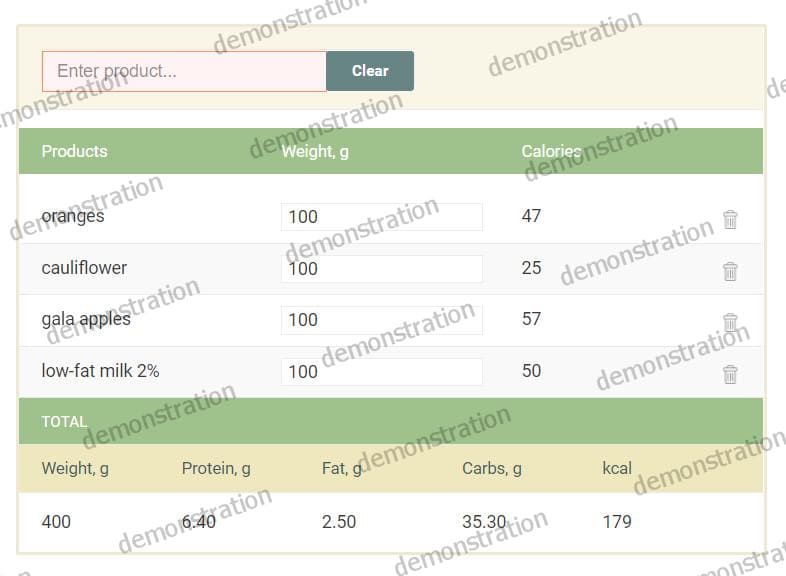
Use the weight converter to convert pounds to kilograms, ounces to grams and other metric to imperial weight conversions. Enter the weight in one of the text boxes and press the Convert button:
You can use the Calorie Calculator:
Screenshot
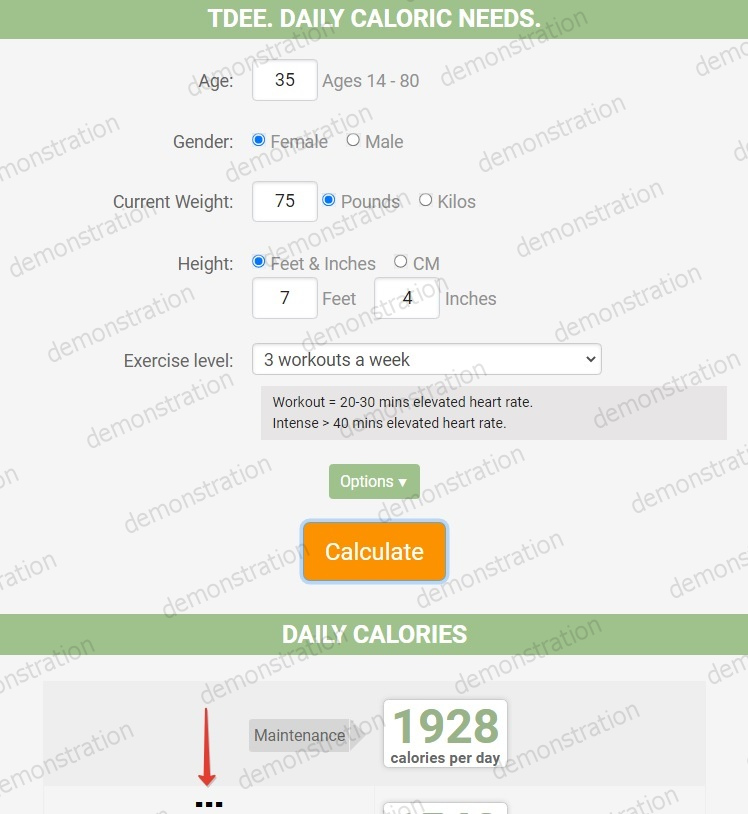
The Calorie Calculator for Weight Loss can help you determine how many calories you need to consume each day.